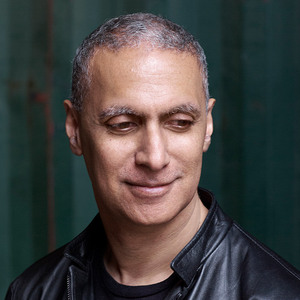
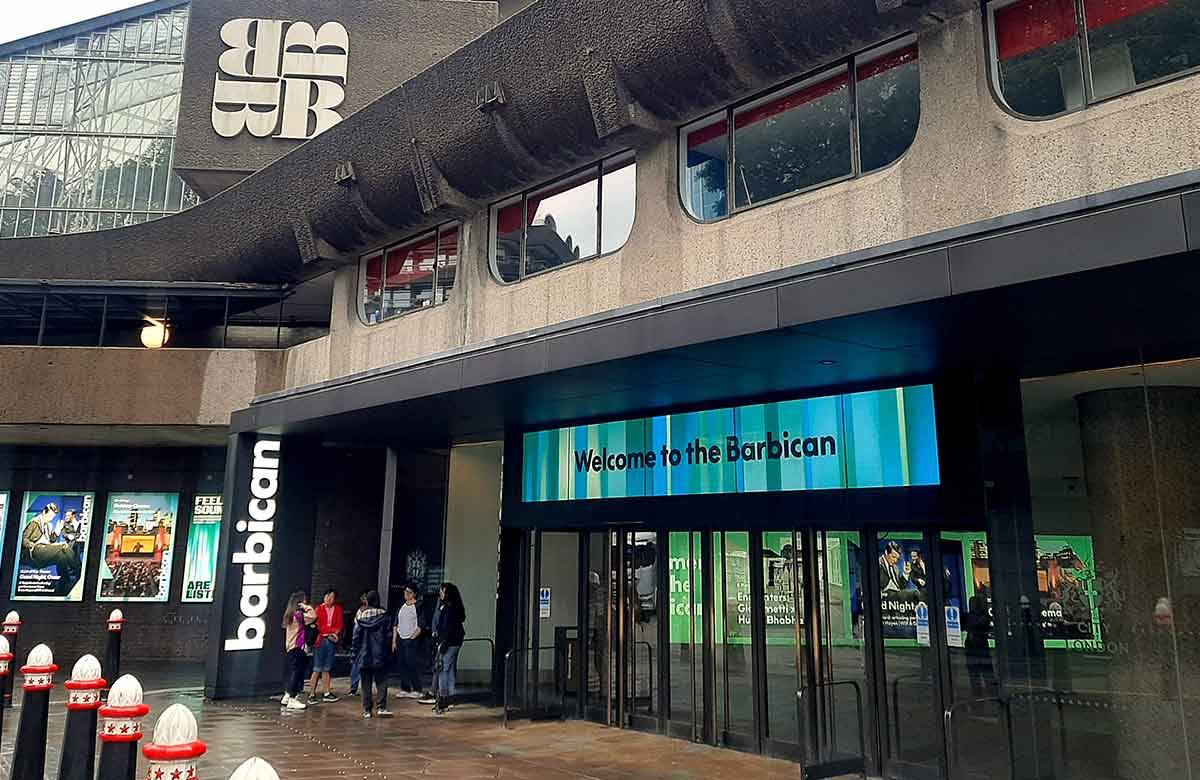
For many years, the Barbican has been one of my artistic homes. I’ve collaborated there with the London Symphony Orchestra on multiple projects including A Throw of Dice, Yogoto No Yume and The Lodger, and had the rare privilege of conducting the LSO there myself. I composed the music for Complicité’s Olivier-winning A Disappearing Number, presented my post-Brexit oratorio Brexit: A Rational Anthem for a National Tantrum there with the National Youth Orchestra and London Contemporary Voices, in collaboration with Sky Arts, and played there only last year with the James Taylor Quartet and orchestra.
It is precisely because I care deeply about the Barbican and the entire UK arts ecosystem that recent events trouble me. The departure of Devyani Saltzman as its director for arts and participation raises uncomfortable questions about whether hard-won diversity, equity, and inclusion gains are being subtly undermined to appease broader conservative tendencies. It is so important that arts institutions transparently safeguard DEI progress against these pressures, or they risk alienating the diverse voices that fuel cultural innovation and challenge authoritarianism.
Consider the context of Saltzman’s exit. Announced in February 2026, it was aligned with a period of “organisational transition” ahead of the £231m Barbican Renewal project, and her role will not be replaced. She departs in May, only two years into her tenure and shortly after launching a visionary five-year artistic plan centred on multidisciplinary international artistic practices. Hiring such an inspiring, accomplished voice in the international arts scene was no ‘token’ DEI gesture; I know her creative, curatorial and programming history well from working with her at the Luminato festival in Toronto and, as a leader with South Asian and Jewish heritage named among the UK’s leading cultural game changers in 2025, she is a driving force for change.
Continues...
The Barbican’s statement following the announcement points to the renewal of its artistic vision, but its refusal to comment further on “individual staffing matters” prompted an open letter from more than 170 figures – Salman Rushdie, John Akomfrah, Jasleen Kaur and Isaac Julien among them – calling for transparency. The letter argues that ousting such a prominent diverse leader “sends a troubling message to racially minoritised artists”, particularly in the light of the Barbican’s recent history.
The past the letter eludes to includes the 2021 racism scandal exposed in Barbican Stories (a compilation of more than 100 anonymous accounts detailing discrimination, from racist language to profiling and promotion barriers for people of colour) and the subsequent independent review, which became the backdrop for the departure of its managing director of 14 years, Nicholas Kenyon. His exit was pre-planned, but the timing invited speculation that the controversy hastened it. The Barbican denied connections, yet the optics linger, like today. From my vantage as an artist of colour who has faced industry biases, these echoes foster distrust. Inequity isn’t random – it’s embedded in history.
Digging further into the UK arts landscape reveals a worrying trend. Funding cuts and political narratives are eroding DEI. The Creative Industries Policy and Evidence Centre’s 2025 data highlights disparities: Black and Asian attendance at live music events lags at 23% and 19% of their respective groups versus 42% for white audiences. The government’s 2025 curriculum reforms scrap the EBacc to bolster creatives, but doubts persist on resourcing amid teacher shortages. Reform UK is advocating for ditching DEI in public bodies, pressuring venues to prioritise survival over equity. A 2025 poll by Arts Professional found 80% of cultural workers exhausted, with 60% from working-class or global-majority backgrounds reporting obstacles. This feels like backsliding masked as necessity.
Barbican’s track record of daring collaborations proves the power of inclusivity
The US offers a cautionary parallel. The Kennedy Center’s 2025 revamp under Trump appointees, with Richard Grenell as interim director, gutted DEI efforts, axeing the Social Impact team and cancelling events including a Gay Men’s Chorus performance and the musical Finn, with Grenell claiming he had "cut the DEI bullshit”.
This meddling cost the venue millions in revenue and sparked walkouts. As ’anti-woke’ sentiment influences UK companies, evident in big corporations such as BT and GSK reportedly scaling back DEI efforts, our arts could also succumb, favouring conformity over dissent.
This erosion matters because artists need safe spaces to provoke and interrogate power. DEI is the framework enabling creatives from marginalised backgrounds to thrive without reprisal. Apparent rollbacks, driven by budgets or politics, breed wariness, rooted in lived bias. I’ve encountered it: the “diversity token” whispers, the hurdles for non-white talents.
Still, there’s always hope. The Barbican’s track record of daring collaborations proves the power of inclusivity. Venues must openly recommit to DEI, ditching vague jargon. Funders such as Arts Council England should demand oversight. Artists must persist in our dissent – it’s our essence. Protecting these arenas ensures culture drives progress, not retreat.
Invest in The Stage today with a subscription starting at just £7.99