


Touring is in a critical state – it’s time for a reset
 Lyn Gardner


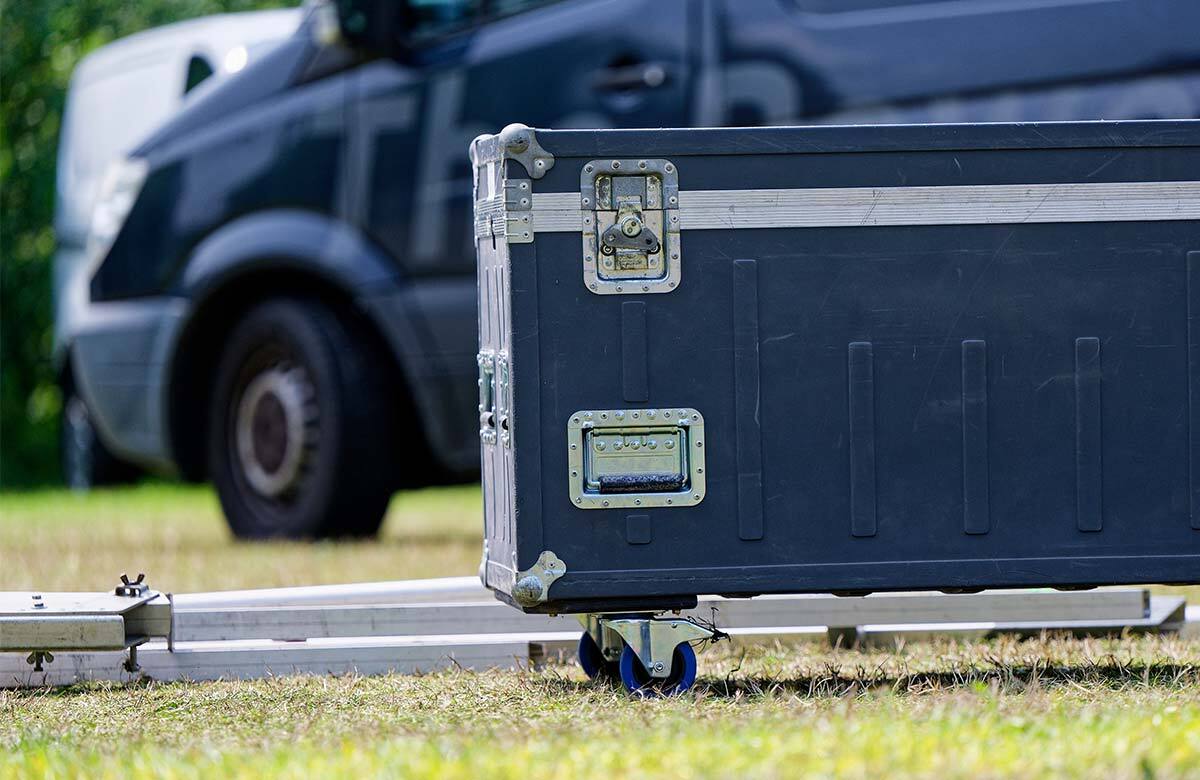
We in the sector are a cheerful and, I reckon, touchingly optimistic bunch, even though there are quite a lot of things broken in theatre (including often-decaying theatre buildings themselves). But the one thing almost nobody I talk to is positive about is the miserable, urgent state of touring.
The exceptions, perhaps, are those commercial producers touring big name musicals who are often doing well because demand is high. They make money even though costs – particularly accommodation and costs to move around the country – have soared in the past few years.
But there are no villains here. It’s worth remembering that the dominance of big musicals in big cities may be a symptom of the decline in a diverse touring ecology, but they are not the problem itself, and who can complain about shows bringing bucketloads of joy to audiences living far from the West End who would never otherwise get a chance to go to see them.
Continues...
Related to this article
But audiences should get a chance to see so much more. Some can live by musicals alone, but not everyone, and without a proper joined-up touring network, significant parts of the country never get to watch plays unless they are prepared to travel long distances, which rather goes against Jennie Lee’s vision of “the best for most”. Touring is an important way of widening access; it has always been part of levelling up.
But, as last week’s report by the Audience Agency on behalf of the Arts Council demonstrates, apart from musicals, the outlook for other parts of the touring sector is bleak and getting bleaker, with the number of plays touring England falling 64% since 2019. ACE warned that intervention was needed to prevent the drop hitting a "critical level".
I reckon the patient has long been critical and on life support. In 2024, theatres with fewer than 500 seats programmed only 13% of the number of plays they had staged in 2019, and the equivalent figure was less than a third (32%) for venues with more than 2,000 seats.
But I don’t think we can entirely lay the blame for this at the door of Covid and subsequent economic shocks that are hitting all of us, theatre included. Back in 2022, as theatres reopened, Emma Rice observed that: “It feels like touring theatre was held together by spit, love and madness.” She added: "Then the pandemic snipped it and there’s not much to glue back together.”
But Covid only magnified a slide that had been happening for decades in what has often seemed a managed decline policy by ACE, because the problem is just too big, too complex and too structurally difficult to tackle. Interestingly, from the 1980s onwards, touring companies have often been far more likely to be cut than building-based theatres.
The view that that new writing is impossible to sell, becomes a self-fulfilling prophecy
Many now look back fondly on the 1990s, when companies such as Cheek by Jowl, Frantic Assembly, Forced Entertainment, Shared Experience, Complicité and Paines Plough could cross the country and when individual artists could make a living from touring. Not least because for cash-strapped theatres in the 1980s, buying in a touring show was cheaper than making their own.
That is not possible now. Touring fees have remained static for years even as costs have risen, guarantees have become lower or non-existent, and the days when a company could get week-long runs at venues and build an audience have long gone. It is the companies who now bear all the risk. It is no surprise that the productions dry up when nobody will pay properly for a play and venues can just programme a comedian whose social media presence will ensure a sell-out without any effort on their part.
The view that has become entrenched in theatres, that new writing is impossible to sell, becomes a self-fulfilling prophecy: if you never programme it and so people never get to see it, you can’t build an audience for it. I am not convinced that audiences really care whether what they are coming to see is called new writing or not, but what they do care about is having a brilliant night out. They won’t know plays offer that experience if they never or seldom get the chance to try them.
In response to the report, ACE is promising no new money (it can’t unless the government coughs up) but a new Touring Service to be rolled out in 2026-27, which will "strengthen our strategic oversight, align our investment and support touring to be as brilliant and resilient as it can be".
Let’s hope that this proves to be more than a sticking plaster and incentivises real change to support touring companies and bring about a reset with venues that encourages a vision of themselves as part of a wider ecology and not just silos looking after their own interests.


Opinion
Recommended for you




Advice
Recommended for you
Most Read
Across The Stage this weekYour subscription helps ensure our journalism can continue
Invest in The Stage today with a subscription starting at just £7.99

© Copyright The Stage Media Company Limited 2026


