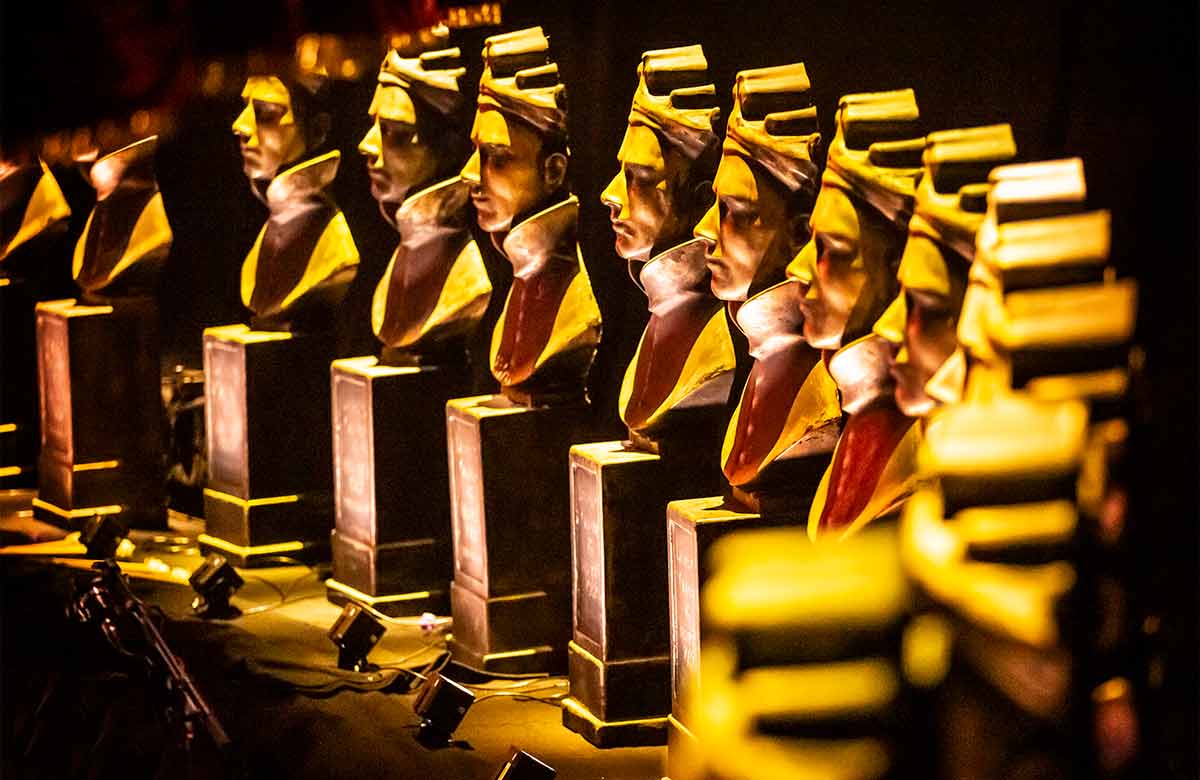
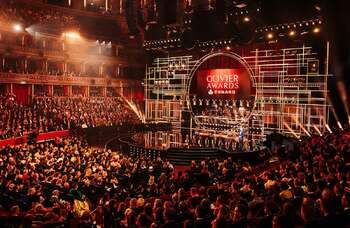
I am writing this on the day after the Olivier Awards marked their 50th anniversary with a tremendous show at the Royal Albert Hall. Theatre’s biggest night of the year is always a reason to celebrate, but this one was particularly special. This was partly due to the milestone birthday, of course, but also because everyone was aware that the Oliviers were back on BBC prime time for the the first time in more than 20 years. It felt significant – not least because many of us were left wondering how the BBC would edit certain moments, such as Ian McKellen grappling with the font on his autocue or slightly more risqué references to Trump.
In previous years, particularly when it was broadcast on ITV, the show has been relegated to a late-night slot – with a ’highlights’ package that did no justice to the importance not just of the awards, but of theatre itself. It’s a sector that represents billions to the UK economy, but it has often felt the industry is overlooked by broadcasters and is having to continuously prove its value. Broadcasters’ attitudes matter when it comes to conveying this importance to the general public. A graveyard shift in the schedules doesn’t scream:’This is an industry you should care about.’ But a prime-time slot on the BBC does – and its significance shouldn’t be underestimated.
Continues...
This year’s coverage was in a 7pm slot on BBC Two. The start time was more representative of other similar coverage, such as the BAFTAs, which often enjoy high-profile outings. The difference is the BAFTA film and TV awards are shown on BBC One – no doubt a channel for which organisers of the Olivier Awards would have been angling. But BBC Two is not to be sniffed at. And if the BBC and the Society of London Theatre were mutually happy with this year’s outcome (and why wouldn’t they be? It looked great), then who’s to say BBC One won’t be on the cards down the line?
It was a genuine thrill to be in the room for this year’s ceremony, where there were a few surprises. I don’t know that anyone saw Kenrex coming away as successfully as it did against such big hitters, but fabulous that its star Jack Holden could stand on that stage, clutching his award for best actor as he prepares to take the show to New York. What a feat to walk away with that gong in the face of competition of household names such as Tom Hiddleston and Bryan Cranston. And what a moment for Sheffield Theatres, where that play originated. As Holden told us himself: "It’s amazing when big names come back to theatre and pull in audiences in their droves. But outside of those times, outside of the people on the billing sheet, there are thousands of us doing it every day for the love of it. I think it’s really important to acknowledge them."
In fact, his win chimed nicely with much of the mood in the room this year – that of supporting local theatre and the venues regionally where many of those nominated would have cut their teeth. SOLT president Kash Bennett summed it up nicely in her opening address, when she urged those in the room to support venues outside of London.
"Don’t just honour our brilliant regional theatres and their wonderful audiences with words. Back them with action. Stand with them. We must keep them alive in our presence, our work, our care. Give back to the stages that first held you, the roads where it began. Make work there and take work there, because the future of this industry doesn’t start in London, it starts everywhere else."
It was well said, and set the tone for a night that celebrated a broad array of talent and the power of theatre to entertain, enlighten and change people. Here’s to those who make it happen – and here’s to the next 50 years of the Olivier Awards.
Invest in The Stage today with a subscription starting at just £7.99