


Theatre can provide the feeling of connection for everyone
 Stephanie Street


Cambridge Dictionary recently declared its word of the year is ‘parasocial’ – describing the one-way connection one might feel with a celebrity, fictional character or influencer. I was almost instantly reminded of a line from Hamlet: “What’s Hecuba to him, or he to Hecuba / That he should weep for her”.
Parasocial has extra ballast as a 2025 concept, given that it, in part, describes a depth of connection to chatbots, AI characters and online personalities. But, since long before, it has been the impact that we in the theatre engender in our audiences. We hope that audiences will feel profoundly for the characters on stage; characters from whom the audience is distanced and about whom the audience likely knew nothing of before the passage of the play’s events.
Continues...
Related to this article

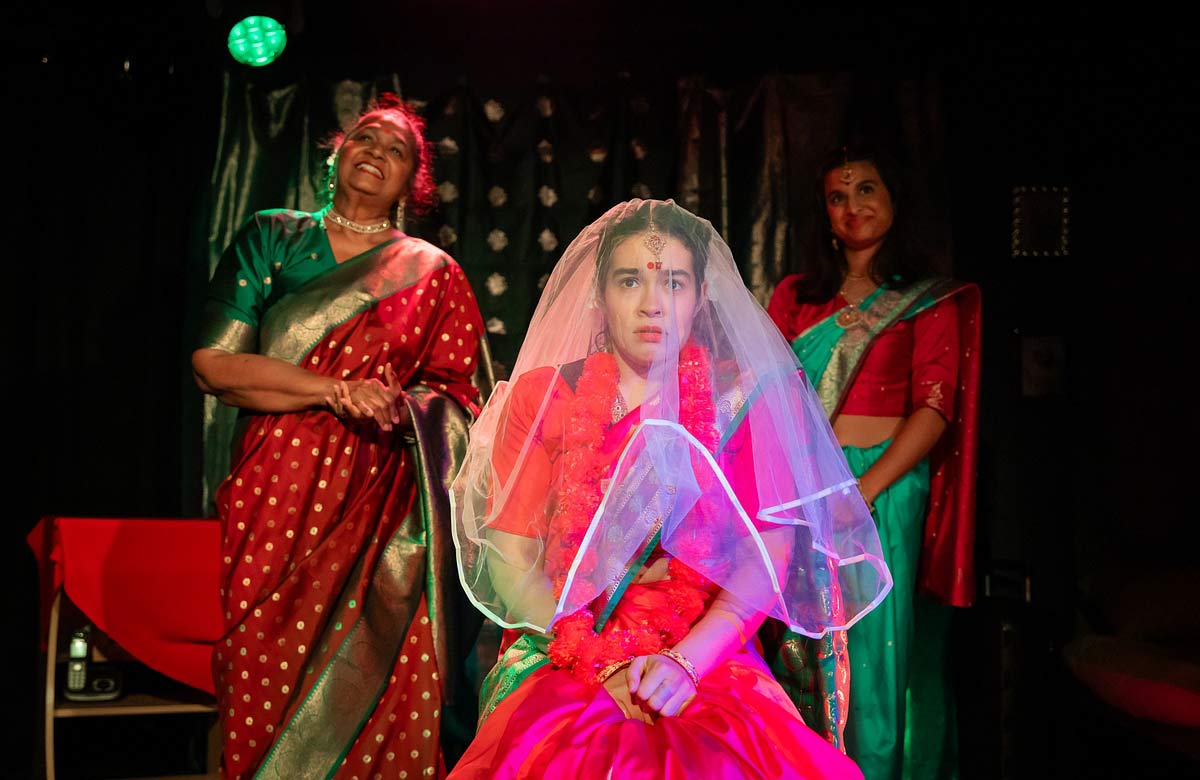
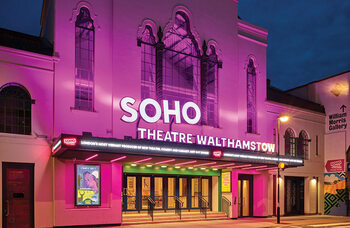
Last week, I witnessed just this at Kali Theatre’s Period Parrrty at Soho Theatre, which tells the story of a young teenager navigating their non-binary identity under a colossal weight of cultural expectations from family and their political and cultural heritage. People around me in the audience laughed and wept for the central character, Krish, their best friend and their mother – the audience was parasocially invested in the three, fictional characters.
What made the experience even richer was how those characters looked and sounded. They were all of the British Sri Lankan Tamil diaspora and spoke in a mash-up of Tamil and street Estuary English. The teenagers sounded like kids I’d see in my neighbourhood; the mother spoke like the aunties with whom I grew up in Singapore. I’ve never seen a character like Krish’s mother on a British stage and I am convinced that, even without my lived experience with people like her, many people in the audience were moved to tears by her journey.
‘Diversity of stories and people in stories undoubtably strengthens the bonds of connection’
We are hardwired to exist in relationship and kinship – that’s the human condition. Theatre as an art form puts that condition into action. We don’t need to look and sound like others to feel connected to them, but a diversity of stories and people in stories undoubtedly strengthens the bonds of connection. Krish’s story was, in many ways, a classic coming-of-age tale, but for the many Tamil and other South Asian people in the audience with me, seeing those three people on stage meant that they themselves were seen and recognised.
As we move into the possibilities afforded by the re-centring of the arts in the national curriculum, we have to remember this. That it means we are making art – and, in our case, developing a love of theatre – in young people as a passion and pursuit for everyone. As Philip Jones, editor of The Stage’s sister publication, The Bookseller, recently said about the publishing industry: “Freedom of expression is a privilege that has been afforded to some people over other people.” This is just as pertinent for our industry and we have to centre the right for that freedom of expression and connection (parasocial or otherwise) within art for everyone.


Opinion
Recommended for you


Advice
Recommended for you
Most Read
Across The Stage this weekYour subscription helps ensure our journalism can continue
Invest in The Stage today with a subscription starting at just £7.99

© Copyright The Stage Media Company Limited 2026


