


Is the latest culture funding announcement a case of emperor's new clothes?
 Amanda Parker


It’s ironic – or possibly appropriate, given current global events – to quote an American Republican politician, but US strategist Arthur J Finkelstein’s statement in 2011 seems perfectly suited to the current zeitgeist. “In politics, it’s what you perceive to be true that’s true, not truth.”
Psychologists have a term for what we’re doing when we accept political statements without question. It’s called processing fluency: the more a phrase is repeated, the more the brain believes it, and the more we repeat it.
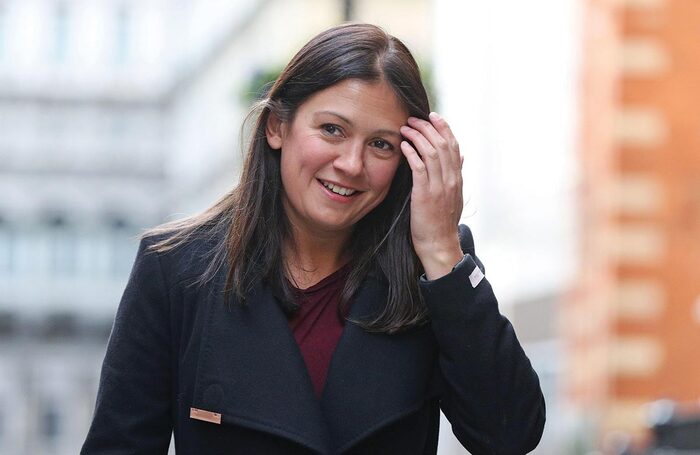
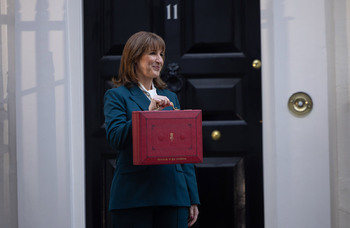
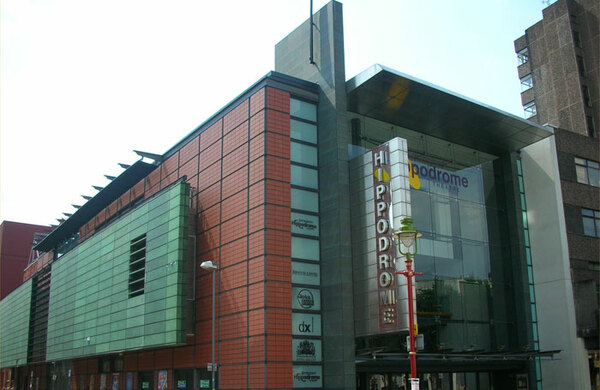
So it is with the recent news about arts funding: theatre is experiencing ‘processing fluency’. The government’s recent good-news announcement about culture has been widely reported as a “bumper £1.5 billion package to restore national pride”. Theatre leaders – including those at Birmingham Hippodrome, Theatres Trust, UK Theatre and the National Theatre – have lined up to endorse Lisa Nandy’s recent drum-roll news, and are particularly positive about the £80 million capital fund uplift included in the ‘bumper package’.
But look closer and you might feel that it’s been a fanfare about not very much. Some of the £1.5 billion funding had already been announced – we celebrated the creation of the £270 million Arts Everywhere fund last year; the bulk of the remainder is earmarked for libraries (£27.5 million), museums, historic buildings and places of worship (£760 million).
What, in this figure, comprises ‘new funding’ for theatre? If you’re lucky enough to be in the Arts Council England national portfolio, you’ll be grateful for the 5% uplift to portfolio funding – but once inflation is factored in, this uplift, although welcome, only brings investment in culture close to parity with the rise in the cost of living (and the cost of producing theatre). If you’re an NPO that owns your theatre space, you may be excited about securing some of the £80m available for capital funding. If you’re not in the portfolio, if you’re not based in a place of worship, or a heritage building, the champagne you popped open last year to celebrate the Arts Everywhere fund has long gone flat.
Continues...
Related to this article
How we respond to the rhetoric around ‘new funding’ matters. The more we experience processing fluency – accepting something is true because we hear it a lot – the less likely we are to be proactive in ensuring theatre is truly hardwired into government strategy.
A similar positive rhetoric is being deployed around the potential effect of devolution on arts funding. But beware processing fluency! The English Devolution and Community Empowerment Bill doesn’t specify future investment in culture. I’ve written before that I suspect government’s response to straitened finances will be a closer concentration of arts funding to ACE NPOs. And Ian Murray MP’s hyping of what devolution might promise to arts funding does little to reassure theatremakers who believe culture is being left to fend for itself in the race to build local-centric investment.
How do we avoid the feeling of being hoodwinked by political rhetoric into believing that blue skies are around the corner?
Culture is not hardwired into local government funding priorities, and – as arts leaders have pointed out – the continued rise of the Reform party across the UK doesn’t offer any promise to culture at all. Reform has said very little about the arts, other than calling for tighter government management of the BBC.
And for touring theatre companies, too little has been said about how touring will thrive if funding is increasingly encouraged to be local-first.
How do we avoid the feeling of being hoodwinked by political rhetoric into believing that blue skies are around the corner? By proactively inserting theatre, and not just culture, into the political narrative. And by inserting theatre not just in the narrative, but in the policy formation. An opportunity awaits: government is currently seeking feedback on its proposals for a tourism tax. The idea is not popular in the hospitality sector, which has already been hammered by rising employment costs and falling revenues. However, a tourism tax could bring long-term benefits to both hospitality and culture – but only if we write ourselves into the reality.
The ‘bumper package’ announcement demonstrates how easy it is for theatre to perceive its inclusion in arts policy decisions – but the reality shows how limited the benefits are to most grassroots theatremakers.
Just as we’re seeing an assumption that culture will benefit from devolution, there’s an assumption that culture is a given beneficiary in any proposed tourism levy. But repeated statements from government that ‘culture is important to tourism’ is not the same as guaranteeing an additional top-up to theatre funding.
A tourism tax could truly be a source of ‘new funding’ for culture. But, for this to happen, theatremakers need to respond to the consultation and make the case not only for the tax itself, but for theatre to directly and additionally benefit from the dividends.



Opinion
Recommended for you





Advice
Recommended for you
Most Read
Across The Stage this weekYour subscription helps ensure our journalism can continue
Invest in The Stage today with a subscription starting at just £7.99

© Copyright The Stage Media Company Limited 2026


