


Pantos provide a glimpse into the near future of technical theatre
 Rob Halliday


If you’re going to measure anything, you need something to measure it with – a yardstick, if you will. As we head into the festive season, one realises that perhaps pantos provide the perfect yardstick for the progress of technical theatre.
Because, yes, the biggest, flashiest shows have always been able to afford the latest technology. But the latest tech hasn’t really arrived until it takes its place across a much wider range of venues. Panto gives every theatre a once-a-year opportunity to push the boat out with technology, hitting that perfect intersection of exciting enough, new enough, accessible enough and – just about – affordable enough.
Continues...
Related to this article


In the late 1990s, it was the moving light’s turn. Theatres had consoles capable of controlling them; they wanted the spectacle they could provide, and their budgets could stretch to at least a few. The crews didn’t have any experience running them, but they learned (or called for help). They got better. Now, it’s hard to imagine any show without them.
Those moving lights are often now LED-based and sometimes have the ability to follow tracking devices worn by the performers. Non-moving lights are also often LED. In fact, LEDs are everywhere, all over the set (sometimes wirelessly controlled), in all the portals, often with pixel-level control. The rig is now several thousand channels instead of a hundred or so, with new techniques – pixel mappers, media servers – used to control them, though still all programmed by a (probably slightly frazzled-looking) human being.
‘What’s remarkable is that this is made to happen by people who just want to give this stuff a go, combining it with the panto skills of ingenuity and improvisation’
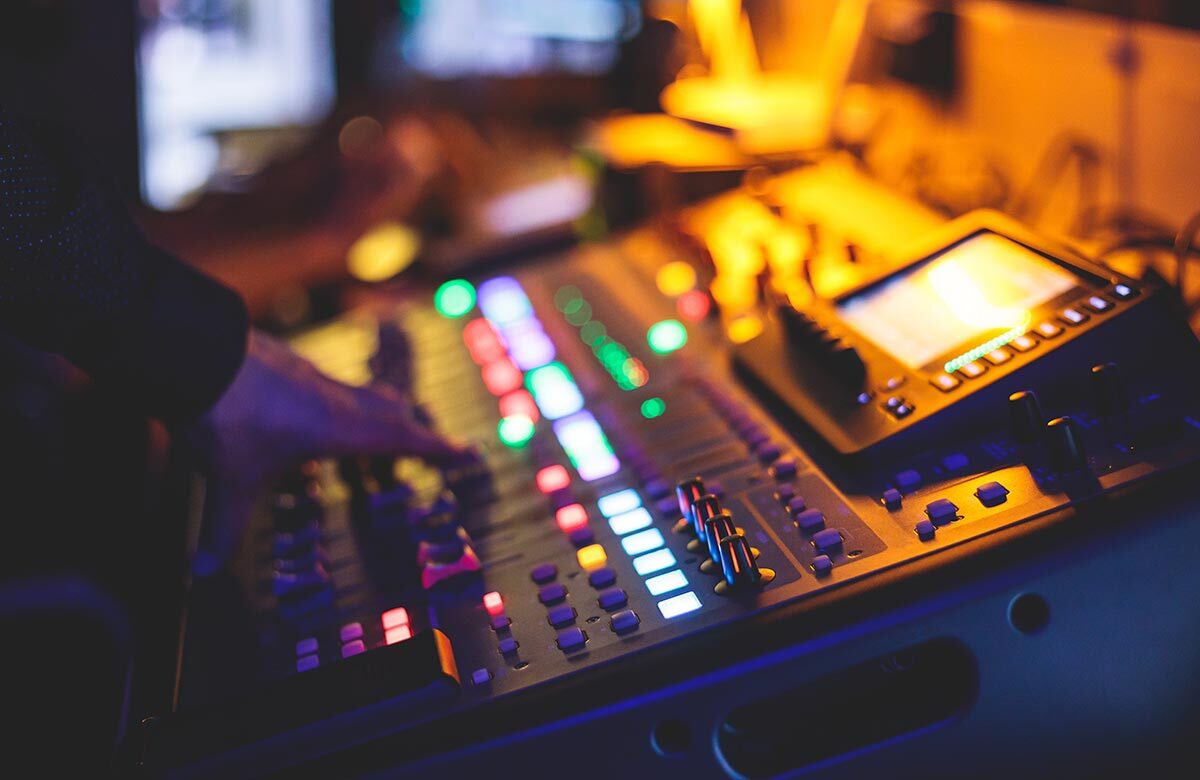
There will be video projection, of course – it already feels as though that’s everywhere – with the new role of making the content for it falling to someone. Radio mics, too, but probably, now more than ever, routed through digital mixing desks, with easy effects playback from software such as QLab, often triggering lighting via timecode or MIDI to allow precise syncing of sometimes hundreds of cues with sound effects. And an array of effects – sparkles, smoke geysers, new ways of achieving low smoke – as well as the traditional pyro.
What’s remarkable is that this is made to happen by people who just want to give this stuff a go, combining it with the panto skills of ingenuity and improvisation, and that most critical human being, the deputy stage manager, calling the remaining non-MIDI cues and holding the whole thing together – and all in demanding circumstances. Big new shows have weeks of tech rehearsals; panto has a week (if you’re lucky) for a show that includes the kind of unpredictability in performer-audience interaction that really makes live theatre live.
So, do reflect for a moment on how far we’ve all come. The new thing for this year? I’m not sure yet, but see what you can spot. And do also remember that what the kids really want to see is someone get a custard pie in the face – a theatrical tradition left untouched by technological progress.


Opinion
Recommended for you






Advice
Recommended for you
Most Read
Across The Stage this weekYour subscription helps ensure our journalism can continue
Invest in The Stage today with a subscription starting at just £7.99

© Copyright The Stage Media Company Limited 2026


