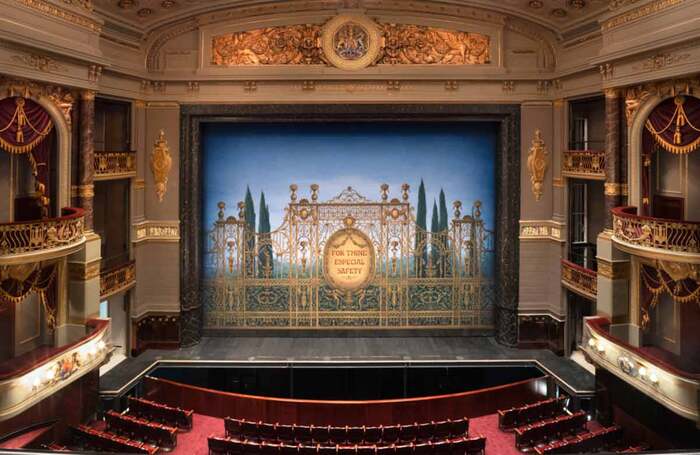
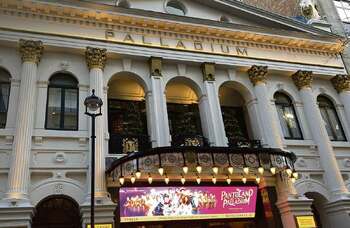
Visiting the gloriously refurbished Theatre Royal Drury Lane last week, my mind wandered in two unexpected directions: Croydon and outer space.
Croydon is perhaps the less surprising of the pair. Last week, we ran an in-depth article looking at the utter fiasco that Croydon Council has made of its refurbishment of the Fairfield Halls arts centre. The project’s estimated cost has ballooned to £70 million and it is still unfinished and not fully reopened.
Some visitors to the site complain that they can’t really tell the difference. Where, they ask not unreasonably, have the millions been spent?
No one visiting ‘the Lane’ – a project that, despite the pandemic, has come in broadly on time and on budget at about £60 million, £10 million less than Fairfield Halls – is in danger of harbouring similar concerns. The work, overseen by Andrew and Madeleine Lloyd Webber and departing chief executive Rebecca Kane Burton, and designed by architect Steve Tompkins, is both exquisite and transformative.
The good burghers of Croydon could do worse than visit to see how one lovingly refurbishes a heritage asset: retaining its best features, while making genuine improvements that will be enjoyed by future generations. The Lane has shed a couple of hundred seats, but what it loses in capacity, it more than makes up for in intimacy. And, unlike in Croydon, the seats are new and beautifully upholstered.
There are significant positive changes to the front-of-house areas, which now become open to the public during the daytime
Lloyd Webber has spoken of his desire to bring Shakespeare back to the theatre after Disney’s Frozen ends its run. This would have seemed laughable before the refurb, when the Lane could sometimes feel like a bit of a barn. But the redevelopment has concertinaed the auditorium, pushing the fronts of the circles forward towards the stage. Now, a star-led season of Shakespeare feels like an exciting proposition. With the newly flexible auditorium, it could even be staged in-the-round.
As with the £50 million redevelopment of its Covent Garden neighbour the Royal Opera House, there are significant positive changes to the front-of-house areas, which now become open to the public during the daytime.
In addition to functional improvements such as proper disabled access and onsite catering, there are big cosmetic changes – notably the vast array of artwork that is now displayed throughout the theatre, much of it loaned from Lloyd Webber’s personal collection. At times, it feels as though you are in the National Gallery.
So, why was I minded of outer space? Well, in the same month that Jeff Bezos and Richard Branson jetted off beyond the stratosphere, it was refreshing to see one of the world’s super-rich spending their money on an old-fashioned, tangible public good.
The megamusical output of Cameron Mackintosh and Lloyd Webber may not be to everyone’s tastes. However, it is undeniable that, funded by the success of those shows, the fabric of the West End has been markedly improved by their tenure as caretakers of the beautiful heritage buildings they currently own.
Invest in The Stage today with a subscription starting at just £7.99