


Cynthia Erivo in Dracula at the Noël Coward Theatre – review round-up


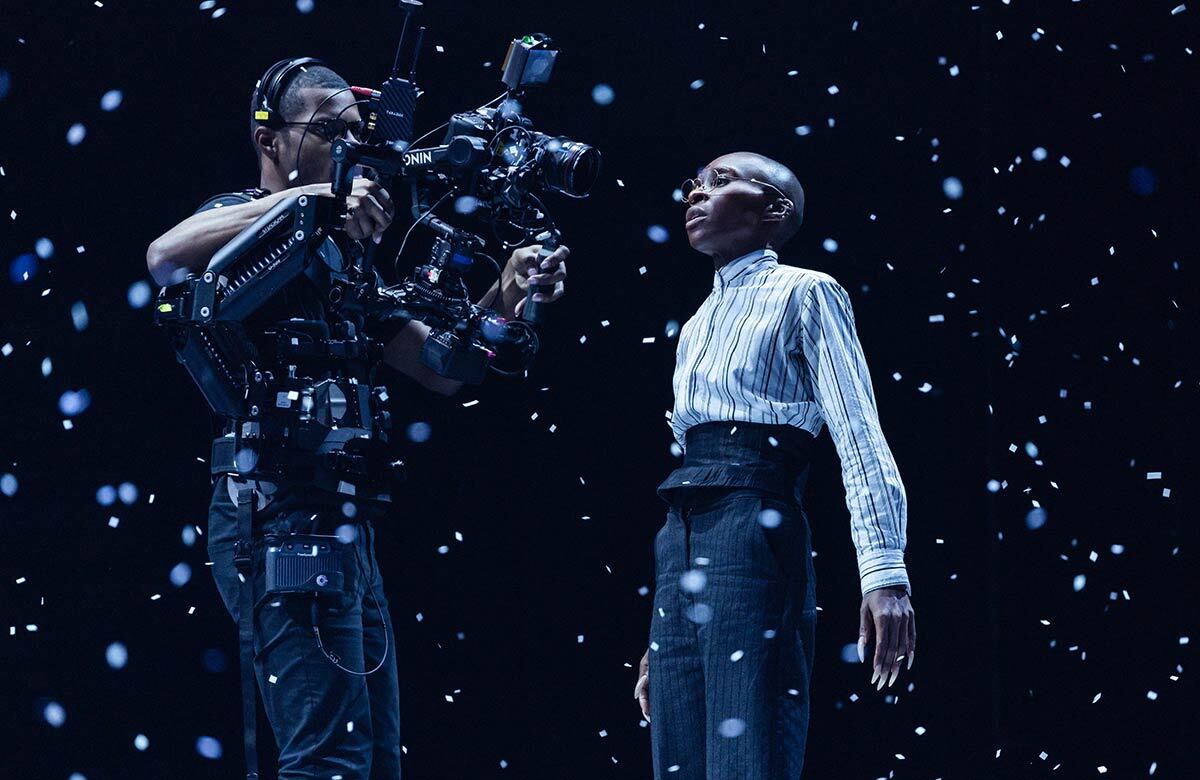
It’s undoubtedly one of the hottest tickets of 2026 – Cynthia Erivo, whose significant stage career has been eclipsed by the global fame that comes from starring in a juggernaut such as Wicked, returns to the theatre. She’s the sole performer in the latest in Australian director Kip Williams’ “cine-theatre” series: audaciously ambitious one-person shows, in which live filming and a plethora of effects transform a single actor into a multitude of characters. After Succession’s Sarah Snook wowed London audiences in The Picture of Dorian Gray, Erivo take on another canonical classic: Bram Stoker’s Dracula.
Williams’ adaptation was seen in Sydney in 2024, starring Zahra Newman; here, Erivo is obviously a huge draw, as she tackles no fewer than 23 different characters in Stoker’s vampire tale over a two-hour, interval-free run time. But there have been rumblings in previews, with cancelled shows and reports of her using a teleprompter to keep on top of lines.
So is this high-stakes return to the stage a triumph – or does it lack bite? Can Williams’ use of technology help us seek our teeth into the Dracula story, or is it all a bit bloodless? And how many other vampire puns can I, and the critics, get into our write-ups?
Continues...
Read More
Dracula – Erivo’s star turn
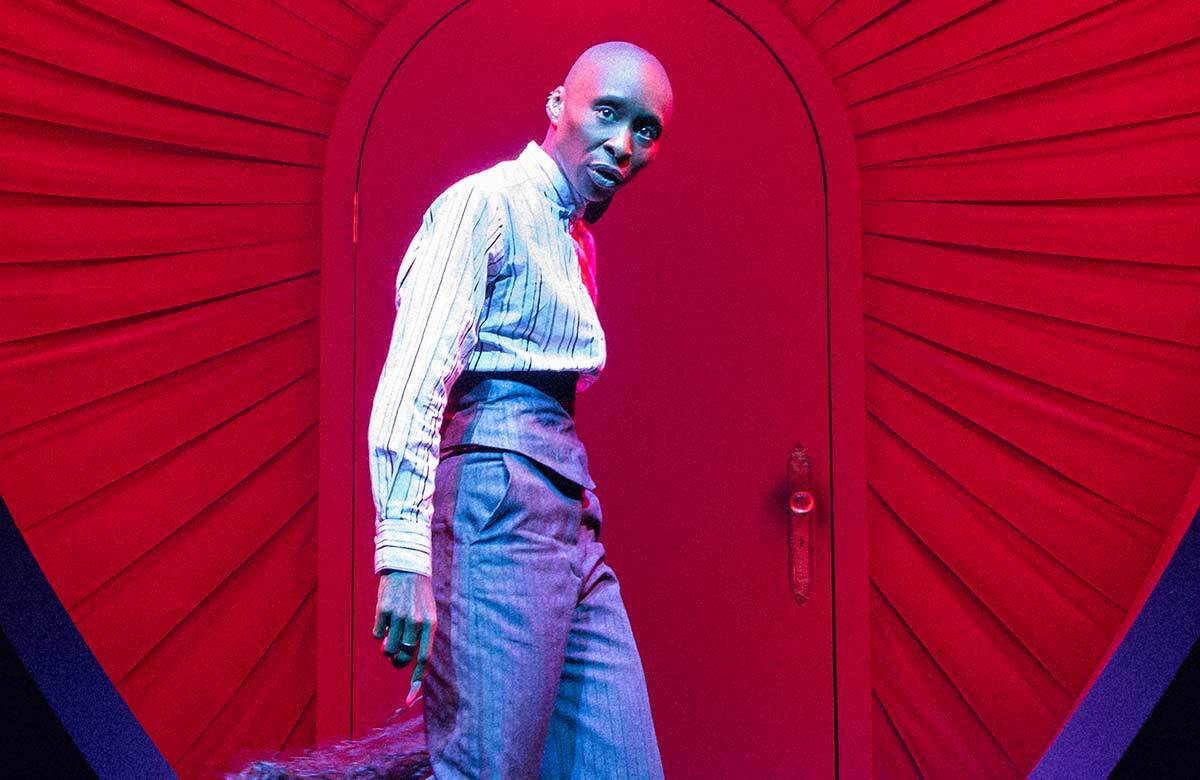
Everyone is excited for the return of Erivo to the London stage, where she cut her teeth as a performer. And, as Sam Marlowe writes, the combination of the Wicked star, the thrilling directorial approach of Williams, and the iconic vampire story is “such a toothsome prospect” that it leaves you wondering “what could possibly go wrong?” Sadly, for Marlowe (The Stage, ★★★), the answer is: “almost everything”, not least the central performance. “Erivo seems ill at ease with the material. There’s a hesitancy about her performance, as if she were wrong-footed by the technology that surrounds her."
Several critics also note how hectically Erivo charges through the script. For Fiona Mountford (i, ★★★), she “speaks at an unwaveringly fast pace for the 110-minute duration of the interval-free production. Goodness knows what this does to her, but for us spectators it is exhausting.”
Still, starring in a Williams show, everyone can agree, is a herculean challenge for an actor – and the reviews do brush aside those preview rumours to reassure that, technically, Erivo can carry this show. “Erivo fumbled a few lines, but otherwise gave a commanding display,” writes Clive Davis (Times, ★★★★), who reaches for a topical comparison: watching Erivo is “akin to seeing an ice skater going for gold in the Winter Olympics. Can she pull off one triple lutz after another without taking a tumble?”
Erivo deserves a medal according to Davis, and for a smattering of other critics: her performance is a “tour de force” for Dominic Cavendish (Telegraph, ★★★★) and “triumphantly walks a knife edge between virtuosity and absurdity” for Nick Curtis (Standard, ★★★★). For others, her performance is simply the saving-grace of a muddled show: “Whatever your opinion of the rest of the production, it’s impossible to fault her consummate commitment”, writes Sarah Crompton (WhatsonStage, ★★★) while for Patrick Marmion (Mail, ★★★) “two hours may even be insufficient in the company of Erivo… without question she generates a magnetic forcefield on stage.”
Continues...
Dracula – is it wicked?
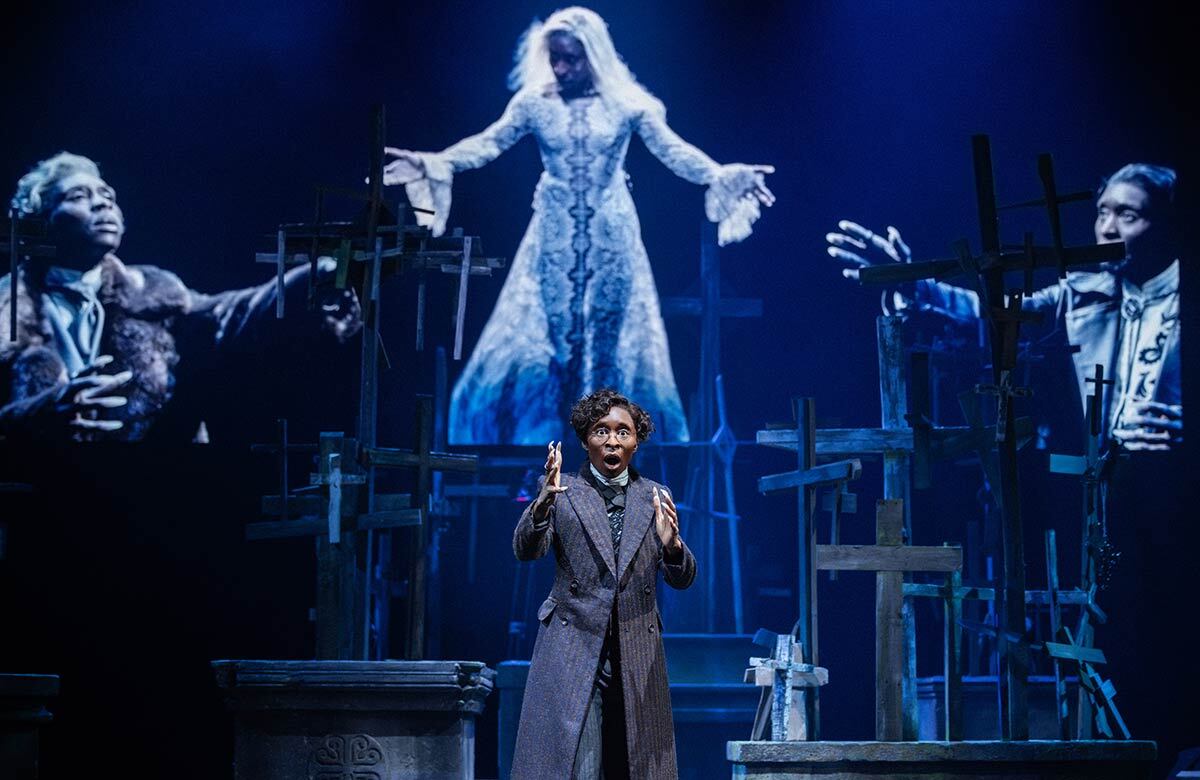
Stoker’s horror story is still a stage staple, almost 130 years after it was written – but is Williams’ adaptation suitably chilling? Does it have bite, are its fangs sharp enough? Is it wicked, or bloody brilliant? For most, it is not.
“Despite the speed, the atmosphere stays sedate, with none of the fever required, and no peril whatsoever,” scorns Arifa Akbar (Guardian, ★★). Olivia Rook (London Theatre, ★★★) also finds that the screens “inhibit any real sense of terror”, with close-ups on fangs not enough to “get the blood pumping, however well they’ve been framed”. Crompton also bemoans a lack of “jeopardy or really any true drama”, arguing that Erivo deserves “a Dracula with a bit of red meat rather than this bloodless, soul-sapping affair”.
Even the fans grant that it could be spookier. “Is it as frightening or shocking as might be hoped? Pounding heartbeats fill the air, but the atmosphere isn’t always pulse-quickening,” admits Cavendish. And a few critics even consider it accidentally comic, pointing to the Gandalf-like wigs (Akbar, Marlowe), one of the “increasingly ludicrous” get-ups Erivo must don (Crompton), which add a “weirdly goofy note to proceedings” for Andrzej Lukowski (Time Out, ★★★).
There are multiple complaints that the narrative becomes rushed and hard to follow in the final portion of the evening, too. There’s just “too much plot compressed into too little space” for Lukowski, while Mountford confesses that she “entirely lost track of who was speaking and where we were”. For Marlowe, the show is “slightly ramshackle, sluggish and, in the end, frustratingly short on dash and drama”.
Continues...
Dracula – “cine-theatre” glitch
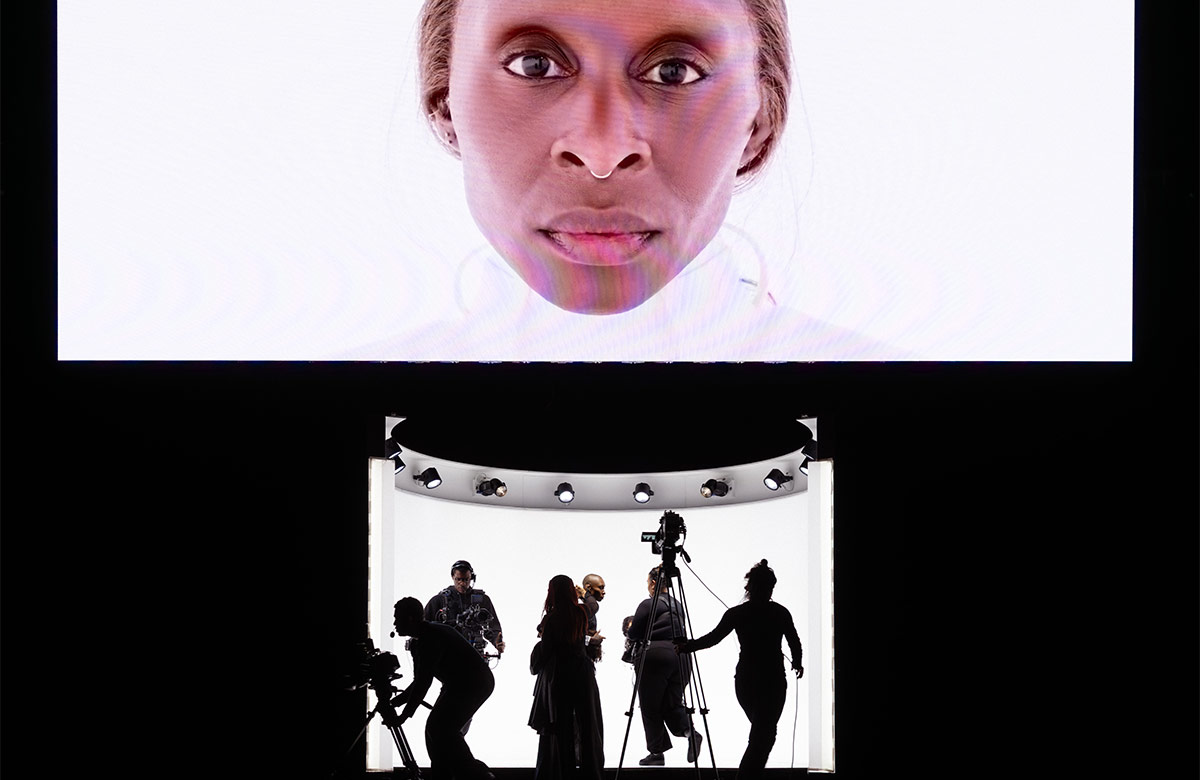
Williams’ previous tech-heavy shows have won him enormous admiration – and Davis praises the “hallucinatory” quality the director’s cine-theatre approach brings here, while Cavendish finds the “head-turning live-capture wizardry” to be “hip, radical… magic”. “The bleed between the ‘real’ on stage and the dream-like on screen has its own subconscious power”, he writes.
But the more common feeling is that the screens distract more than they illuminate on this occasion. “In Dorian Gray, Snook’s live performance always felt like the main event. In Dracula, Williams’ virtuoso use of film gets in the way,” declares Lukowski. Erivo is often interacting with pre-recorded versions of herself as other characters, a technique that a few people flag as unsatisfying. “Erivo is tiny and the screen is massive, and the pre-recorded stuff is so dominant – as many as four gigantic versions of her on screen – that it overshadows the technically impressive work happening on stage,” continues Lukwoski. Ultimately, it becomes “quite a lot like watching a weird pre-recorded film of Dracula”.
Crompton concurs: “If you are actually watching the progress on stage, you wonder why there’s all this messing around when you could be settling down in front of a perfectly good movie.” And she’s one of many who find the form and content don’t dovetail this time, either. While the tech “just about” worked for Dorian Gray, bringing out the narcissism and our present-day concerns about the manipulation of images, for Crompton it fails to illuminate Stoker’s exploration “of the uncanny, of the unexplained, of the other. Asking one person to play every role, however brilliantly, flattens rather than liberates its story.”
For Akbar, this is also a question of genre mismatch: the multimedia style is “ill-suited to the horror genre, distancing us from the dread”.
Dracula – the verdict
There’s a real spread from disappointed two stars (The Stage, Guardian, Independent) to enthused four stars (Times, Telegraph, Standard). Most people have reservations about squeezing Dracula into Williams’ film-heavy, one-woman format, but still relish the chance to see Erivo – and there’s a sense of goodwill for her return running through many of the responses. As Cavendish writes: “She’s climbing a mountain, really, and deserves cheering on. It’s feats of stamina like this that keep British theatre undead.”
Marmion agrees – observing that he finds himself “tipping my pointy hat to Erivo”. Out of admiration for her “athletic efforts”, yes, but also out of “a sense of kinship … after all, we theatre critics are not so far removed from her Count Dracula character: blood–sucking parasites who only come out at night”.

Most Read
Across The Stage this weekYour subscription helps ensure our journalism can continue
Invest in The Stage today with a subscription starting at just £7.99

© Copyright The Stage Media Company Limited 2026


