


Lack of royalties for directors a ‘travesty’ – new SDUK boss


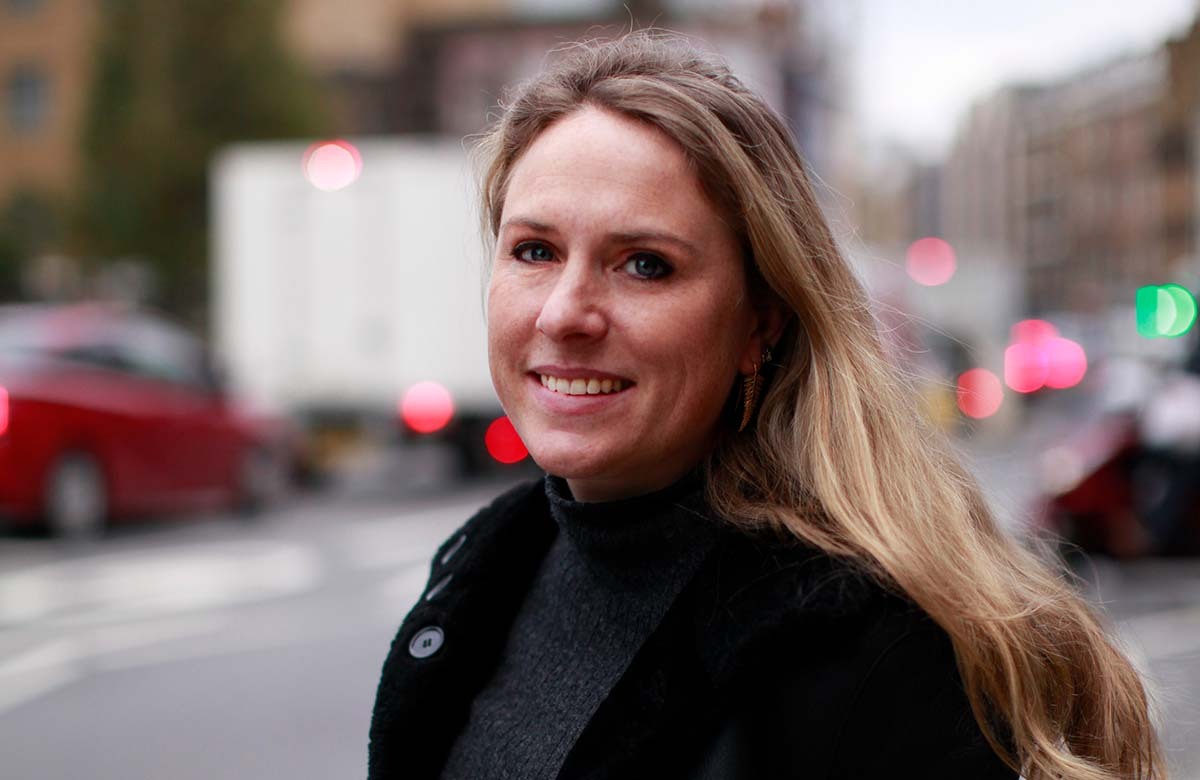
Theatre directors are being underpaid due to “outdated” contracts that don’t reflect the amount of work they do, the new general secretary of Stage Directors UK has argued.
Katie Langridge, who was appointed as the organisation transitions into a trade union, hit out in particular at a lack of royalties for directors whose work has a life beyond its original production.
"Directors aren’t paid [royalties] on the whole, and when they are, they’re often deferred," she said.
"With shows transferring into the West End, [and] often abroad, it’s a travesty that none of that is paid to the director."
Continues...
Read More

Langridge was speaking at the start of her tenure in an interview on the union’s quarterly podcast, A Sense of Direction.
Asked by theatre journalist Fergus Morgan what fundamental issues she was braced to tackle on behalf of directors, Langridge began with rates of pay.
“What’s currently in the UK Theatre and ITC and SOLT agreements is completely outdated and doesn’t represent anywhere near the amount of work that directors do at the minute,” she said. “Those need renegotiating.”
Langridge agreed that the matter would likely be confronted, and hopefully improved, by union negotiations with Society of London Theatre and UK Theatre. She said that while there was not yet a timeline for negotiations, they were expected later this year. SOLT and UK Theatre, who hold collective agreements with Equity regarding directors, declined to comment.
"It’s financially just not viable for directors to direct at the minute," Langridge continued.
"Very often they’re being paid below minimum wage. That has to change. While I understand that theatres are being paid less money at the minute – that the pie is getting smaller – I think there needs to be a proper discussion about the role of directors and acknowledgement of just how key they are in productions."
Langridge also contended that directors are often heavily involved in adapting intellectual property for stage with writers, and are not currently being adequately compensated for the work.
"Those adaptations wouldn’t [achieve] their theatrical potential without a director," she said. "Directors need to share in that IP.”
"I wholly believe that a playwright owns the text of a play – and there is a point in their contracts that says nothing can be changed without their permission – and as an ex-agent, I completely agree with that. But at the same time, I don’t think that directors’ involvement in [developing productions] is being recognised contractually."
Also on Langridge’s list of issues to tackle was what she called "mental health issues that aren’t being addressed in the industry".
“I think while the Arts Council has cut so much funding, theatres have cut their staff and they’ve cut a lot of support that was out there for directors,” she said. “That’s something I’ll be looking into as well.”
“I also think that there’s going to be an interesting time when AI comes into play and how [productions] are recorded and changed and [whether people are] able to use other people’s productions. We’ll see how that develops, but I do foresee a time where that becomes an issue as well."



Most Read
Across The Stage this weekYour subscription helps ensure our journalism can continue
Invest in The Stage today with a subscription starting at just £7.99

© Copyright The Stage Media Company Limited 2026


