


Genesis Foundation boss: Philanthropists should form long-term arts partnerships


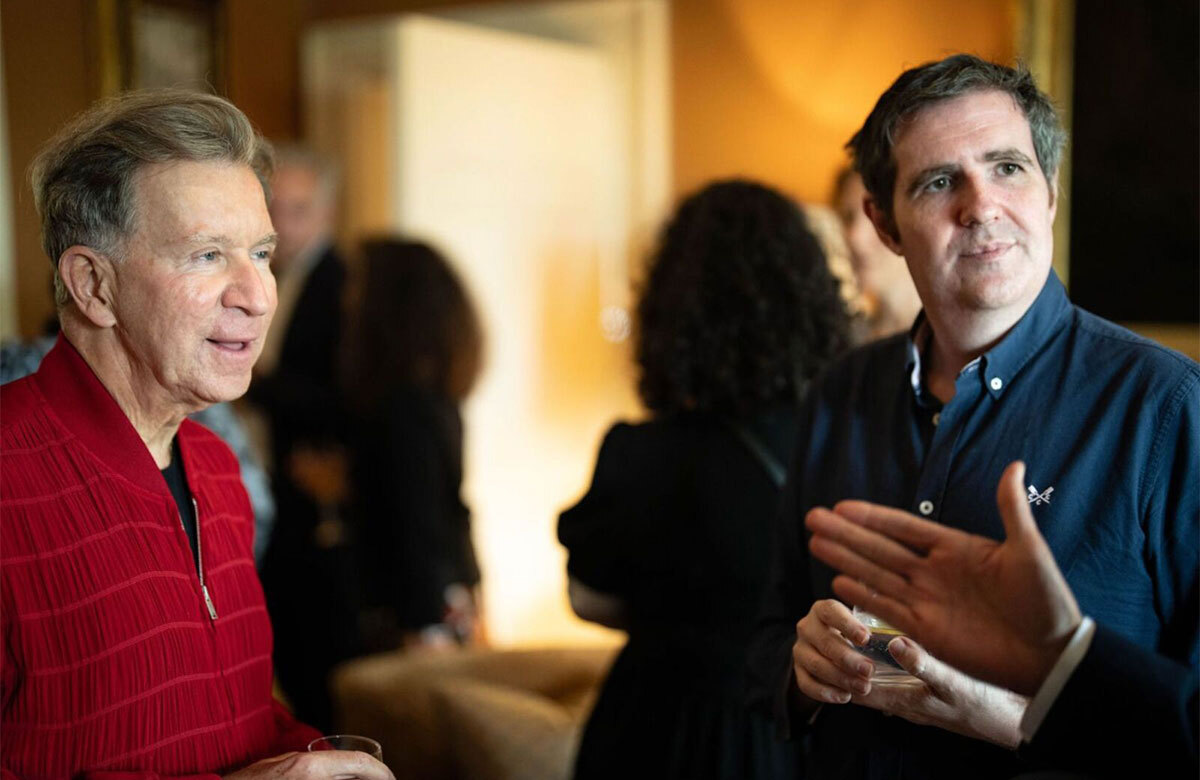
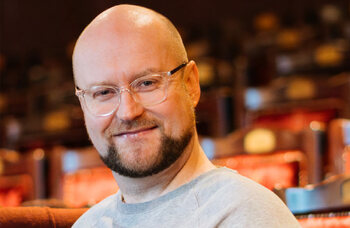
Philanthropist John Studzinski has called on others in his position to build long-term partnerships with arts organisations rather than giving them shorter-term cash injections.
Studzinski, the founder of the Genesis Foundation, was speaking at an event at London’s Royal Court to mark 25 years since the foundation was formed in 2001.
Since then it has partnered with theatre organisations including the National Theatre, the Almeida Theatre and the Royal Court to support the work of emerging artists. Its theatre-focused programmes have supported successful works including Ava Pickett’s 1536 and the NT’s The Witches.
Continues...
Read More

"I’m not interested in funding just a production," he said, adding: "I get so many requests from people who say: ‘I want $300,000 to put on this show, or this opera.’ We respect that, but we don’t do that.
"The arts want to create partnerships with people. They want to have a long-term sharing of relationships where it’s not just about transaction."
Referring to his recent book A Talent for Giving, Studzinski compared funding a specific project to "giving someone a fish", while creating sustainable annual programmes or a long-term partnership was comparable to "teaching someone to fish".
"If more people took the time to better engage in partnerships with the arts [...] it would make a big difference," he added.
Royal Court artistic director David Byrne, who spoke to The Stage alongside Studzinski and who spoke at the anniversary event at the London venue, agreed.
"Often you have corporate sponsors that come and go; there might be a bit of a connection for a while, or they’ve got quite a bit of money left over and they think maybe supporting something in the arts would be a good thing to do," Byrne remarked.
"But actually there are some foundations and individuals, John being one, who have fundamentally changed the landscape of culture in England, and particularly through the work of the Royal Court, internationally," he said.
He added: "I think there are a handful of supporters of the arts in the UK without whom the ecology would be so much poorer. I think Genesis are absolutely at the top of that list."
At the event, Studzinski claimed many in the government still only viewed the arts as "entertainment" and called for culture to be recognised as a vital form of soft power.
Studzinski suggested it was to some extent the industry’s responsibility to highlight that businesses such as theatre, music and visual arts are areas where investment could make a long-term societal impact.
"I think many people in government still see the arts as entertainment," he told The Stage.
"They are entertainment, but they are what I call educational and cultural memory. You’re creating a cultural memory for years to come. That’s really important.
"One of the most powerful forms of soft diplomacy in this country is the theatre and the acting world.
"British artists and the creative industries punch so well above their weight in terms of the size of this country, [this] economy, and have a much bigger footprint in the world. That should be seen as a strategic industry that should continue to be invested in."
Studzinski added: "I think it’s incumbent on the arts and culture to be a little more strategic and tactical about this, because the arts have changed.
"There are still people who want to have their name associated with an opening evening, or funding a production. But in terms of impact philanthropy, there’s a lot in the arts, but it has to be carefully presented."

Most Read
Across The Stage this weekYour subscription helps ensure our journalism can continue
Invest in The Stage today with a subscription starting at just £7.99

© Copyright The Stage Media Company Limited 2026


