


David Burke
Stalwart actor for the National Theatre who also found fame as Dr Watson in the TV adaptation of Sherlock Holmes


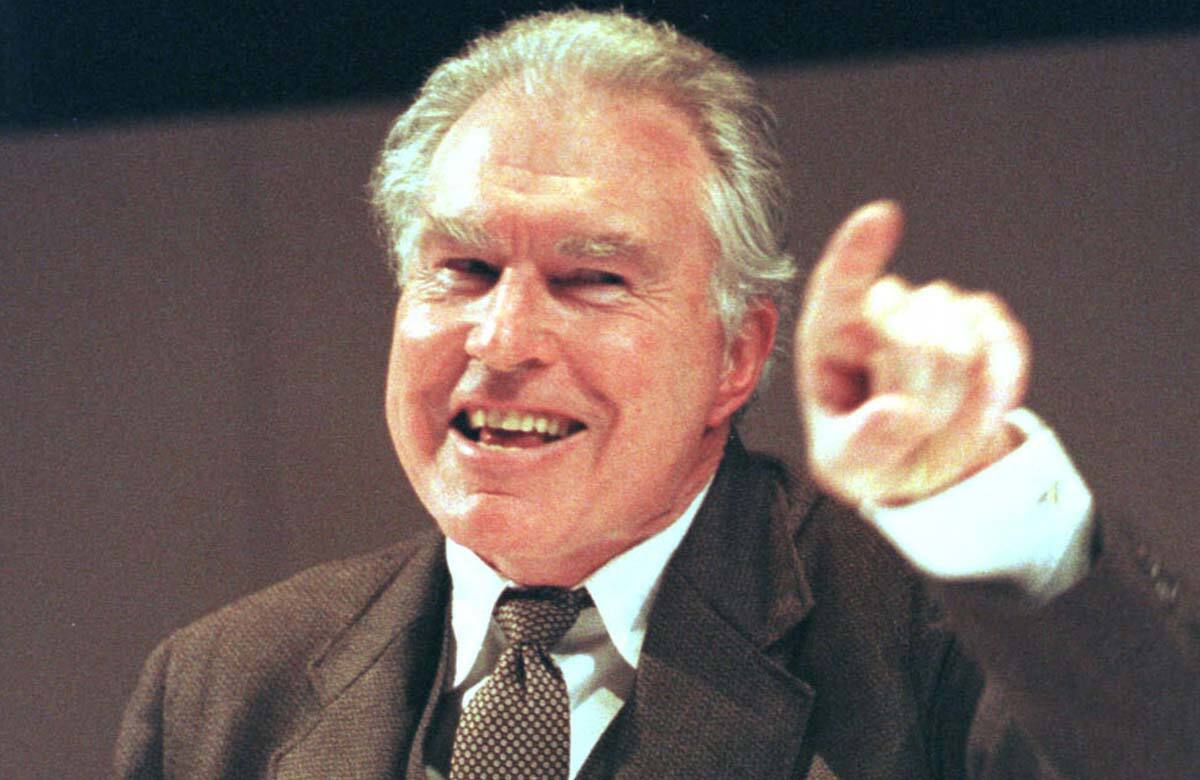
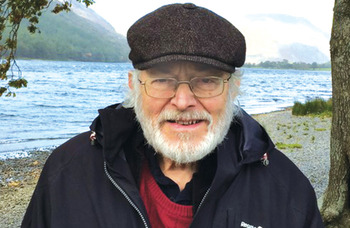
By the time he was cast as Dr Watson opposite Jeremy Brett’s Holmes in Granada’s The Adventures of Sherlock Holmes in the early 1980s, David Burke was well established as a versatile stage and TV actor.
Both he and producer Michael Cox wanted to avoid the traditional depiction of Sherlock’s ‘stooge’, giving Burke the chance to portray him as a more rounded, vibrant companion to the genius sleuth. Even so, after two series, Burke said he ran out of ways of saying: “Good heavens, Holmes!” with any conviction, and so handed the role to Edward Hardwicke.
The son of a ship’s steward, Burke grew up in Liverpool in the 1930s and 1940s, and discovered the delights of live theatre through weekly visits to the Liverpool Playhouse. After reading English literature at St Catherine’s College, Oxford – his original ambition was to be a writer – Burke won a scholarship to RADA (1958-60) where his peer group included John Thaw and Tom Courtenay.
Continues...
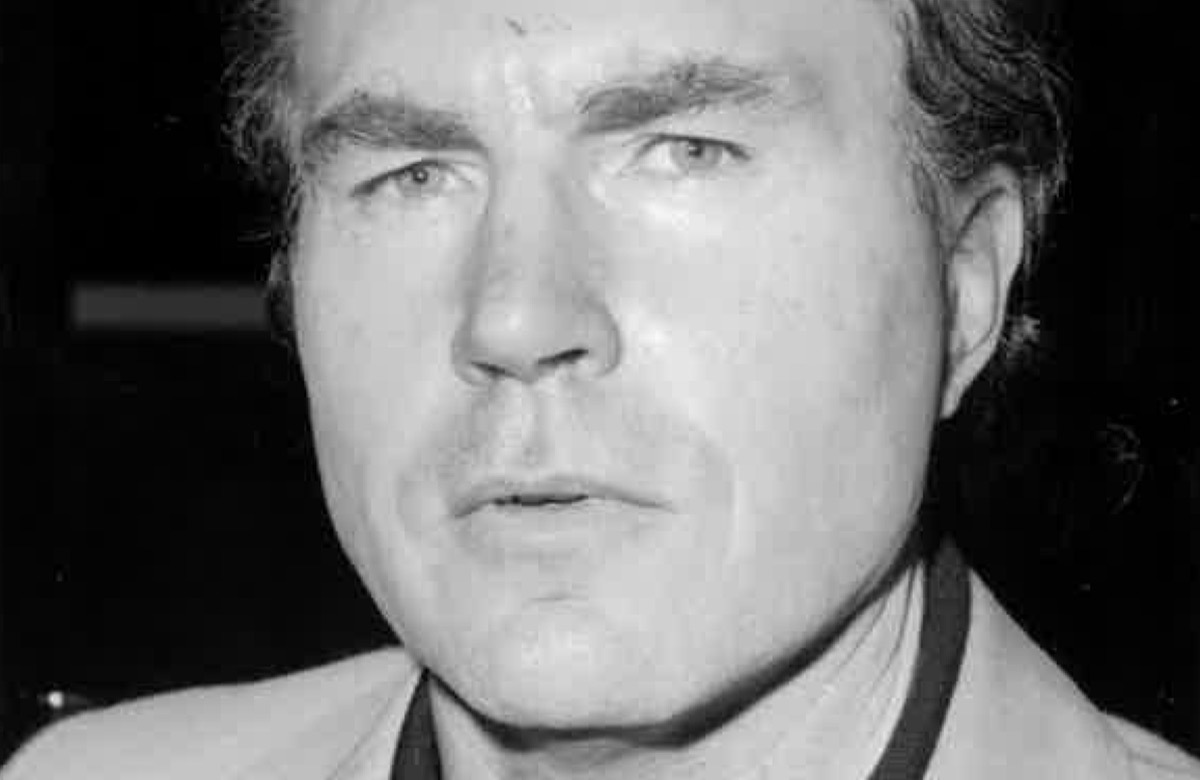
After five years in regional repertory theatre, he received his first London break in 1968 in the John Osborne play The Hotel in Amsterdam, appearing with Paul Scofield and Joss Ackland, which transferred from London’s Royal Court to the West End.
Other notable roles at this time were Geoffrey in Alan Ayckbourn’s tragicomedy Absurd Person Singular at the Criterion; David in James Saunders’ Bodies, which transferred from Hampstead Theatre to the West End; and Kurt Muller in Lillian Hellman’s Watch on the Rhine.
After he quit the Dr Watson role, Burke accepted an invitation to join the Royal Shakespeare Company, along with his wife, the actor Anna Calder-Marshall, in 1985. His roles for the RSC included Hector in Troilus and Cressida and Bessemenov in Maxim Gorky’s Philistines.
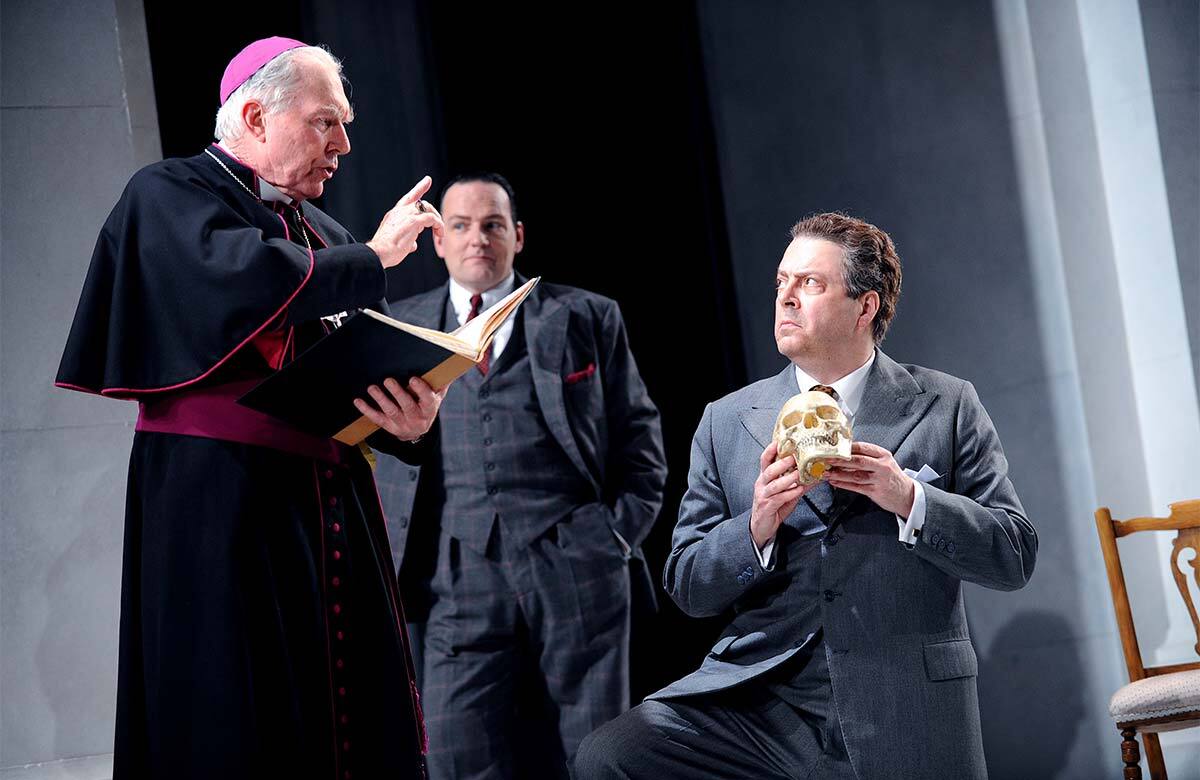
This was followed by a long association with the National Theatre, which continued on and off for more than 20 years, where he played Kent to Ian Holm’s King Lear in 1997; the title role in The Voysey Inheritance (1989); John Hale in The Crucible (1990); and the Ghost of Hamlet’s father in the Daniel Day-Lewis Hamlet (1989).
In an interview with the Guardian in 2000, Burke recalled the night Day-Lewis left the production: “As the ghost disappears, I said: ‘Farewell, farewell, remember me,’ then when I looked back, Dan had gone. We found him backstage on the floor, sobbing his eyes out. They sent the audience out to the bars, rustled up Dan’s understudy, Jeremy Northam, who hadn’t looked at the text for six weeks, got him dressed and sent him on as Hamlet in front of 1,200 people in the Olivier. Dan never played him again.”
Perhaps the standout performance of his National years was Niels Bohr in Michael Frayn’s award-winning 1998 play Copenhagen, in which the legendary Danish physicist meets up with his German counterpart Werner Heisenberg (Matthew Marsh) to thrash out the morality of atomic warfare. Just before the play transferred from the National to the West End, Frayn received a parcel of tattered papers from a Chiswick housewife, allegedly unearthed in the house where Heisenberg was interned after the bomb fell on Hiroshima.
Continues...
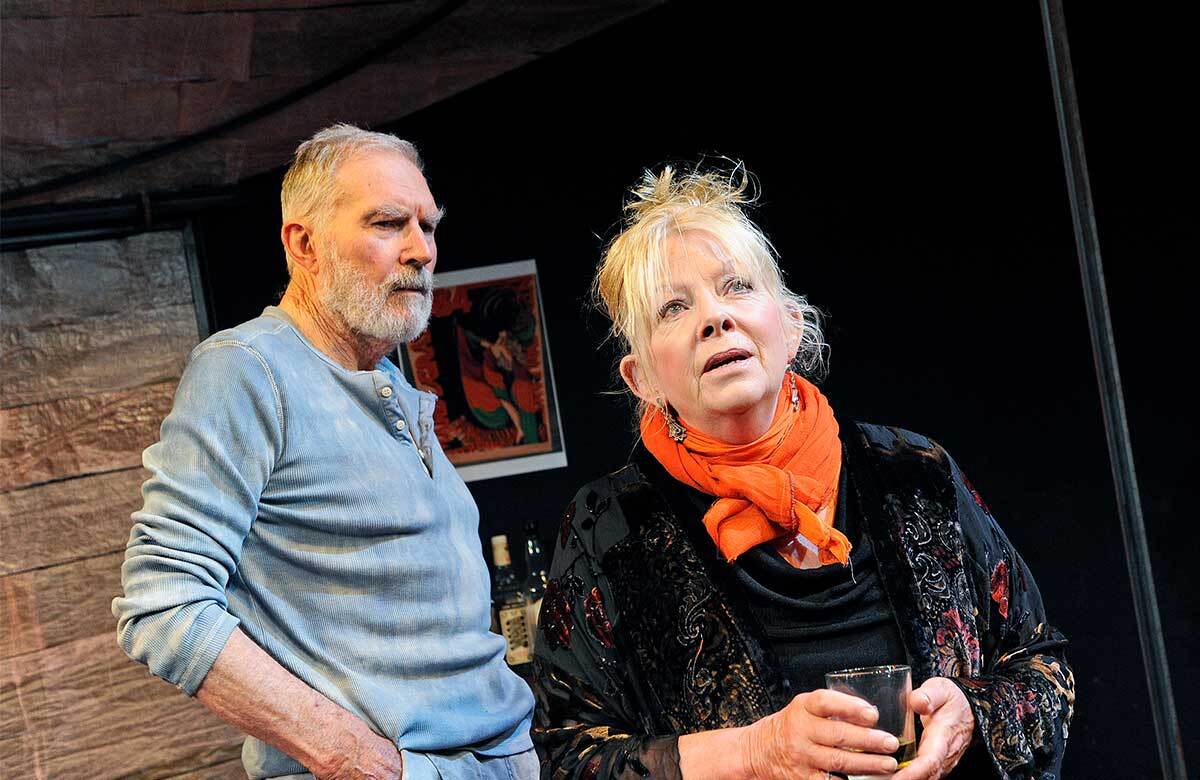
After many months of anxious speculation, Frayn discovered that the letters had been a clever hoax dreamed up by Burke, who had form as a prankster, unbeknown to the playwright. He once, posing as the “railway police”, upbraided Scofield for pulling the emergency cord on a train because he missed his stop.
Frayn was so impressed by the elaborate and painstaking nature of Burke’s prank that he invited the actor to be his co-writer on a book about it, Celia’s Secret: An Investigation, which was published in 2000 and recently serialised on BBC Radio 4, directed by Martin Jarvis.
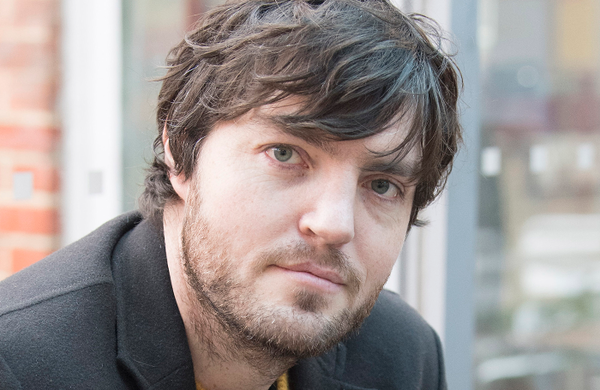
David Burke was born on 25th May, 1934, and died on 10th May, aged 91. He is survived by his wife, Anna Calder-Marshall, and their son, the actor Tom Burke.
Most Read
Across The Stage this weekYour subscription helps ensure our journalism can continue
Invest in The Stage today with a subscription starting at just £7.99

© Copyright The Stage Media Company Limited 2026


