



Applied theatre: what is it and is it the right path for you?
 Samantha Marsden
Tutors, course leaders, graduates and practitioners talk to Sam Marsden about what applied theatre really means, what training looks like, and whether it might be the route to success for you



Applied theatre is one of those terms many aspiring drama students have heard, but often are not sure how to define. Is it community drama? Outreach work? Theatre in prisons or schools? The answer is all of these and more. Increasingly, universities and drama schools are offering courses that explore how theatre can be made with, by and for communities – using performance as a tool for connection, education, inclusion and social change.
For Megan Morgan, a graduate of Royal Birmingham Conservatoire’s BA (hons) in Applied Theatre (Community and Education), applied theatre is fundamentally people-focused. “Applied theatre is an umbrella term, but all of it comes back to one thing: the people,” she says. “It’s about bringing people together, using drama to raise awareness, bring change and understanding, and challenge what is accepted as the norm.”
Since graduating, Morgan has worked with SEND (special educational needs and disabilities) groups and developed Heard Without a Word, a school project supporting young people through transition years. Her advice for new students is clear: seek out courses with work placements. “During my studies I had two placements, and I’m still with one of those companies now. Networking and learning about theatre you didn’t even know existed is what’s most exciting.”
Continues...

Creativity, care and critical reflection
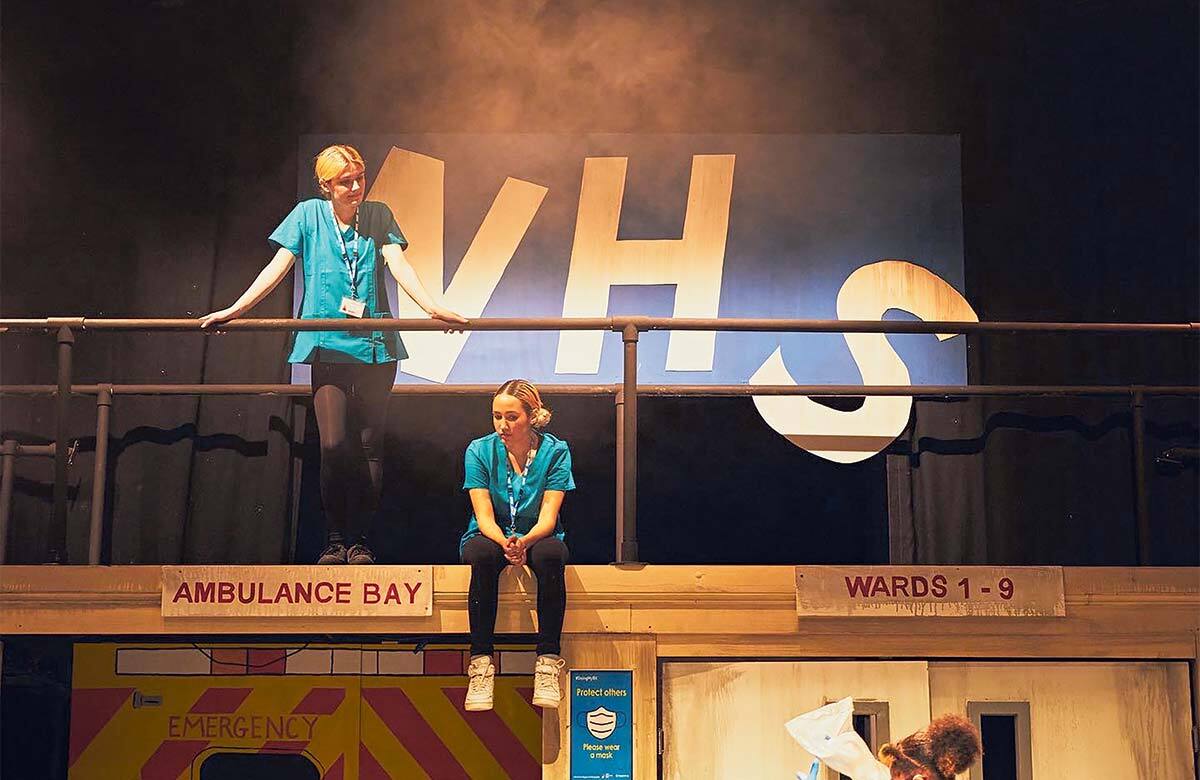
At Warwick University, the one-year MA in Applied Theatre is designed for postgraduates from varied backgrounds. Teaching fellow Saul Hewish describes the ethos as rooted in dialogue and ethics. “We view applied theatre as a practice of creativity, care and critical reflection – one that is collaborative, responsive and ethically aware.”
Students explore socially engaged performance in contexts as wide-ranging as prisons, refugee communities, healthcare and homelessness. For Hewish, its value is in creating spaces of agency and dialogue: “It matters because it enables change, addressing issues of justice, inclusion and human connection.”
‘We view applied theatre as a practice of creativity, care and critical reflection – one that is collaborative, responsive and ethically aware’ – Saul Hewish, Warwick University
Modern skillsets with applied impact
Cathy Sloan, senior lecturer at the London College of Music, leads the BA (hons) Contemporary Theatre and Performance, which incorporates applied acting and devising. “This course equips students with an understanding of how theatre can make a positive impact on society, using interdisciplinary and inclusive approaches to performance-making,” she explains.
For Sloan, applied theatre matters because it can genuinely transform lives: “Creative expression helps us humans to make sense of how we relate to the world. In addiction recovery, for example, applied performance practices can support well-being and build social cohesion. Used ethically, it can really make a difference.”
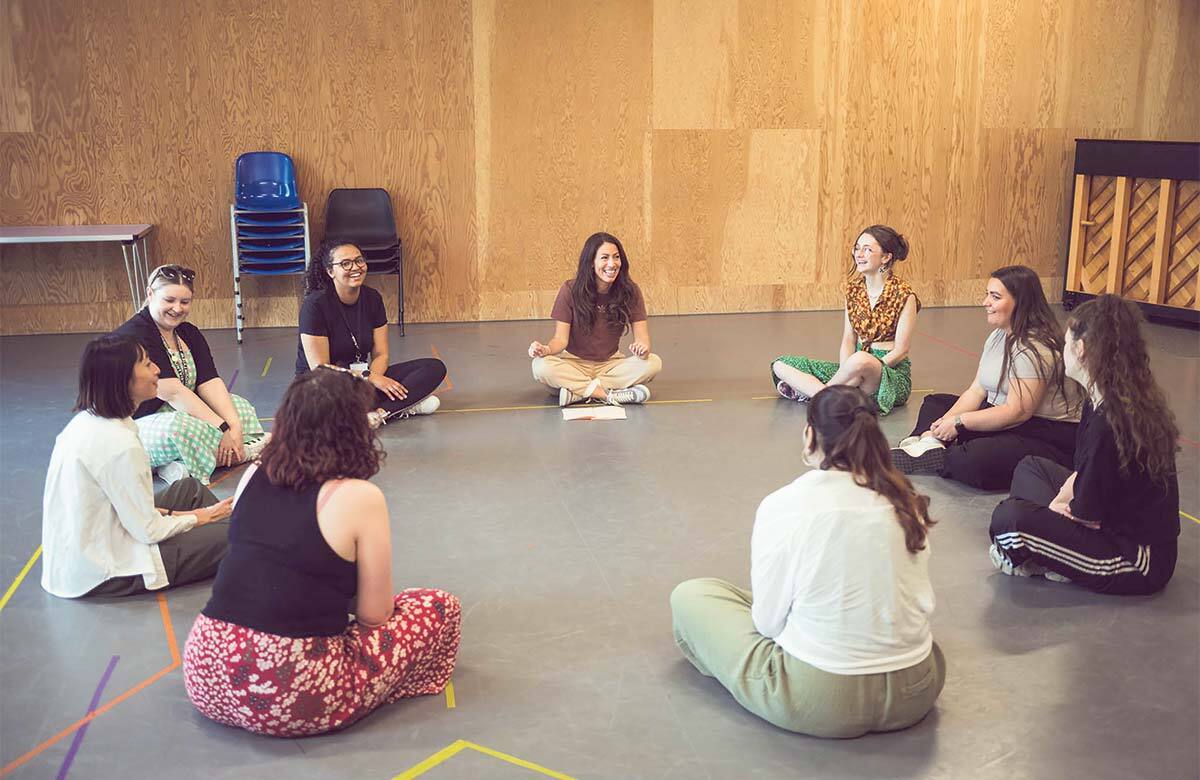
‘Creative expression helps us humans to make sense of how we relate to the world’ – Cathy Sloan, London College of Music
Building practice in professional theatres
At Derby University, students of the MA in Applied Theatre and Education are trained inside a producing house. Programme leader Ava Hunt describes it as a “practical, hands-on programme” with a strong emphasis on employability. She defines applied theatre as “the practice of drama in non-traditional settings with marginalised communities – politically, educationally and socially. It’s about empowering people to find their voice and address social injustice.”
Graduates have gone on to direct youth theatres, work with refugees, create prison arts projects, take leadership roles in education, and pursue PhDs in the field. Hunt advises students to seize every opportunity to observe work nationally and internationally, building networks that sustain a career.
“What is it that you as an individual want to say?”
At Guildford School of Acting, Georgia Bowers – a creative ageing researcher and pro-ageing activist – leads the BA (hons) in Applied and Contemporary Theatre.
“This course is born out of the desire to engage creatively in a social and political manner,” she says. Alongside community projects with refugees, young people with disabilities and older adults, the course encourages students to interrogate their own artistic voice: “What is it that you as an individual want to say through theatre?”
By combining applied practice with contemporary performance-making, Bowers hopes to equip graduates to create theatre that is both socially relevant and artistically ambitious.
‘Applied theatre is about empowering people to find their voice and address social injustice’ – Ava Hunt, Derby University
A toolkit for diverse futures
Many applied theatre courses balance traditional training with new approaches. At ArtsEd, head of music Chris Whitehead explains that even when musical styles evolve, strong foundations remain essential. “The core technique of singing remains the same… but we aim to give graduates a toolkit useful for the diverse range of musicals they’ll audition for.”
This balance is mirrored in applied theatre, where process and product both matter. As Royal Central School of Speech and Drama graduate Shereen Jasmin Phillips puts it: “Applied theatre is theatre for, by and with the people. It has a societal conscience and highlights the importance of process as much as product.”
Guarding against ‘Cinderella syndrome’
Brendon Burns, former head of applied theatre at the Liverpool Institute for Performing Arts and author of The Philosophical Theatre Facilitator newsletter, emphasises the importance of choosing courses carefully.
“You can have fantastic staff, but if the institution doesn’t respect applied theatre, it’s easy to fall into what I call Cinderella syndrome,” he warns – where applied theatre is sidelined in favour of acting or musical theatre courses.
Burns suggests asking about staff–student ratios, speaking to past students and investigating how projects are valued within the institution. He also advises prospective students to reflect on their own motivations: “Ask yourself what you love about theatre or drama. Is it the effect on the community? If so, applied theatre could be the path for you.”
Continues...
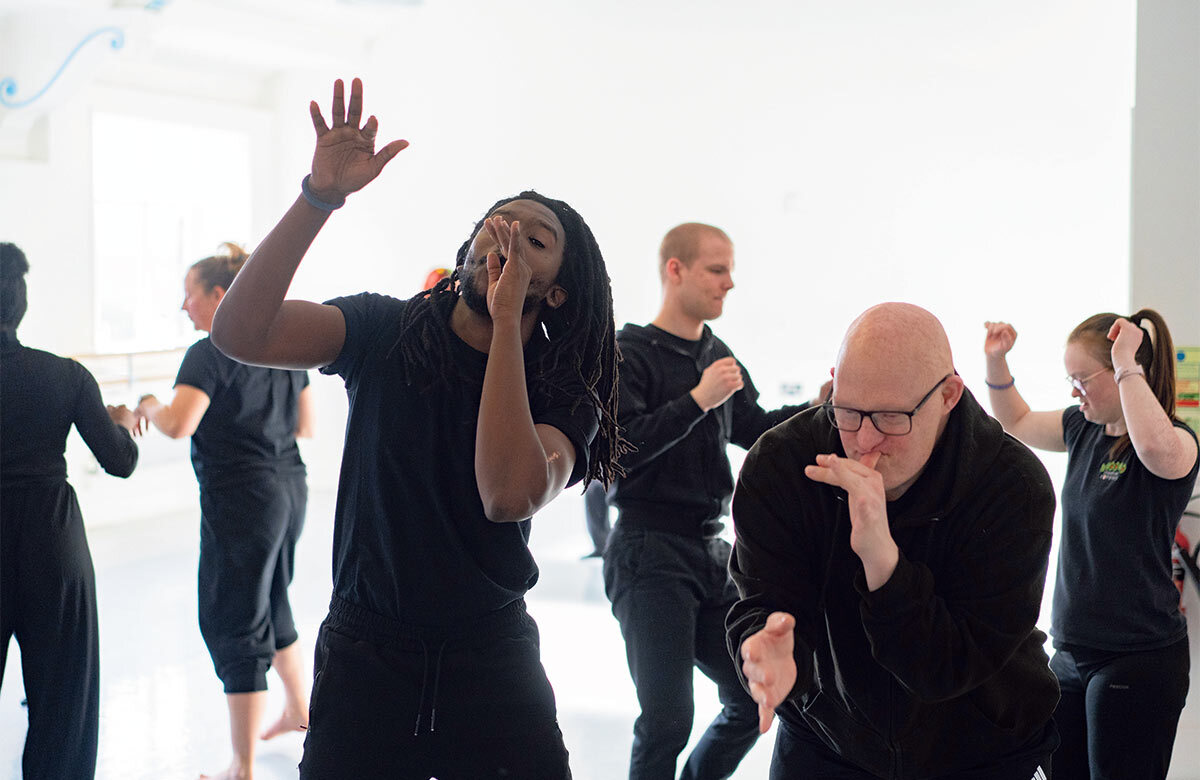
‘Ask yourself what you love about theatre or drama. Is it the effect on the community? If so, applied theatre could be the path for you’ – Brendon Burns, former head of applied theatre at LIPA
Careers and advice
Graduates of applied theatre courses take varied paths – working in community facilitation, youth and education departments of large theatres, arts administration, directing, producing, or founding their own companies. Others enter schools, healthcare settings, prisons, or pursue doctoral research.
Mountview Academy of Theatre Arts graduate Francesca Tudor-Whelan describes it as a practice of empathy: “Applied theatre is about ensuring theatre reaches places in society that can help improve and enhance human connection.” Her advice is practical: get into rooms as an assistant and watch skilled facilitators at work.
Despite applied theatre’s growth, some still see it as a lesser choice. Burns challenges this stigma directly: “If anyone calls applied theatre students ‘failed actors’, ask them how they got into acting or dance in the first place. Chances are, it was thanks to an applied theatre practitioner – a youth theatre leader, a school drama teacher or a community facilitator.”
Applied theatre may mean running drama sessions with young carers, devising performances in prisons, co-creating shows with refugees, or staging work in care homes. At its best, it empowers participants, interrogates social issues and builds bridges between people.
For students, it demands curiosity, resilience and collaboration. As Hewish puts it: “Applied theatre thrives on listening as much as creating.” For Bowers, it is about students discovering what they want to say through theatre. For Burns, it is about recognising the value of community.
In short, applied theatre training is not just about making theatre differently – it’s about making theatre matter.




Opinion
Recommended for you




Advice
Recommended for you
Most Read
Across The Stage this weekYour subscription helps ensure our journalism can continue
Invest in The Stage today with a subscription starting at just £7.99

© Copyright Playbook Media Trading Company Limited 2026


