


Scotland’s arts funding emergency is a threat to the very roots of UK theatre
 Lyn Gardner


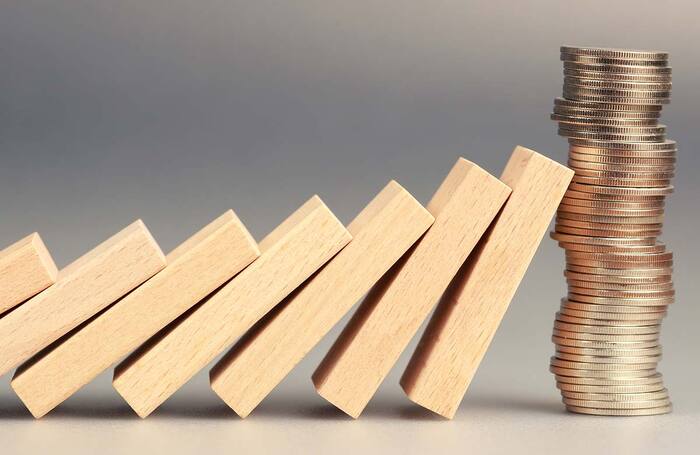
Last Monday afternoon, Creative Scotland announced that it was closing its Open Fund for Individuals (the equivalent to Arts Council England’s project funding) at the end of August, as £6.6 million expected from Holyrood had not been forthcoming.
The timing was interesting – in the middle of the world’s biggest arts festival, taking place in Scotland – and the decision to target individuals says a great deal about how funders view freelancers. It would be madness for any gardener looking to create a mature, sustainable garden to go around stamping on the tiniest green shoots.
I had spent that morning at Edinburgh’s Dance Base talking with 25 international delegates from arts institutions, theatres and festivals who had been invited by the British Council. They were excited to see work from across the four UK nations and meet artists; eager to programme that work for their home audiences in Australia, India, Egypt and beyond. British theatre still has a reputation for quality and a creative allure. But for how much longer?
Often a great piece of work is rooted in several shows made over many years and it blooms because craft and skill and imagination have been nurtured by opportunity and investment
The British Council provided the opportunity and it was my job to help light their way. But the emergency in British theatre funding, which impacts the Edinburgh Fringe as much as the wider UK theatre landscape, is in danger of making that light shine less brightly. A couple of hours after I was recommending shows – including much Scottish work – Creative Scotland made its announcement. What kind of signal does that send to the world? Or indeed to a talented Scottish artist without family support thinking of a career in the arts?
Many of the British Council delegates already have relationships with UK artists and companies, and many of those companies benefited from a kinder funding climate in their early years. Sometimes these have been long and very fruitful relationships. So, the delegates know that being in Edinburgh in August is likely to be worthwhile.
For British companies and individuals who get invitations to perform and make work abroad, it can be transformative. Their success flies the flag for the UK’s soft power and creates a return on any investment made in that work and company by arts councils in previous years.
Continues...
Related to this article
In theatre, we like the idea of the overnight success that springs fully formed, but often a great piece of work is rooted in several shows made over many years and it blooms because craft and skill and imagination have been nurtured by opportunity and investment, often beginning with small amounts of money to individuals.
Alistair Smith and Fergus Morgan have already written about the huge number of solo shows – often about trauma and personal issues, some good and some less exciting – at this year’s fringe. But we should be very clear that the dominance of these shows is not because artists are completely self-absorbed and want their work to be ‘all about me’ but entirely to do with economics. Long-term lack of money affects scale and scope. It stunts everything in the garden.
Unlike many companies arriving at the fringe from overseas, most UK work is unfunded or minimally supported for its incredibly expensive Edinburgh run. Year round, accessing funding is becoming more of a lottery, making the fringe ever more important for companies desperate to be noticed. For them, it is like putting all their money on one number on a roulette wheel.
Earlier this year, I wrote about ACE’s project funding, the diminishing chances of a successful application and the severe impact this has on artists and buildings. Before the fringe, I spoke to Ugly Bucket – one of The Stage’s 2024 Fringe Five cohort – which was founded only six years ago but whose co-artistic director Grace Gallagher said opportunities available to them in those early days no longer exist. What does that mean for many at Edinburgh for the first time this year? What routes are available for them to build on their fringe?
The most charitable sheen that can be put on the Creative Scotland decision is that this is a last-ditch attempt to shame the Scottish government into making good on its promises of money. But why target individuals rather than organisations and the bricks and mortar whose closure would be more immediately obvious?
If the Royal Lyceum or the Tron are threatened, it is a national tragedy. Fail to fund the next Gary McNair, Mele Broomes, Cora Bissett or David Greig and few notice immediately, except the artists. It takes a while for the extent an ecology has been vandalised to become visible. When it does, programmers and producers from across the globe will no longer beat a path to the fringe.

Opinion
Recommended for you




Advice
Recommended for you
Most Read
Across The Stage this weekYour subscription helps ensure our journalism can continue
Invest in The Stage today with a subscription starting at just £7.99

© Copyright The Stage Media Company Limited 2026


