


My Favourite Play: Nina Raine
Which productions most inspired, moved and delighted our leading theatremakers? Director and playwright Nina Raine selects a production that made her laugh and then sob



Exit the King, Olivier Theatre, National Theatre, 2018
I was directing at the National and, in the warren backstage, I kept bumping into Indira Varma and Rhys Ifans and I was really interested to see what their show was like.
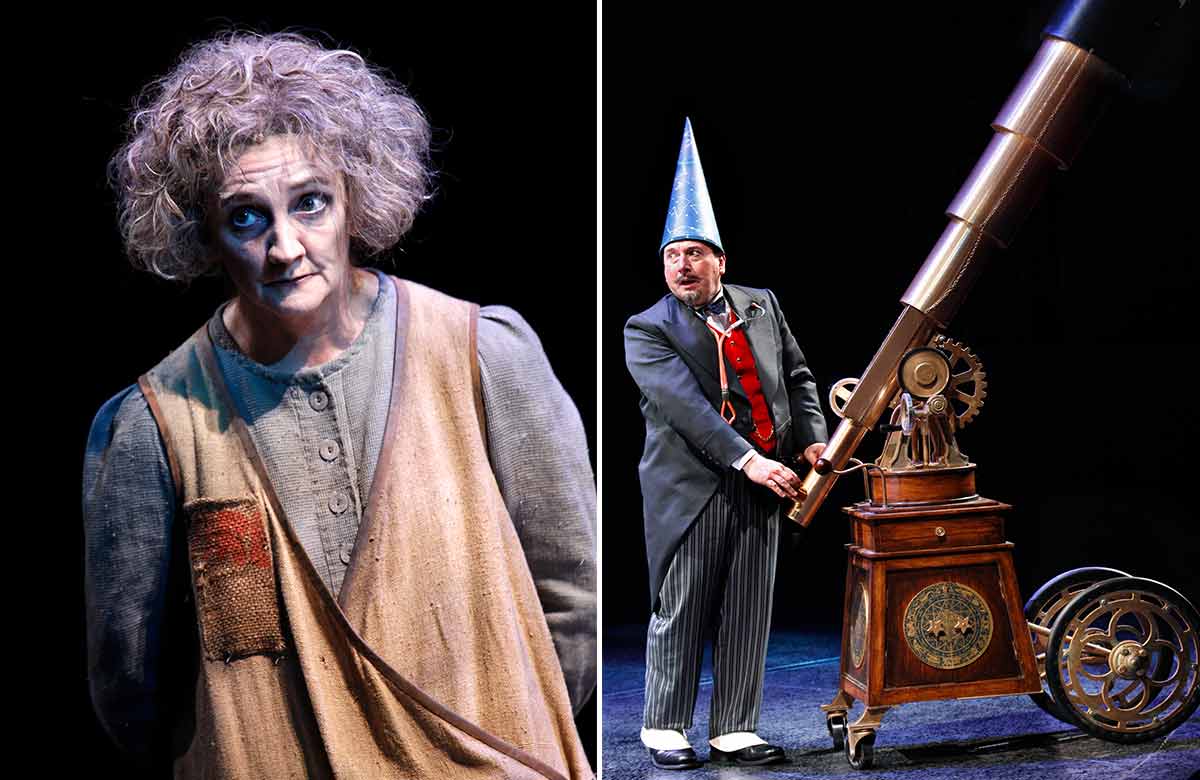
I didn’t know the play. I went on press night and, as far I remember, the first half was just funny. It was farcical and pantomime-y and there were lovely, comic-gem performances from Adrian Scarborough and Debra Gillett and I remember Anthony Ward’s set was this castle of an exterior wall in peeling paper. It felt like a child’s puppet show, with people popping out of windows and so on.
I was enjoying the comedy and admiring Patrick Marber’s adaptation and his gift for brilliant comic lines. Then the king realises he’s going to die and there’s this kind of countdown with his increasing panic and desperation as his death gets closer. And I can’t remember how, but this moment arrives when he is going to have to die. And they flew out the castle wall and suddenly this enormous walkway, like a red-carpet catwalk, was revealed that went across a huge cavern via the Olivier’s open drum revolve so that there was this horrible bridge that just led on and on and on.
Continues...
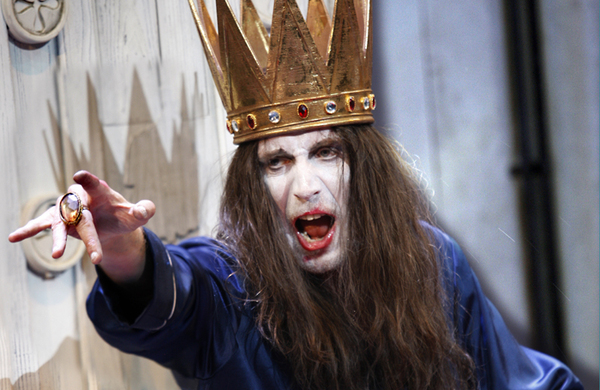
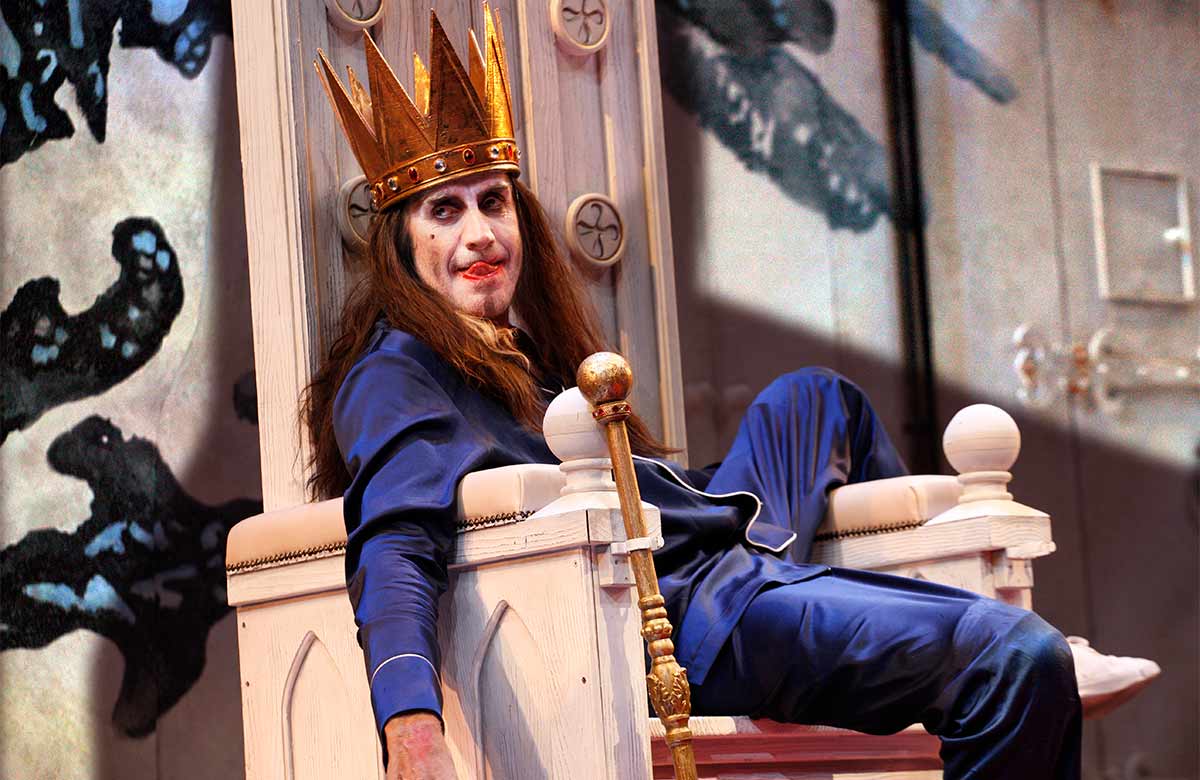
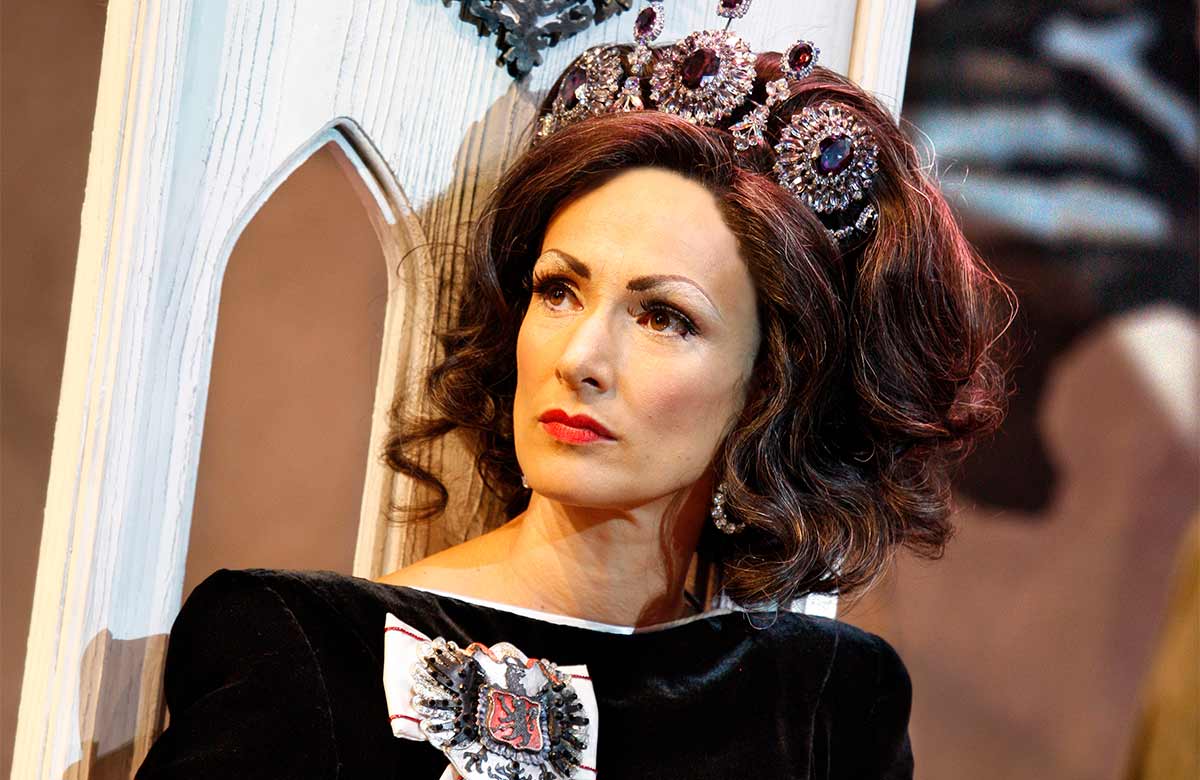
Varma, playing his wife, mimed taking away his armour: she was like the midwife into death. So Ifans’ jester-like king simply walked away into the distance into this black maw. It was so surprising and unexpected and it completely got me, viscerally. And I started to sob, which doesn’t happen as much as I’d like in the theatre. It was this tsunami of grief about our mortality. I think theatre can do death better than any other medium because it can do both literal and metaphor. It was incredibly powerful: set, performers, everything. And then the lights came up and people were cheerfully going off for drinks but I just had to sit there and cry a bit more.
Eventually, I came out and told the cast members that appeared that the experience was unbelievable. “I’ve not seen anything like that and I can’t really talk.” And I could sense that they knew they weren’t going to get great reviews. But I thought it would get five stars... and in fact it got crap reviews. I just thought, come on, guys: yes, the first half is funny but the place it takes you to is insane. The response really depressed me. I sent my brother, Moses, to see it and he rang me immediately afterwards in sobs, too. I think it was really unjustly received.
Continues...
Analysis – David Benedict
Eugène Ionesco, a playwright now more studied than staged, was, alongside Samuel Beckett, the leading exponent of the Theatre of the Absurd and most famous for his short plays including the starkly funny The Bald Prima Donna. His full-length works, including Rhinoceros (turned unexpectedly into a musical in 1990 by Peter Hall) are rarer still so there was excitement at news of a new version of Exit the King which had premiered in the UK in 1963 at London’s Royal Court with, Alec Guinness in the title role and, among others, a young Eileen Atkins.
Adapted and directed by Patrick Marber, the production was built around Rhys Ifans, whom Marber had been incredibly impressed by when he played the Fool to Glenda Jackson’s King Lear. Ionesco described the play as an “apprenticeship in dying” – he was very ill when he wrote it – but both the original and Marber’s version kept comedy strongly in play as it progressed through an ailing monarch’s trajectory towards death from denial, anger and depression through to (grudging) acceptance.
Against Anthony Ward’s beautifully painted, giant castle wall torn by a vast crack, Marber increasingly utilised the Olivier’s potential from the depths of the revolve through to the stage-deep powerful climax. Most reviewers, unhappy with the production’s breadth of tone, delivered notices pitched between less than generous and openly hostile. But those who loved it really did love it.
Nina and Moses Raine’s adaptation of Gorky’s Summerfolk is at the National Theatre until 29th April. Visit: nationaltheatre.org.uk



Opinion

Recommended for you
Opinion
Recommended for you
Most Read
Across The Stage this weekYour subscription helps ensure our journalism can continue
Invest in The Stage today with a subscription starting at just £7.99

© Copyright The Stage Media Company Limited 2026


