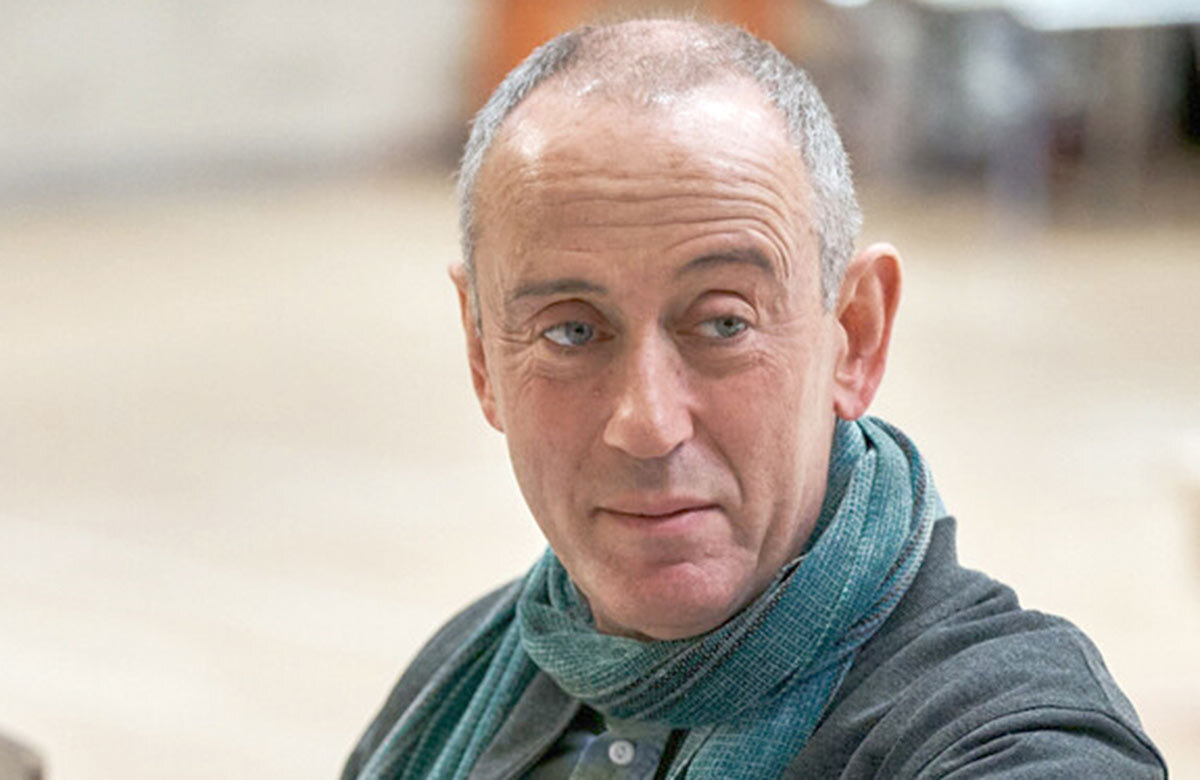
Which productions most inspired, moved and delighted our leading theatremakers? Director Nicholas Hytner chooses the John Barton-directed production of Twelfth Night, starring Judi Dench as Viola
Every year, I used to go with my parents for a weekend and stay at the King’s Arms in Chipping Campden and see three plays at the Royal Shakespeare Theatre in Stratford. And a couple of times a year, I’d go on coach trips from school in Manchester. I was 12 or 13 when I saw Twelfth Night, and it was the first time that I connected with a Shakespeare play in its entirety.
When I briefly worked there in the 1980s, I realised that several of the productions that I’d seen were not regarded as particularly memorable, but this remains extraordinarily vivid in my memory and is still regarded as a benchmark production. It was director John Barton at his best. It created the link between Shakespeare’s late romantic comedies and Chekhov. I can remember experiencing the melancholy.
It was absolutely wonderfully acted, Judi Dench as Viola, in particular. Donald Sinden as Malvolio was wonderfully funny. He used to talk about his often-cited ’bit of business’: Malvolio checking his watch and then adjusting the sundial to fit. I remember the setting as very simple – a slatted box with a raked stage, beautifully lit, in period – and it was impeccably spoken.
Continues...
Fashions and audiences change but, at the time, it felt like a complete approach to Shakespeare and delivered the play fully to me. When Barrie Ingham’s Aguecheek said: “I was adored once, too” – one of the saddest lines in Shakespeare – I don’t think I’m exaggerating, but even at that age, I knew what I was watching was more than a vehicle for visual gags.
All sorts of things about that production and era are unrepeatable, not least a permanent company of first-rate actors who were trained by Barton. It’s not possible to reconstruct that. I’m not being nostalgic; things evolve, and lots about the profession is better now.
The final scene I found then – and continue to find – as moving and satisfying as anything in Shakespeare, particularly the reconciliation of the twins. I don’t think it’s sentimental to acknowledge that this is written by a father who had twin children and who had lost his twin son. When Sebastian says, “Were you a woman, as the rest goes even, I should my tears let fall upon your cheek”, I’ve always cried at that scene, and things like that become more and more profound the older you get.
Continues...

It’s not just Nicholas Hytner who recognised this 1969 classic production as delivering all the darkness as well as the light of Shakespeare’s great comedy.
As Robert W Speaight wrote at the time: “All comedies are comedies of errors, and in Twelfth Night, the mistaken identities are the least of them. Mr Barton and the Royal Shakespeare Company left us thinking very hard about the others.”
In brown velvet and a ruff topped off with red hair, Judi Dench’s gallant, open-hearted Viola was universally regarded as a triumph, bringing focused energy to the role while forever illuminating layers of meaning.
But the key to the production lay in the vision and guidance of director John Barton, a founding member of the RSC who worked there for over four decades. He ensured that the comedy level was high but also presented everything in an autumnal light, as seen through the eyes of Emrys James’ Feste.
Invest in The Stage today with a subscription starting at just £7.99