


One Flew Over the Cuckoo’s Nest at the Old Vic - review round-up


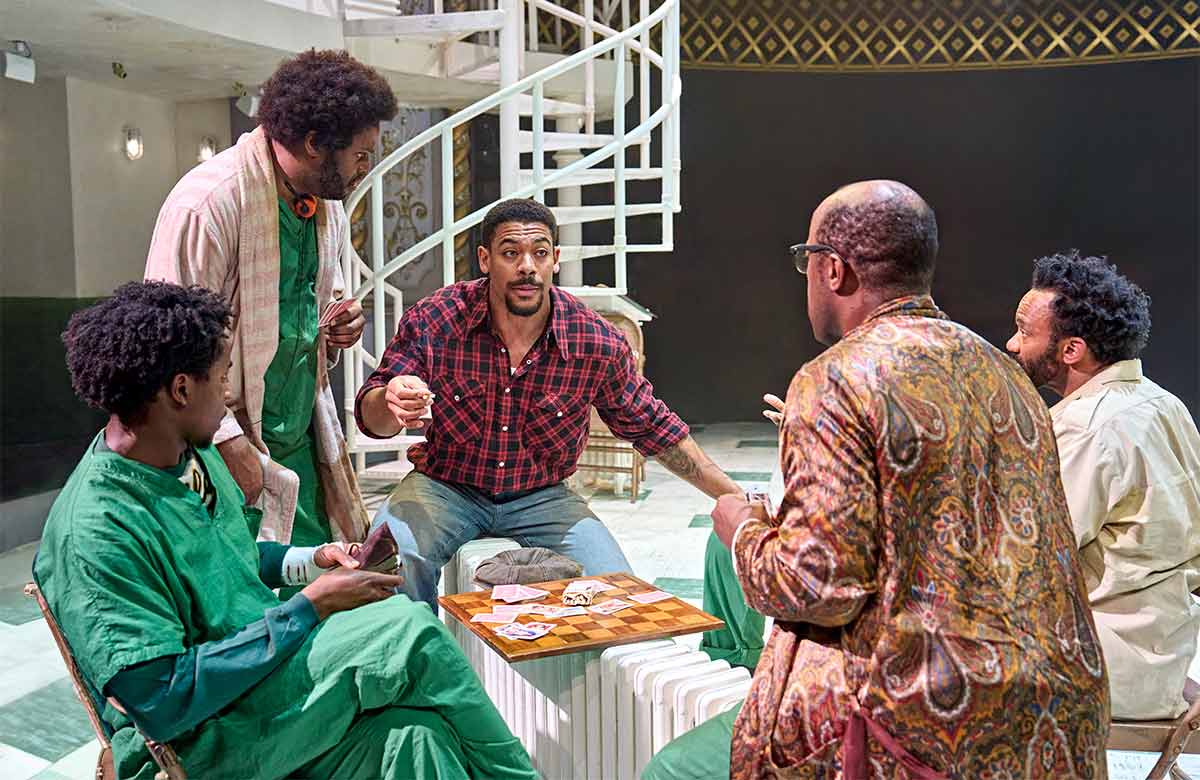
Ken Kesey’s 1962 novel, set in an oppressive psychiatric hospital where inmates begin to rise up against authoritarian staff, is best known for its 1975 film adaptation, with a fiercely charismatic star turn from Jack Nicholson as the irrepressible Randle P McMurphy. But before that, there was the stage version: adapted by Dale Wasserman just a year after the book came out, it opened on Broadway in 1963.
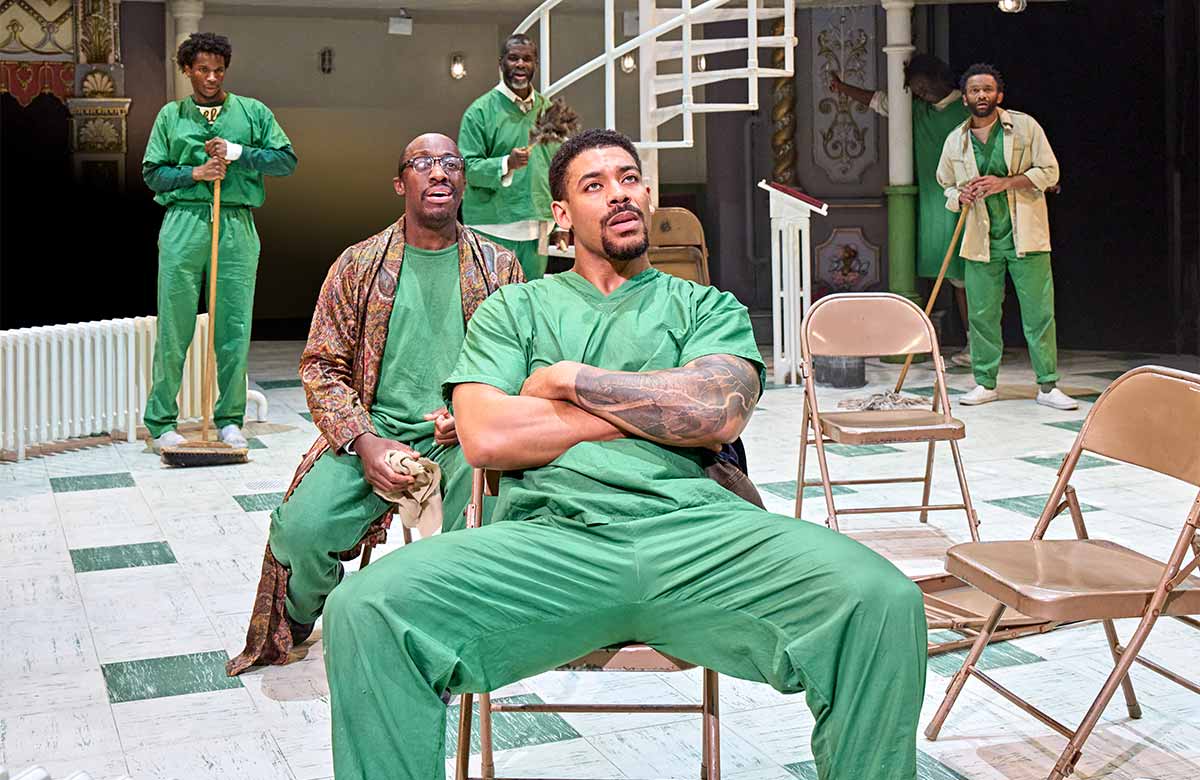
It gets a high-profile revival now at London’s Old Vic, directed by Clint Dyer, who casts every patient as Black, except for Native American Chief Bromden. Aaron Pierre plays Randle, and Giles Terera is Dale Harding, while Olivia Williams steps into the role of Nurse Ratched at the last minute, replacing Michelle Gomez.
Does this counter-culture classic still bristle, or is too much of its time? Can Dyer’s directorial vision find new meaning in the story, or is it a muddled addition? And how does Pierre live up the memory of Nicholson?
Continues...
One Flew Over the Cuckoo’s Nest – stuck in the 1960s
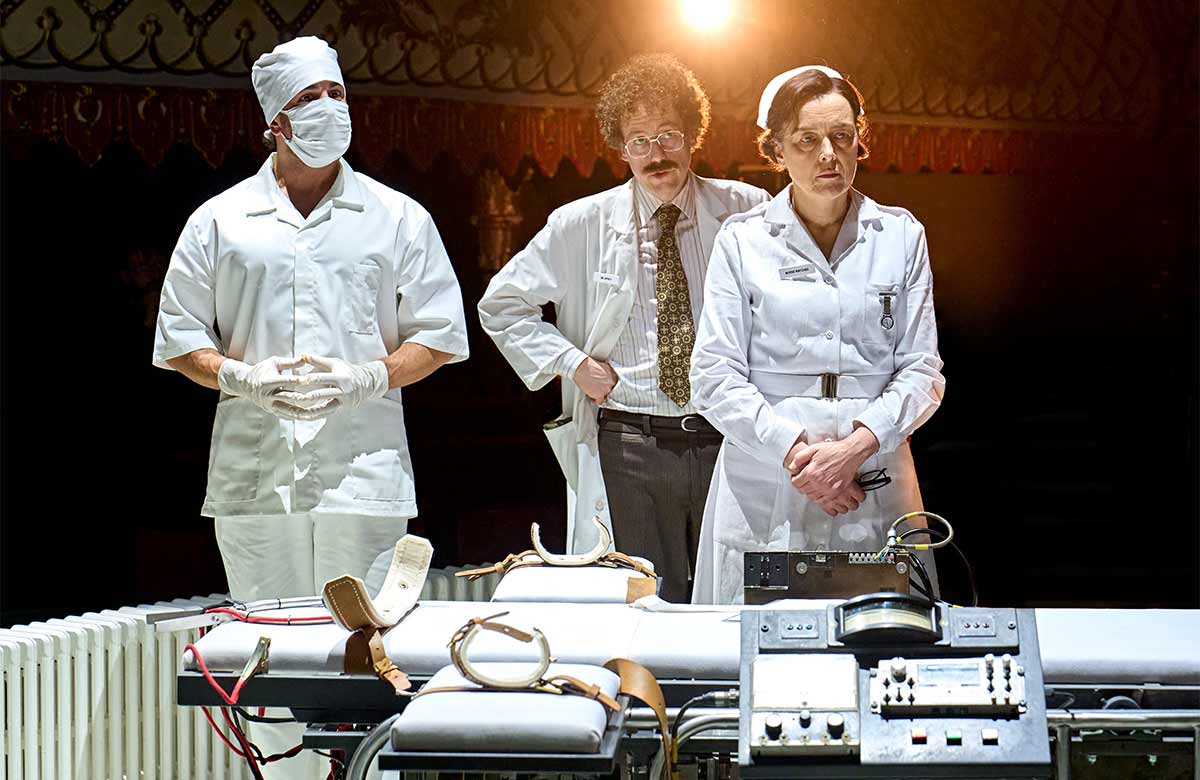
The book, film and play are all identified by critics as tied to their moment – and reviving Wasserman’s stage version is considered by some to be tricky. For Nick Curtis (Standard, ★★★), the play is an “iconic but problematic counter-cultural artefact”, while for Andrzej Lukowski (Time Out, ★★★), it’s “a paranoid individualist hippie’s view of the mid-century US mental healthcare system [that] clearly peaked in significance over half a century ago”. Sam Marlowe (The Stage, ★★★), too, finds that it wears its “RD Laing-ish notions about individualism and the collective madness of society blatantly on the sleeve of its straitjacket” while its portrayal of mental illness is “uncomfortably outdated”.
There are also plenty of concerns about how the story portrays women as the source of many of the men’s problems, and the cruel or crass depictions of the few female characters. For Marlowe, there’s “a troubling seam of misogyny running through it”; for Curtis, “a nasty spine of misogyny runs through the story”; for Sarah Hemming (FT, ★★★★) it’s a “disturbing streak of misogyny”, while for David Jays (Guardian, ★★★) there is a “relentless misogyny” to the play’s “male gaze”. So that’s pretty clear, then.
Continues...
One Flew Over the Cuckoo’s Nest – a colonial interpretation
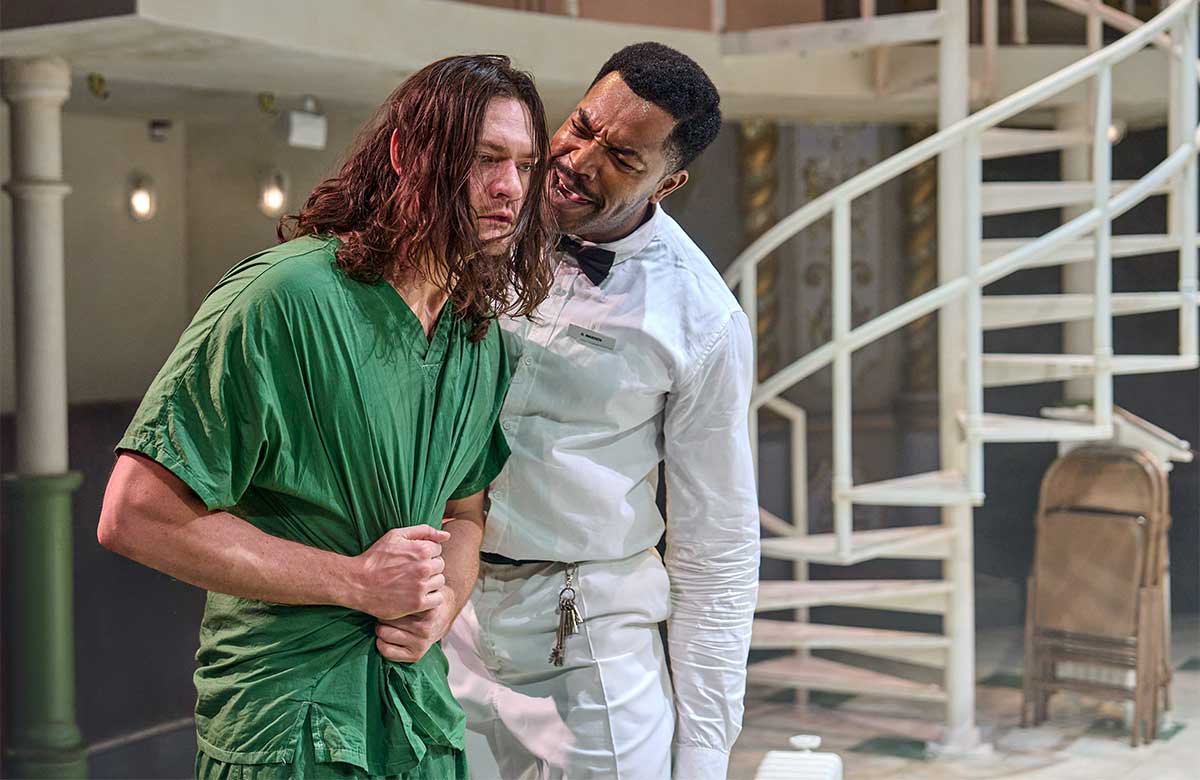
Dyer’s production is billed as a “searing exploration of colonialism” – but does adding a layer of racialised oppression help Kesey’s play, or sit awkwardly with it? Reviewers are split. For Maygan Forbes (WhatsOnStage, ★★★★★) this is nothing less than “a reclamation”: she suggests it “does not feel like a concept layered on top. It deepens the story... echoing real histories of marginalisation and surveillance. The result is a piece that speaks to the present as much as it honours the past”. Hemming also considers it “a revelatory retelling”: “here the facility’s inmates are all African American men, institutionalised because they can’t conform to what society demands. Kesey’s caustic critique of a system that stifles dissent and punishes outsiders remains intact, but this simple choice adds racial oppression and its psychological impact into the mix... It’s all immensely potent, speaking afresh to our own divided times”.
Clive Davis (Times, ★★★★) is a fan of the production, yet seeks to downplay the importance of Dyer’s interventions: he has praise for a “an evening full of nuance and ambiguity rather than right-on chest-beating” and suggests that McMurphy’s “minor acts of resistance are more a revolt against authority in all its forms rather than the legacy of Jim Crow”. Dominic Cavendish (Telegraph, ★★★★) also finds that, “the added racial charge aside, this fittingly intense, non-conformist production delivers a chilling reminder of the perennial cost of dissent”.
For others, Dyer’s bold reframing is interesting – but “the text can’t support his ideas”, according to Jays. Marlowe makes the same point: while “raising ideas about the trauma of racial oppression and its psychological effects” is a “potent choice”, she finds there’s “not really enough in the text, as it stands, to support that interpretation fully”. Lukowski agrees, writing that while “you can see exactly what Dyer means as he repurposes One Flew Over the Cuckoo’s Nest as an allegory for minority-white control systems over Black populations... the script doesn’t actually have anything specific to say about Blackness or the African American experience”. Bottom line: “It just doesn’t work.”
Continues...
One Flew Over the Cuckoo’s Nest – ratcheting up the tension?
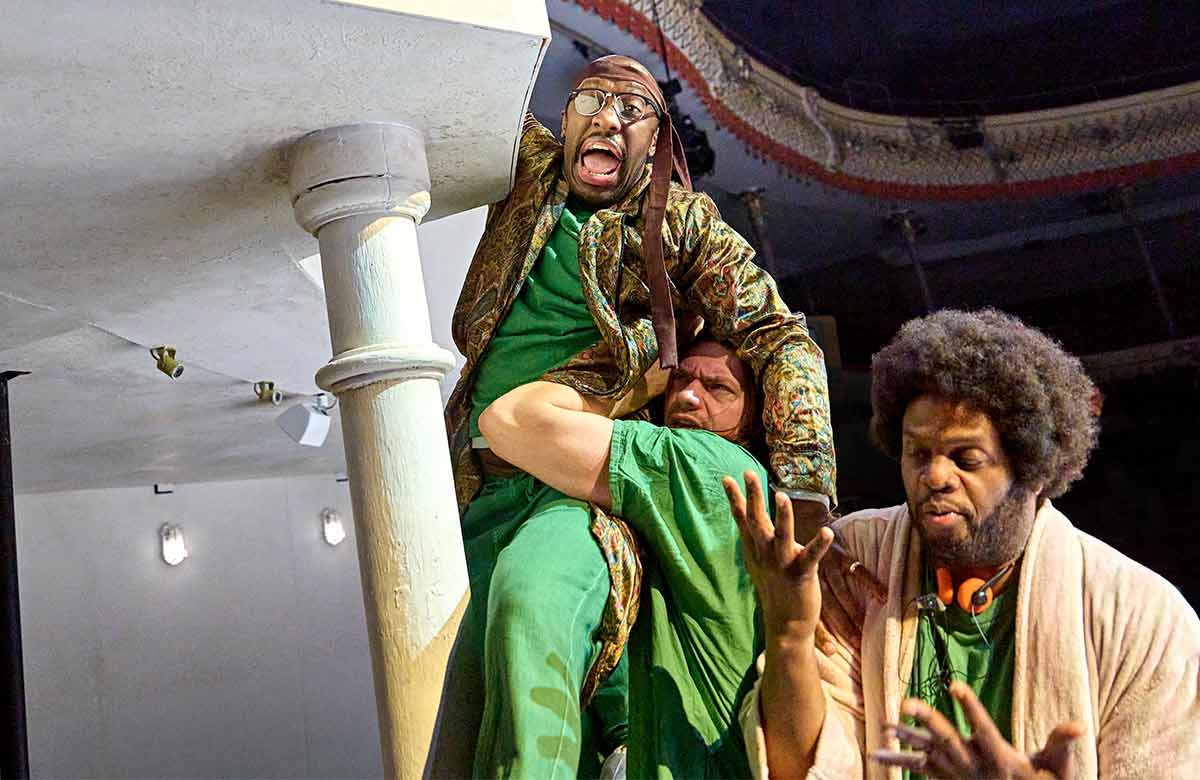
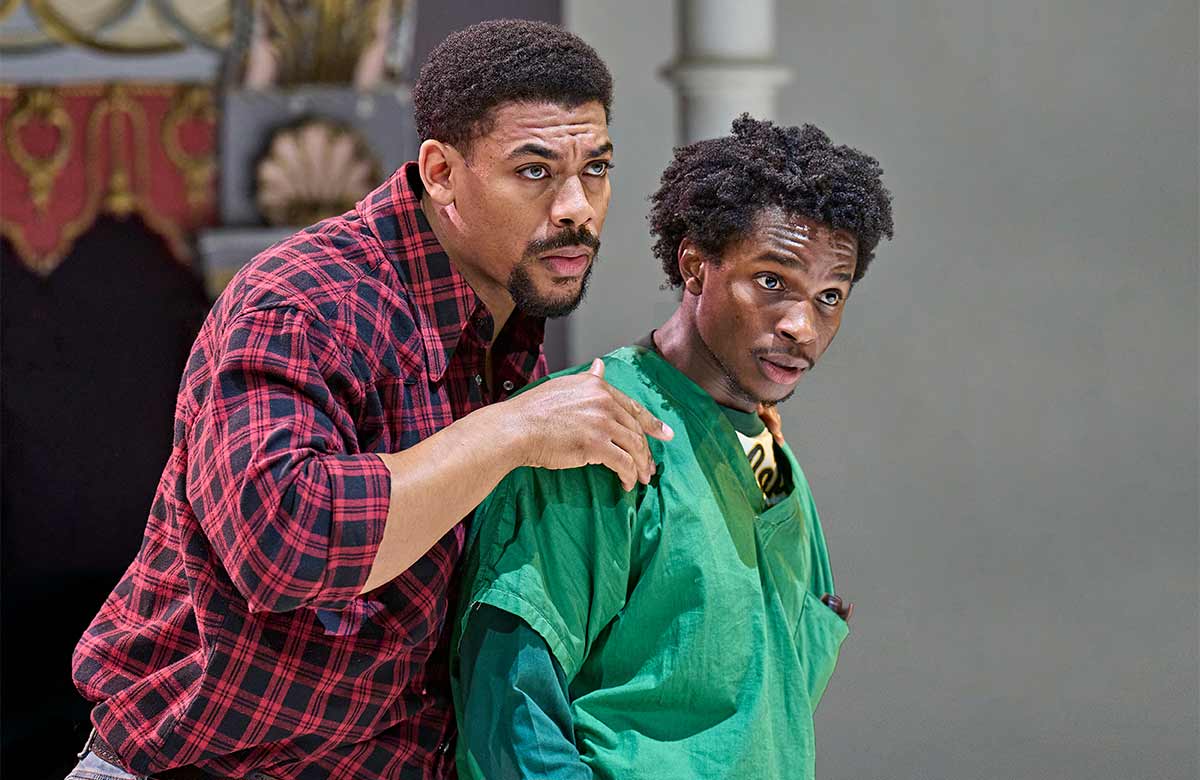
Kesey’s story features several famous roles – so how do this cast fare with them? There are lots of strong write-ups for Pierre. “It’s a testament to the potency” of his performance, comments Davis, that “for long stretches, you barely think of Nicholson at all. [Pierre] is utterly persuasive”. Forbes is persuaded by him too, finding him “electric” in “a performance of real authority, full of swagger, humour and danger, but also threaded with something more fragile underneath”. Even most of those unconvinced by the play, or Dyer’s version, have admiration for Pierre: he’s an “electric force onstage” for Curtis and gives a “storming performance” according to Jays.
Terera is often singled out for praise, too: his performance as the “dapper and witty” gay man Dale is the “most memorable” of the ensemble of inmates for Marlowe, while he’s “the only one who finds real depths to his character” for Lukowski. Hemming also singles out Kedar Williams-Stirling as being “immensely poignant as the cowed, stuttering Billy”.
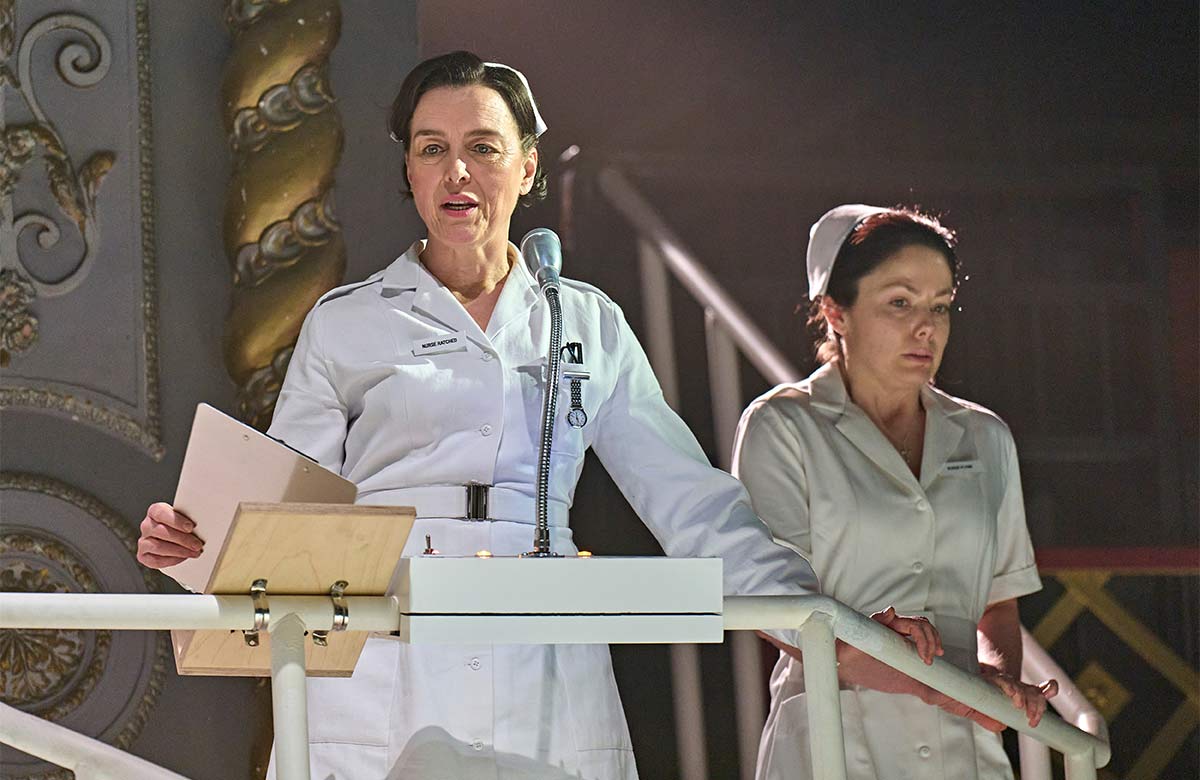
But while Williams gives the sadistic Nurse Ratched “a ramrod spine and starched smile”, according to Jays, and is “suitably impassive” for Davis, others are unconvinced. For Cavendish, there’s not “much spark between Ratched and the man who takes her on”, and Marlowe also considers Pierre’s face-offs with her to “lack recklessness and danger”, suggesting Williams – as a last minute replacement in the role – “doesn’t yet seem to have got to grips with it... there’s a mechanical quality to Williams’ delivery, even at her most malicious”.
One Flew Over the Cuckoo’s Nest – the verdict
Another week, another revival that not everyone is convinced needed reviving. For several critics, the original play is too dated and Dyer’s attempts to draw out a new interpretation feel too adrift without support from the text. For others, it’s a persuasive and potent new spin. Whichever way they land, most people admire the performances – which ensures no one gives it less than three stars, and some give it four. But only WhatsOnStage anoints it the full five.




Most Read
Across The Stage this weekYour subscription helps ensure our journalism can continue
Invest in The Stage today with a subscription starting at just £7.99


© Copyright The Stage Media Company Limited 2026


