


Sustainable Stages: How can theatre respond to the planetary emergency?
As part of a new series of columns focusing on how the industry is negotiating the complex demands of environmental change, Amber Massie-Blomfield explores the work that theatre is undertaking in response to the climate crisis – both on and off stage


While every year is critical for climate, 2025 feels particularly significant. A decade has passed since 2015’s landmark Paris Agreement, designed to limit global warming to 1.5-2 degrees above pre-industrial levels. To meet that target, the agreement stipulates, we must begin to see carbon emissions fall this year. It’s also the year that nations are submitting their updated Nationally Determined Contributions, which outline their climate commitments – a strong indication of how likely we are to achieve that goal. And with Trump’s decision to withdraw the US from the agreement (again), the stakes are higher than ever.
In the words of Christiana Figueres, one of the key architects of the Paris Agreement: “We can no longer afford to assume that addressing climate change is the sole responsibility of national or local governments... This is an everyone-everywhere mission in which we all must individually and collectively assume responsibility.”
Over the coming months, this new column will explore the vital role theatre is playing in this mission. From the West End to grassroots community venues, large touring companies to youth theatres, I want to celebrate the inventive, diverse, committed and beautiful ways our community is acting for the environment.
Our leadership in this space matters, both in terms of how we can reduce the environmental impact of the work we make, and in how our inventiveness and creativity can propel a wider culture shift.
Read More

Theatre can blaze a trail
From a practical perspective, theatre is at the forefront of driving change. The Theatre Green Book, which was co-created with professionals from across the sector, offers an industry standard for sustainable practice, and a meaningful road map for genuine transformation. With countries across the globe adopting the model, and other sectors looking to the Theatre Green Book for inspiration, this positions UK theatre as a world leader in sustainable creative practice.
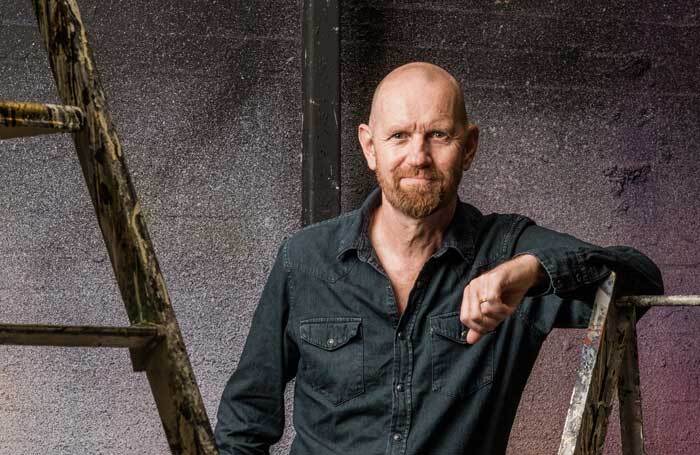
Meanwhile, with its new Green Store, the National Theatre has created a focal point for theatre’s circular economy; and Sustainable Entertainment, founded by ex-Birmingham Rep artistic director and executive producer Sean Foley and Chloe Naldrett, says it is the first commercial theatre production company committed to achieving Theatre Green Book baseline standard on all its shows. No doubt others will follow suit.
Although we’re a relatively small industry, it is precisely because we are flexible and well-connected that we can be trailblazers in the clean energy transition – a good news story we should embrace.
Often the solutions to social justice issues and environmental issues are the same
Nature-based solutions being pioneered in our sector include Glyndebourne’s dedicated ‘dye garden’, which produces plants used to colour the costumes for its operas and beehives on the rooftop of Manchester’s HOME, demonstrating what it looks like for an arts venue to go beyond net-zero thinking to become a ‘generous building’, making a positive environmental contribution to their community.
I recently learned about how Danish opera company Lydenskab created truly renewable costumes for their production The Girl with a Hurricane Brain, using mushrooms its staff had grown at home for the purpose. It wouldn’t work for everyone, but projects such as these capture the public imagination, demonstrating how the spirit of creativity and resourcefulness that characterises our sector can be brought to the challenge.
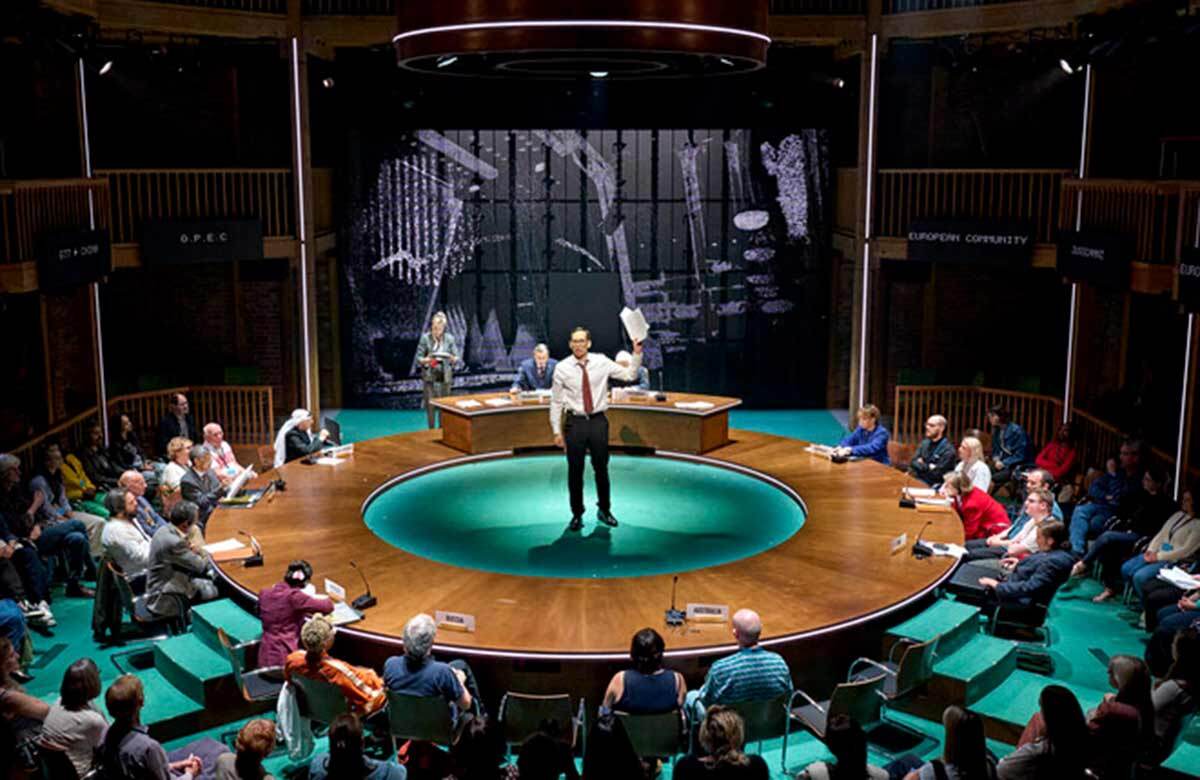
Theatre is playing a wider role in shaping a collective, cultural response to the planetary emergency, engaging with the way it touches every aspect of our lives. Often, this manifests in the stories presented on stage. The huge success of Good Chance’s Kyoto, which recounts the making of the historic Kyoto Protocol in 1997, demonstrates the real appetite for climate policy and science to be made accessible through great drama.
In the past few years, we’ve also seen brilliant new work engaging with climate justice, advocating for equity and human rights within the transition: Fehinti Balogun’s Can I Live?, produced during my time as Complicité’s executive director; dramas that invite us to reimagine our relationship with nature (Mechanimal’s Journey of a Lost Hunter Gatherer, or in New Earth Theatre’s work-in-progress based on Amitav Ghosh’s The Nutmeg’s Curse); or that show us the path to an alternative future (Beth Flintoff’s The World We Made).
Continues...
Theatres are readying themselves for the future, too. As economists hypothesise about what our next economy and political system might look like, theatre venues and companies are already trying it out – with pay-what-you-decide ticketing at Battersea Arts Centre and ARC Stockton, four-day weeks adopted by Contact in Manchester, and citizens assemblies being tested by members of the Citizens in Power network. Although these models aren’t all a direct result of environmental thinking, they emerge from a curiosity about what living in a more humane, sustainable way might mean. It transpires that, often, the solutions to social justice issues and environmental issues are the same.
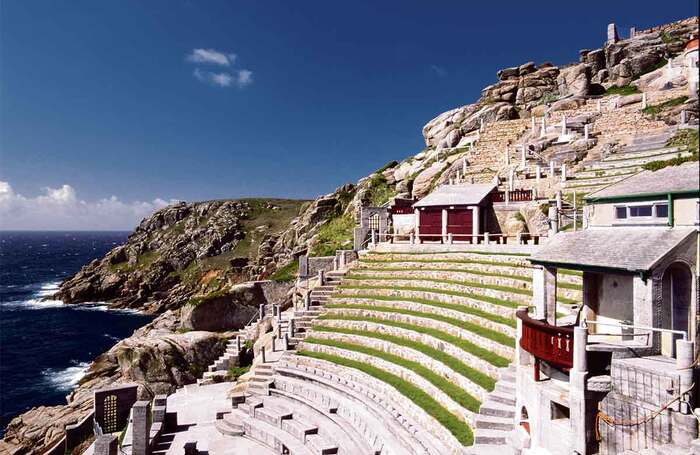
However, that hopeful vision must be couched in the reality that we are already experiencing the impacts of climate change, and that these will inevitably get worse. Open-air theatres such as the Minack in Cornwall and Regent’s Park Open Air Theatre in London have highlighted the risks this presents to their programming models, and are adapting accordingly.
Culture shapes politics, not the other way around, and as the climate space becomes increasingly contested, the arts have a serious job to do in making a case that should be obvious
For communities vulnerable to the impacts of power outages and other infrastructure failures, theatres may prove an important source of support and connection, as they did during the heights of the Covid pandemic. Julie’s Bicycle, a pioneering non-profit working at the meeting point between climate and culture, is spearheading the arts sector’s preparedness for these shocks through its Leading Resilience programme, aimed at fostering locally led creative solutions. In the years ahead, the words ‘adaptation’ and ‘resilience’ will become a much more common part of our sector’s lexicon.
Living through this important – and rapidly closing – window in history, as we face the greatest threat modern humans have ever experienced, we are part of a necessary epochal shift in how we inhabit this planet. Culture shapes politics, not the other way around, and as the climate space becomes increasingly contested – see Nigel Farage’s links to climate-denying ‘think tank’ Heartland and Kemi Badenoch’s dangerous claim that net zero by 2050 is impossible without “bankrupting the country” – the arts have a serious job to do in making a case that should be obvious: the only way humanity can thrive into the future is through a fundamental reset in our relationship with the environment. There is simply no alternative.






Most Read
Across The Stage this weekYour subscription helps ensure our journalism can continue
Invest in The Stage today with a subscription starting at just £7.99

© Copyright The Stage Media Company Limited 2026


