


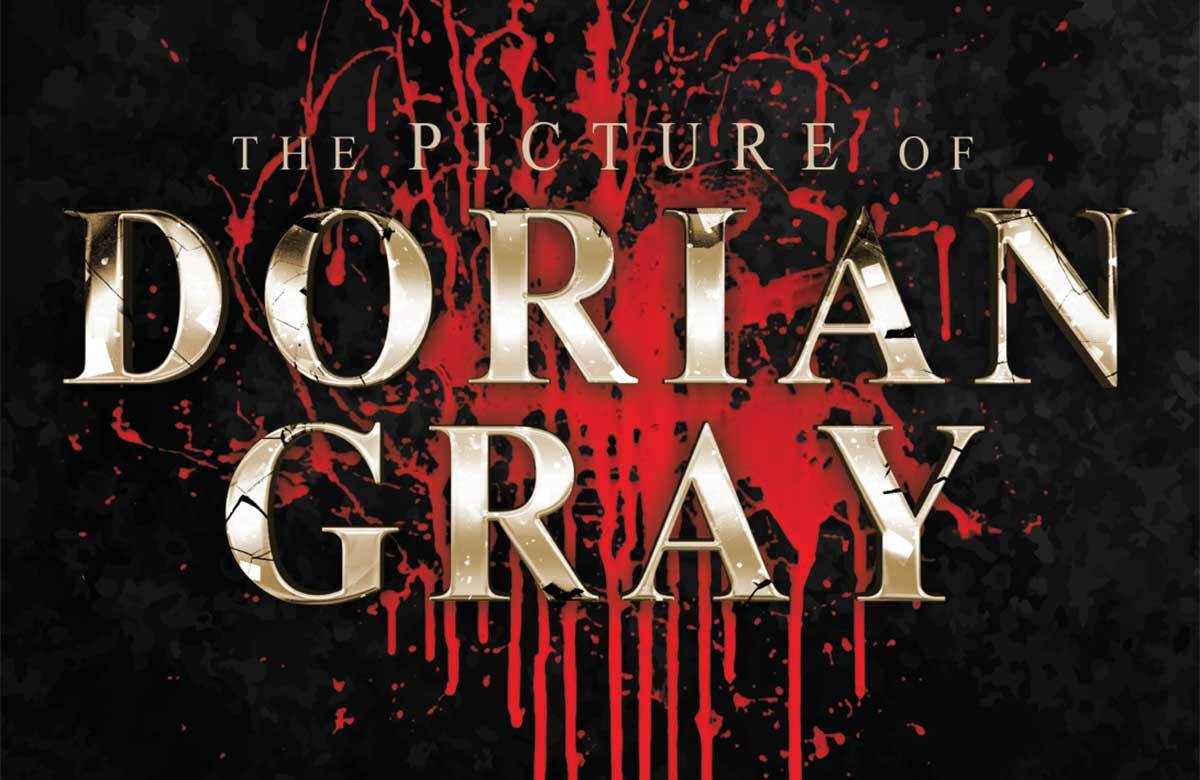
Every picture tells a story: the making of the Dorian Gray musical
Composer Mark J Middlemiss has spent 20 years dreaming of creating his musical adaptation of The Picture of Dorian Gray. As it prepares to go on tour, he speaks to The Stage about the production’s journey


If you had asked Mark J Middlemiss about one of his favourite books, The Picture of Dorian Gray, 20 years ago, he would have told you that it would make a good musical.
“When I read it, I knew straight away,” he says.
But it was only last year, after he retired from the touring circuit following two decades performing an array of tribute shows, that he finally sat down at the piano to start writing.
“It was one of those things that was always on the back burner. Then last February, I thought: ’Okay, I’m going to do this.’ So, I just locked myself away, dived in head first and wrote it," he reveals.
The result is a full, sung-through musical based on the novel by Oscar Wilde. “Essentially, we are building everything around the music,” says Middlemiss, the show’s writer and creator. A self-confessed musical fanatic, he cites “the grand, operatic musicals” such as Les Misérables, The Phantom of the Opera, Evita and Jesus Christ Superstar as his first loves and big inspirations. “Those shows have lived in people’s psyches. I am from that time. I was there when they first happened.”
Continues...

For Middlemiss, those landmark productions became a natural starting point when shaping the musical of The Picture of Dorian Gray.
“We haven’t really had a musical with that type of score for a while,” he says. So he set about writing one. With a big whiteboard to guide him, he began dissecting the shows that had inspired him, piece by piece. “I kept thinking: ‘What was it that made these shows so good? What is it that made them so enduring?’ I built a grid of things they had in common.”
He noticed the unexpected points of humour, like Master of the House in Les Misérables, that “added a bit of light relief”, and songs that “musically didn’t belong in the score at all" – such as a big rock number in an otherwise operatic score – and set about applying it to his own work.
"I just thought that stuff obviously worked because these are shows that have been around for years,” he explains.
Listening to the show’s cast recording, that imprint is clear. “Obviously, musically it sounds different, but I’ve been hugely influenced by their style and the way they flow," he says.
It works. The opening number, Every Picture Tells a Story, has hints of darkness and drama, setting the tone for what follows. Pleased to Meet You, Mr Gray is more jazz-infused, adding a playful swagger to the score.
“I like that it has light and shade,” Middlemiss says.
Getting a killer, “hummable” song was one of Middlemiss’ main aims.
“I want people to leave the theatre singing at least one of the tunes,” he says – he wasn’t looking to create “a deep, meaningful statement of any kind”, and adds: “I just want people to come and enjoy the show.”
But staying close to Wilde’s original story was paramount.
“I’ve tried to stay as faithful to it as possible. To the timeline and to the characters,” Middlemiss says.
To do this, Middlemiss broke the book down into sections. “It was a case of saying, on Monday I’m going to read chapter four and work out exactly what that’s going to require,” he explains. It was an immersive and properly intense process.
“There were a lot of 5am starts and I was going right through until 10 o’clock at night. There was a lot of coffee and paper thrown all over the floor,” he laughs.
But once he found the right chord progression for a particular theme, he could return to it later when that same idea reappeared in the story.
“Things did start to get easier," he says.
‘I just really hope people will see it and like it, and we’ll get to play to lots more places’
About 80% of the musical’s lyrics are lifted directly from the novel. “I think that’s what makes this Dorian Gray different,” he says. “There have been other interpretations, but they’ve brought the story into the modern day or changed the characters. I don’t believe there’s been a musical version up until now that presents Dorian as a Victorian aristocratic character set in the 1890s, exactly as he is in the book.”
He adds: “That’s my selling point. Because it is not really an adaptation.”
The production, which is heading out on tour this autumn, will follow suit aesthetically, too.
“At the moment we’re working with sound and lighting people. I’m so looking forward to actually seeing it come to life," he says.
The show’s album has already been released.
“It’s had a great reaction so far,” Middlemiss says. “And we’ve gained a great following.”
As well as the tour, The Picture of Dorian Gray is hoping to stage a West End-style concert. “We’ve had lots of reviews of the album and all of them have been positive,” Middlemiss grins.
This has been years in the making, Middlemiss admits. He was only “12 or 13” when he first read Wilde’s novel, immediately drawn to its supernatural elements.
“Just the idea that the picture could change. I loved that,” he says. His passion for Wilde is clear. Yet he’s unsure what the writer himself would make of the musical. “I don’t know what he’d think,” he laughs. “But even if he did think it was terrible, his critique would be fantastic.”
Middlemiss, though, has real faith in his creation. “I believe in it. Honestly, I do. I think it will connect with a lot of people,” he says.
Partly, that’s because he thinks Dorian Gray’s Faustian story will always draw people in. “The whole idea of selling your soul to get something in return and then it having a negative outcome – I just think audiences are forever fascinated by that," he says.
With a cast of 13, it is certainly an ambitious theatrical spectacle.
So, what are his future dreams for the show? “Well, obviously, for it to be as big as Wicked,” he laughs. “No, I just really hope people will see it and like it, and we’ll get to play to lots more places.”



Most Read
Across The Stage this weekYour subscription helps ensure our journalism can continue
Invest in The Stage today with a subscription starting at just £7.99

© Copyright The Stage Media Company Limited 2026


