


Inequality between employees and freelancers is laid bare at theatre conferences
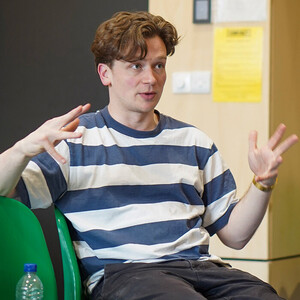 Joe Gilmour



It was when I noticed an incredible actor who I’d seen perform earlier move quietly towards the restaurant door that I realised there was a problem. Last month, I had two fantastic days in Birmingham at BEAM, the largest showcase of new musical theatre in the UK. The work was exciting, the discussions were invigorating and the networking was actually fun. Yet I started to notice a division among attendees. Some were saying: “Great, I’ll expense lunch,” while others took out soggy-looking sandwiches from their bags.
As collaborative as BEAM was, if you were in a salaried job, sent by your organisation, you were being paid to be there and got your expenses back. If you were a freelance artist, like me, it was a double whammy – you had taken time away from whatever job or side hustle you had at the moment and you had to pay for your own ticket (up to £150), travel (easily more than £100) and accommodation.
Continues...
Related to this article

I was quite pleased to have found Birmingham’s cheapest hotel (£29 a night!), although I was a bit embarrassed to tell anyone. I wasn’t the only one feeling the shame about finances. One director, after a few beers, whispered to me that he’d be working all next week in a catering job to pay for BEAM. In the evening, a big group of us went for a curry. It was when we were told we’d be sharing dishes for approximately £25 a head that I noticed this brilliant actor slink off.
This got me thinking BEAM was a microcosm for our creative, dynamic but staggeringly unequal industry. Arts Council England’s Cultural Freelancers Study revealed 73% of freelancers earn less than £25,000 per annum before tax – while the median UK salary is £37,000. Yet without us, programmers would have no shows to programme, artist development teams no artists to develop.
We freelancers also have a responsibility. We hide how precarious things are, as if it’s a sign of failure as an artist
So, can we make conferences more equitable? Some, including BEAM, offer discounts for the self-employed, but it often still works out at more than £100 a ticket, and this doesn’t address the inherent inequality at these events. Could organisers provide free tickets, free accommodation and funding for our time? That might seem an impossible ask, but these events need freelancers to attend and, on less than £25,000 a year, we shouldn’t be funding it out of our own pockets.
The problem goes much deeper, though. The industry relies on unpaid and low-paid work. Consider the hundreds of unpaid hours artists put in to develop their pieces for BEAM. Even on paid projects, according to Freelancers Make Theatre Work, the average freelance rate works out at £13.15 per hour, below the London living wage. If fees were higher, then self-funding a conference trip would be much easier.
BEAM taught me that theatre needs to address the inequality between employees and freelancers. We freelancers also have a responsibility. We hide how precarious things are, as if it’s a sign of failure as an artist. But it’s not us that’s failing, it’s the industry. So, at the next conference, let that soggy sandwich be a badge of honour – you’re an artist and you should be paid more.

Opinion
Recommended for you



Advice
Recommended for you
Most Read
Across The Stage this weekYour subscription helps ensure our journalism can continue
Invest in The Stage today with a subscription starting at just £7.99

© Copyright The Stage Media Company Limited 2025


