


RSC urged to ‘save music department’ as petition amasses 1,300 signatures


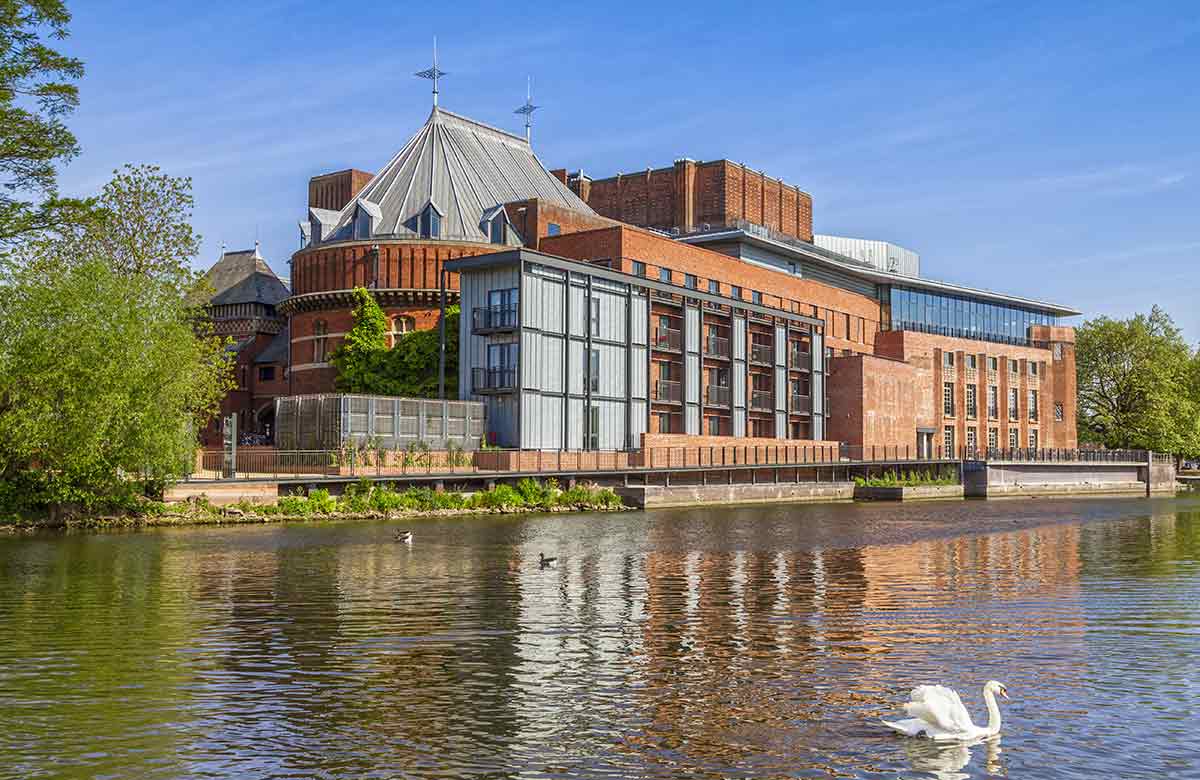
More than 1,300 people are calling on the Royal Shakespeare Company to abandon plans to scrap its in-house musicians as part of significant cuts to its workforce currently under consultation.
Signatories are urging the company to reconsider what they label a "deeply concerning" move, and calling on the RSC to publicly commit to protecting live music.
They claim cutting the music department "is not a neutral restructuring, it is a permanent loss of expertise, infrastructure and artistic capacity; once gone it cannot simply be reinstated".
Continues...
Read More
The writers of the petition, who call themselves "supporters" of the RSC, also claim that the company has "opted to use electronic or recorded music in place of live musicians in many of its productions", and urged the RSC not to "pursue this trend towards non-live music".
The RSC has strenuously denied that there are any plans to prioritise recorded music over live music in its shows as part of its plans – but it did confirm to The Stage last week that it is planning to scrap its in-house musicians as part of cost-cutting plans. This week, it has confirmed to The Stage that music will no longer be a separate department under its proposals. The move forms part of the company’s proposals to reduce the size of its workforce by 11%, which bosses said would help the RSC to work "as efficiently as possible" and fulfil its founding goals.
Executives at the company have said there are plans for three "specialist" roles devoted to music and that the RSC’s plans would allow more freelance musicians the opportunity to work with it.
But opposition to the plans is mounting, with the online petition calling for the move to be aborted. It currently has 1,308 signatures at the time of writing (December 12), having started only two days before.
"Such a decision would undo more than 60 years of artistic heritage and remove a defining strand from the identity of one of Britain’s most important theatre institutions," it reads.
"We are calling on the RSC to reverse this proposal and publicly commit to protecting live music as an essential part of its work by reinstating its music department."
Later, the petition adds: "The RSC is more than a regional theatre, it is a bastion of national cultural heritage supported by public funding and public trust, and the current RSC leadership should be acting as caretakers, protecting the legacy of the RSC to leave it in a better position for those that come after them."
The comments come after freelance musicians lamented the move in a letter last week, arguing it "sends a troubling message across the entire industry: that musicians and music departments are optional, easily replaced or only worth engaging when budgets allow".
Responding to this criticism, artistic directors Tamara Harvey and Daniel Evans and executive director Andrew Leveson reiterated that they were currently consulting on the proposals, which they said would ensure the company "[works] as effectively and efficiently as possible, and [sets] us up to generate additional income to invest in the creation of theatre and learning through theatre, which are our founding purpose".
Specifically addressing the petition, the executive team said: “At the heart of our proposals to transform the RSC is the desire to collaborate more effectively and responsively with the most exciting artists to make thrilling theatre that speaks to now. Our proposals will allow us to be more flexible to creative teams’ ideas, as well as providing a greater number of opportunities for a wider range of freelance artists to work with us. We believe this will do more to support the skills and talent necessary for a thriving theatre sector.
“We want to be clear, following some misleading information which has appeared online: music is central to the artistic vision of the RSC. Recordings will not be favoured over live music and, as previously, the RSC will continue its practice of balancing live, electronic and recorded music that best embodies the creative visions of the artists we work with.
“While music will no longer be a separate department in our proposals, staff roles dedicated to the specialism of music in theatre remain and are integrated within other RSC teams, ensuring music remains central to our productions.
“We welcome feedback from colleagues who have taken the time to share their thoughts and questions. We are in open dialogue with our staff about our proposals and possible alternatives and would welcome any further feedback to be shared directly with us. This means we can consider it as part of our current consultation, which we expect to conclude in mid-January.
“Since we are currently in a collective consultation with our staff, we have refrained from commenting publicly on the specifics of our proposals as we feel this is disrespectful to the individuals whose roles may potentially be impacted.”


Most Read
Across The Stage this weekYour subscription helps ensure our journalism can continue
Invest in The Stage today with a subscription starting at just £7.99

© Copyright The Stage Media Company Limited 2025


