


Matthew Bourne’s The Red Shoes review

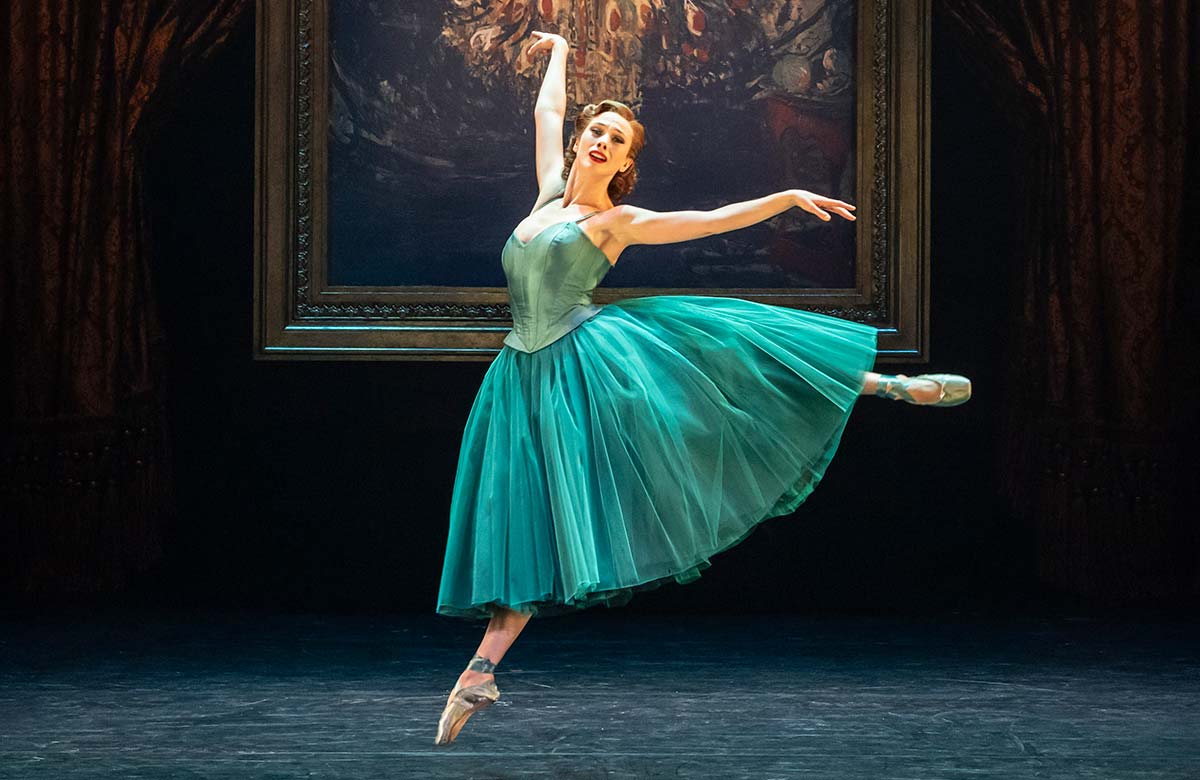
Dance adaptation of the Powell/Pressburger film dazzles


Ruby slippers or red shoes? Judy Garland or Norma Shearer? In terms of incarnadined footwear with magical properties, you pay your money and you take your choice. Matthew Bourne’s dance adaptation of the Powell/Pressburger film based on Hans Christian Andersen’s story is poised between romance, comedy and dark fantasy. He has recalibrated it since its debut in 2016, cutting some scenes that overstayed their welcome and sharpening the focus on individual characters, whether they are dancing or not. Much of the story is told in the margins of the big sequences – a look, a gesture, body language that is as articulate as a flurry of fancy footwork or a paragraph of dialogue. The story of young ballerina Victoria Page and the conflict between her artistic ambition and her romantic fulfilment is an ancient tale, but Bourne makes it feel freshly minted.
Following a wonderfully louche gathering in an elegant salon, the action moves swiftly to impresario Boris Lermontov’s rehearsal studio and thence to theatres in Paris and Monte Carlo, where Victoria rises to the top of her game, only to be thwarted by her indecision between succumbing to Lermontov’s insistent wiles and staying loyal to her composer boyfriend, Julian Craster. The air is thick with jealousy and resentment as Victoria takes over from the injured prima ballerina Irina Boronskaya and rises to pole position in the company.
Continues...
Read More
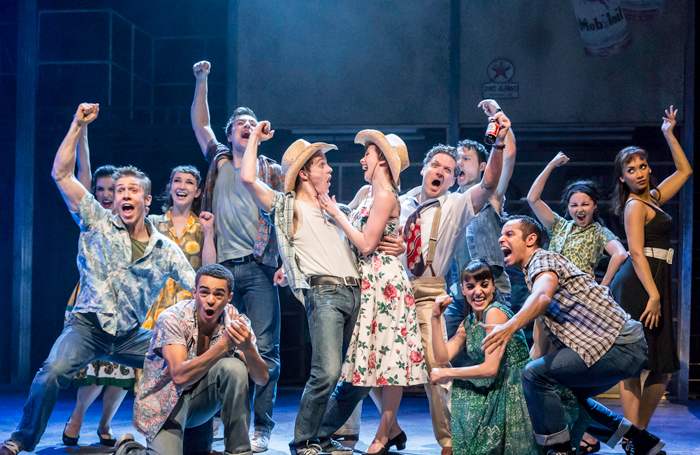

Played out on Lez Brotherston’s extraordinary sets – the centerpiece is a versatile proscenium arch that glides around revealing backstage view as well as front – it gives us a view of a theatre-within-a-theatre, it erodes the line between reality and fantasy. Among the many highlights are the sequence, when Victoria and Julian have been discarded by Lermontov and end up in a tawdry East End music hall, complete with ventriloquist and Egyptian sand dancers. It’s a scene that could have been inspired by Angela Carter’s Nights at the Circus, as humour slides into a nightmare when the ventriloquist’s dummy becomes overexcited at Victoria’s spreadeagled legs.
Lermontov is always on the sidelines, observing and calculating – alone in his palatial home and dressed in a red velvet houserobe, he becomes a melodramatic diva, flinging himself around like a silent movie star overwhelmed by his own vanity. Bourne’s skill as a storyteller is unequalled, and the use of Bernard Herrmann’s music is a stroke of genius, as the shivering, shrieking strings of Psycho deliver precisely the kind of unnerving atmosphere required. Nor is he afraid of silence, allowing his cast the space for momentary individual expression. The celebratory post-show party includes snatches of just about every popular dance one can think of – swing, tango, a flash of flamenco and even a brief flurry of Cossack dance. It’s fun, but never at the expense of the tragedy waiting in the wings – and the climax, as always, is an absolute knockout. Toto, I’ve a feeling we’re not in Kansas anymore.
For all the latest dance reviews, news and features, sign up to The Stage’s monthly dance newsletter

Most Read
Across The Stage this weekYour subscription helps ensure our journalism can continue
Invest in The Stage today with a subscription starting at just £7.99


© Copyright The Stage Media Company Limited 2025


