


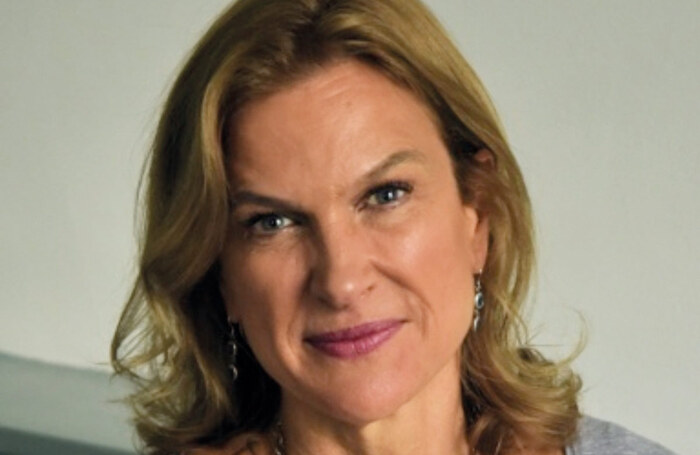
Casting director Nancy Bishop: 'It helps not to become too attached to the outcome'
 John Byrne
Nancy Bishop tells John Byrne how she became a casting director, ahead of her book Auditioning for Film and Television: A Post #MeToo Guide being published by Methuen Drama


How did you start in acting and casting?
I was a theatre director and was invited to Prague, after the Velvet Revolution, in the 1990s to direct a play, ending up as an artistic director of an English theatre in Prague. When the film industry started shooting there, they needed actors and I knew the ones who spoke English. Eventually I branched out to work internationally and now I’m predominantly in London.
What inspired you to start training and providing ‘how to’ information to actors?
I noticed there was a dearth of on-camera training, as actors seemed to be trained in theatre only. Theatre actors who had been brilliant in the play I saw the night before would do awfully on camera auditions. I had come from theatre myself and had learned about what works on screen. I took that apart and started to teach classes. Eventually I started an Acting for Film department at the Prague Film School, and now I’m on my third book on the topic for Bloomsbury.
As a casting director, what ‘gaps’ do you see in current actor training?
It’s getting better now. Actors are realising the importance of learning to tape themselves, and there are plenty of quality classes on offer.
What would you change about the industry?
I wish all agents and casting directors would respect the rules and act only in one sphere. An agent works for the actor and the casting director works for production. This is mostly respected in London and Los Angeles, but in some of the smaller countries I do business with you have the phenomenon of agents who cast. It’s a conflict of interest.
In the light of the #MeToo movement, what could training institutions do to better prepare actors to audition safely?
Teach the process of consent that intimacy coordinators use and have an intimacy coordinator teach a unit.
What standout qualities have you seen in actors who audition well?
An enjoyment of the process and a love for the work. Also, it helps not to become too attached to the outcome, to have a good attitude – you win some and you lose some.
Nancy Bishop was talking to John Byrne. Her book Auditioning for Film and Television: A Post #MeToo Guide is published by Methuen Drama




Opinion
Recommended for you





Advice
Recommended for you
Most Read
Across The Stage this weekYour subscription helps ensure our journalism can continue
Invest in The Stage today with a subscription starting at just £7.99

© Copyright The Stage Media Company Limited 2026


