Will Young’s article (‘New plays are the engine of our sector – we must give them fuel’) highlights a challenge many of us recognise: the decline in new play production across the UK.
Pentabus is the nation’s rural theatre, and our role in developing new voices remains central to that identity. While national output is lower, our own commissioning and production activity has expanded significantly in recent years. Between 2020 and 2025, we commissioned 144 plays (full-length and short-form), almost double the 78 commissions made in the six years before Covid. Over the same period, we produced 50 live productions and 89 digital works, maintaining our commitment to reaching rural communities even as touring has become more challenging. That sustained growth draws on the foundation laid by previous artistic directors Theresa Heskins and Elizabeth Freestone, who established the Young Writers and Writer-in-Residence programmes to give rural playwrights access to resources and opportunities many would never otherwise have.
None of this would be possible without the support of funders, individuals and businesses who recognise the importance of new rural stories and have chosen to prioritise this work. This commitment is especially vital given that we are based in one of the lowest-funded counties in the West Midlands and the UK – and it is no small feat for us, as a company, to keep this work robustly and sustainably resourced.
The growth of the company, despite the dire funding landscape, reflects our ambition to meet the appetite we see from audiences and to make excellent new work available to communities everywhere, not only those in urban centres. Rising costs across the sector place increasing pressure on our ability to maintain the depth and quality of our investment in new writing. Despite this, we remain determined to protect the time, care and financial support artists need to develop ambitious new work.
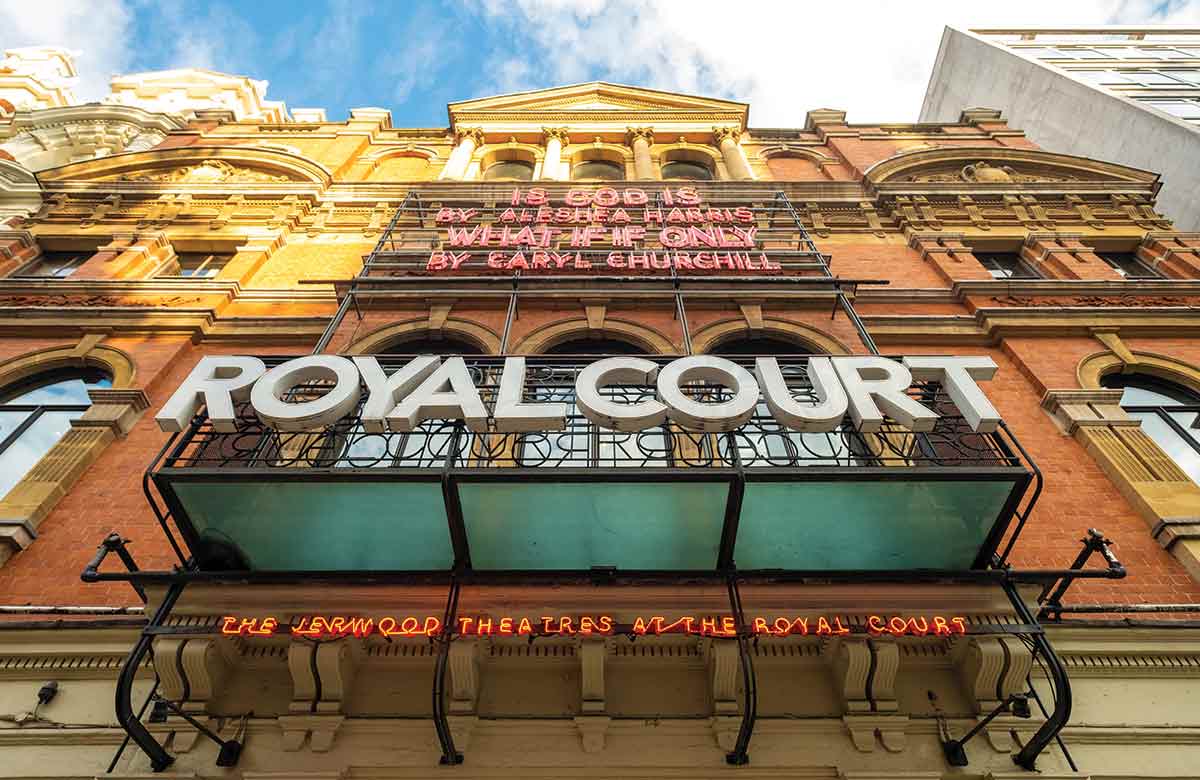
We welcome the London Royal Court’s intention to share resources and strengthen the national pipeline through funding from [the Jerwood Royal Court Commissioning Scheme]. Collaboration of this kind is essential if we are to reverse the wider decline in new play production.
While public funding remains uncertain, our recent trajectory shows that tenacity, ambition and cross-sector support can still create space for new stories.
Pentabus looks forward to working with partners across the sector to build a more resilient and generous ecology for new writing – one that champions artists wherever they live and ensures that new writing, in whatever form it takes, continues to have a vital place on our stages.
Verity Overs-Morrell and Elle While, joint chief executives, Amber Jones, producer
Pentabus
Email address supplied
Continues...
The only disappointing facet of last week’s moving obituary for Sir Tom Stoppard in The Stage was the failure to mention his lifelong love of cricket.
I played alongside Sir Tom for the Bristol Media XI in the late 1950s when we were both tyro journalists on the Western Daily Press. He kept wicket in immaculate ‘whites’, but with black leather boots up to his knees.
I remember one famous encounter with a Bristol Old Vic side that included as their star batsman Peter O’Toole, then straight out of RADA and later both a friend and an inspiration for Sir Tom.When he moved to London, he visited Lord’s Cricket Ground for many years, for both Test and county matches, and included cricket as a metaphor in several of his plays, notably The Real Thing.
Jeremy Brien
West Country theatre reviewer for The Stage for 50 years
Email address supplied
Invest in The Stage today with a subscription starting at just £7.99