


Rethinking the out-of-town try-out: why producers are looking to Singapore
Singapore Repertory Theatre works with wide range of international artists, helping to shape work in a high-quality but contained environment and to give it life beyond the UK




As producers look for new ways to develop, finance and share ambitious work internationally, Singapore is increasingly becoming part of the conversation.
For producers in the UK and US, the idea of developing work beyond traditional pathways is beginning to attract serious interest.
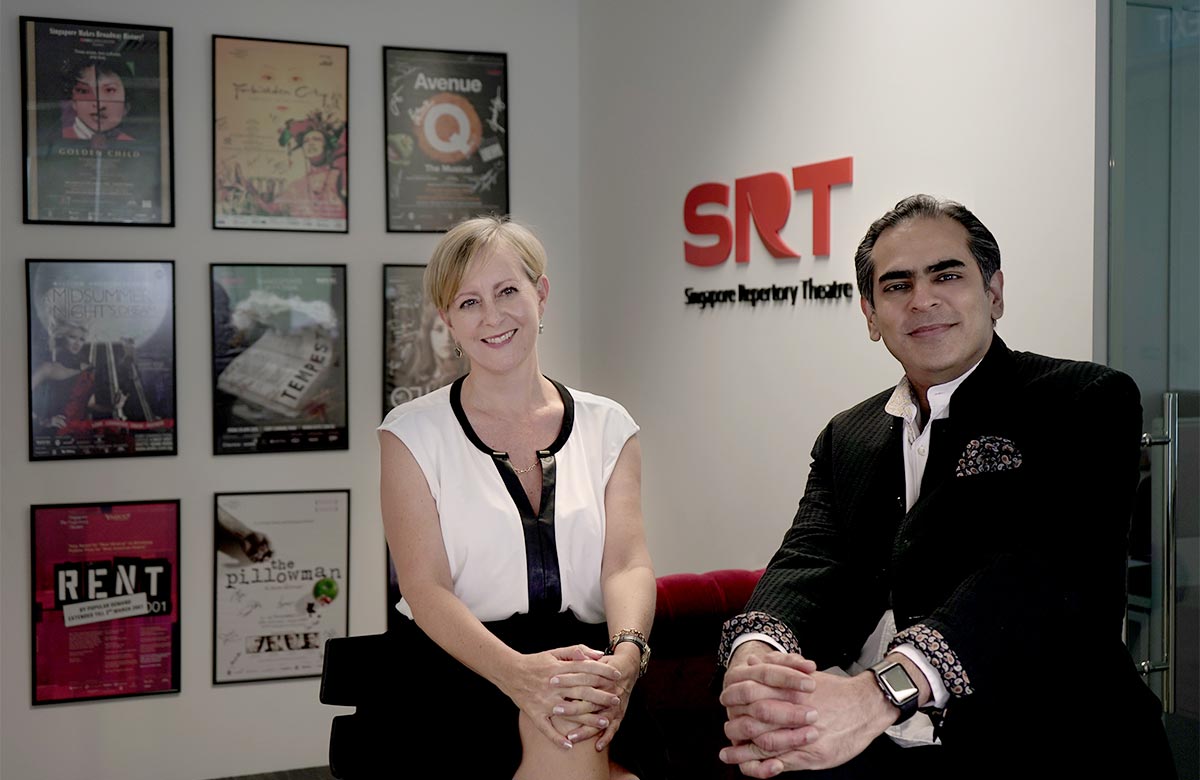
“There is real momentum here,” says Gaurav Kripalani, artistic director of Singapore Repertory Theatre. “Not just in scale, but in the kinds of partnerships that are developing.”
Over the past two decades, SRT has worked with a wide range of international artists and companies, from presenting Ian McKellen in the Royal Shakespeare Company’s King Lear to the National Theatre’s The Curious Incident of the Dog in the Night-Time. Much of this work has been staged in partnership with Esplanade – Theatres on the Bay, the country’s national performing arts centre.
“That history matters,” Kripalani says. “It means we understand both the creative ambition and the practical realities of making large-scale work happen.”
Continues...
What is changing is the level of involvement.
“We’re increasingly part of projects earlier on,” managing director Charlotte Nors adds. “Not just presenting finished work, but also contributing to how it develops.”
That shift is reflected in SRT’s recent co-production of The BFG, alongside the Royal Shakespeare Company, Chichester Festival Theatre, Roald Dahl Story Company and Esplanade – Theatres on the Bay. The production premiered in Stratford-upon-Avon, transferred to Chichester and recently played in Singapore as its only international stop.
“For us, the significance is the model,” Nors says. “Being part of the work from an earlier stage and helping shape its life beyond the UK.”
Part of the appeal lies in Singapore’s audience, which is English-speaking and internationally mixed, with influences from across Asia and beyond.
“That difference can be useful, particularly for work that is intended to travel,” Kripalani says.
There are practical factors too. Singapore offers high-quality venues, established infrastructure, experienced technical teams and a contained environment for visiting productions. Its distance from the UK and US also means that work can evolve without immediate critical attention from those markets.
“That environment can support a different kind of development process – one built around longer-term collaboration, shared learning and broader international engagement,” Nors says.
Continues...
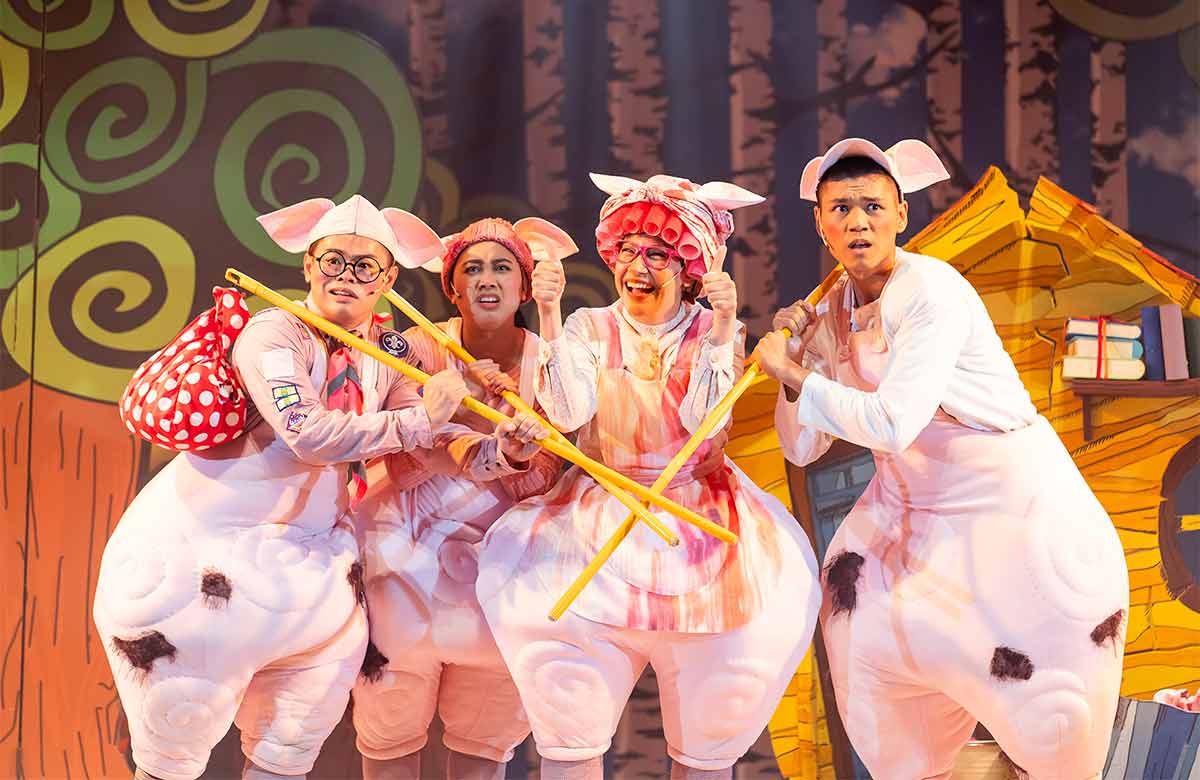
There is also a broader context to how work is made in Singapore. Its theatre sector is relatively compact and outward-looking, with a strong base of local talent collaborating with international teams.
“We are seeing growing interest from international producers in how Singapore companies like SRT, work across cultures, languages and audiences within a compact urban environment like Singapore,” says Serene Lim, Director, Arts Ecosystem Group (Performing Arts), National Arts Council.
She adds: “The National Arts Council hopes to support more of these connections through platforms such as the International Society of Performing Arts Congress, which Singapore is hosting this year, particularly as the global arts sector explores more collaborative and financially sustainable ways of developing and sharing ambitious work across borders.”
For SRT, that also means building Singapore’s own producing capabilities through deeper international exchange, while creating models that allow risk and resources to be shared across territories.
“We look at where we can add value,” Kripalani says. “That might be in development, in production, helping a show connect with audiences beyond one territory, or supporting the show financially.”
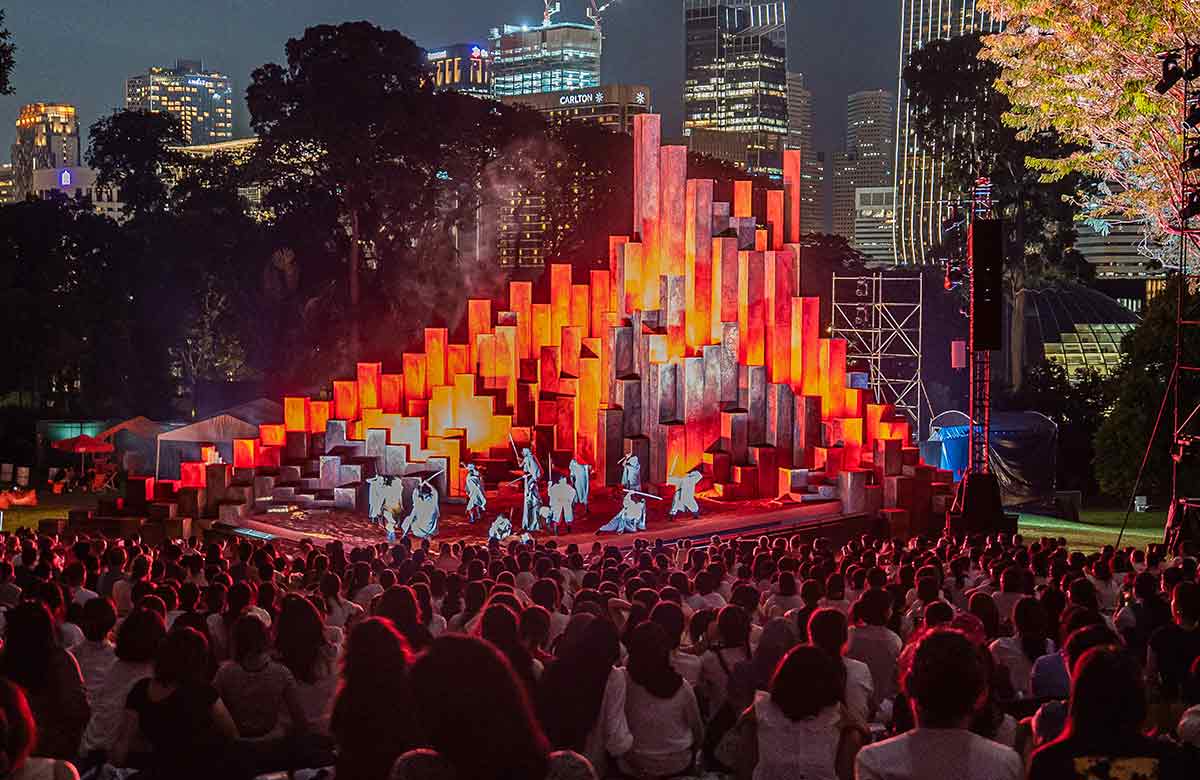
Alongside its international work, SRT continues to invest in its local ecosystem. Its Shakespeare in the Park series has introduced large-scale outdoor productions to broad audiences since 1997, while its education and youth programmes engage tens of thousands of students each year.
For now, Singapore’s role in the development landscape is still emerging rather than established. But for some producers, it is becoming a point of interest.
“It won’t be right for every project,” Kripalani says. “But for certain kinds of work, it can offer something different.”
As production models continue to shift, that difference may become increasingly relevant.
“The goal is not simply to move productions between countries,” Kripalani says. “It’s to build partnerships that allow work, talent and ideas to move more meaningfully in both directions.”



Most Read
Across The Stage this weekYour subscription helps ensure our journalism can continue
Invest in The Stage today with a subscription starting at just £7.99

© Copyright Playbook Media Trading Company Limited 2026


