


Inside Plann: building the theatres of dreams
Plann is now a 14-strong team helping theatres across the UK conceive and build their dream spaces. Its founder Jack Tilbury explains how the business originated, and its recent portfolio highlights


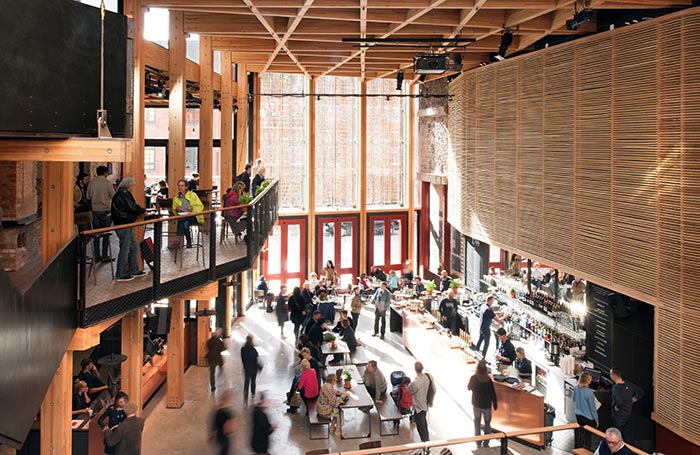
Across 14 years and some of the biggest theatre infrastructure projects in the country, involving hundreds of millions of pounds and thousands of people, project management consultancy Plann has never allowed an opening night to go up late.
That’s not luck, explains founder Jack Tilbury, but a mark of the skill and care that Plann applies to the capital projects they work on – “we would never allow the artistic team to programme a show before being absolutely certain of the completion date of the works” – as well as the lingering instinct of a former production manager who began his career knowing a show simply could not go on late. “That mentality never leaves you: the sense that you are part of this slightly chaotic, completely brilliant world where people will do whatever it takes to get the curtain up. We like to say we are theatre people doing capital projects.”
Tilbury trained in technical theatre at Rose Bruford before a decade spent touring, building scenery, lighting shows and production-managing new writing. “I had the classic jack-of-all-trades apprenticeship,” he says. “You learn how theatre really works because you have your hands on everything.” Soon, he was looking for a new direction, but wanted to stay inside the industry he loved. A job advertisement for a theatre consultant caught his eye. “I applied even though I had absolutely no idea what a theatre consultant did.”
He quickly discovered the answer. “Architects don’t know what a props table is. Engineers don’t know how to design a flytower. Someone has to protect the practical needs of theatremaking in the middle of a construction process. That is the role.” The work opened a new world for Tilbury and eventually led him to co-found Charcoalblue, which soon became one of the most influential theatre consultancy practices in the world.
Continues...
But throughout these projects, Tilbury started to see problems recur. “As a consultant, you design but you do not control the project. I spent years sitting in meetings watching things that I knew would turn into problems down the line. You can see the project manager does not understand the theatre context or the client does not quite grasp the risks they are being exposed to, but it is not your role to step in.” He felt theatres were too often left exposed, with projects running over budget or behind schedule.
There was a crucial role missing, he realised, one that acted as a bridge between the needs of the theatre and those of the people building it. In 2011, he decided to set up his own company, Plann, to establish and offer the role of project director for theatre Capital Projects.
Tilbury describes the project director as the client’s strategic lead. “You work at board level. You help write the brief. You help set the budget. You make sure the client is prepared and professional. You guide them through procurement. You make sure the design works. And then you support the client team up to opening night. The role is distinct from that of the construction project manager who handles day-to-day co-ordination. “We often do both, but the project director is the guardian of the client’s vision.”
Continues...

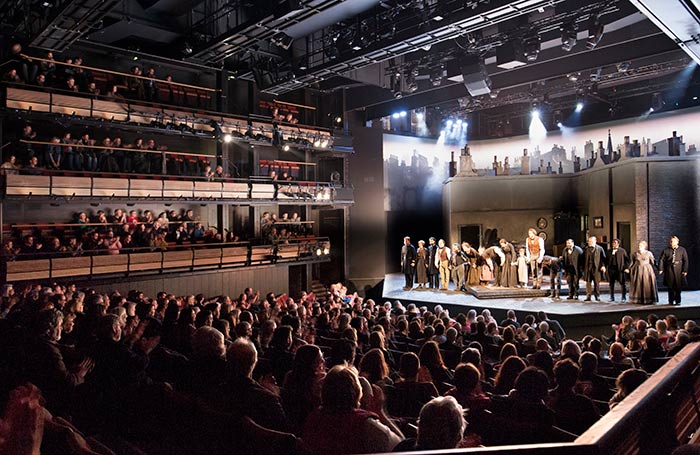
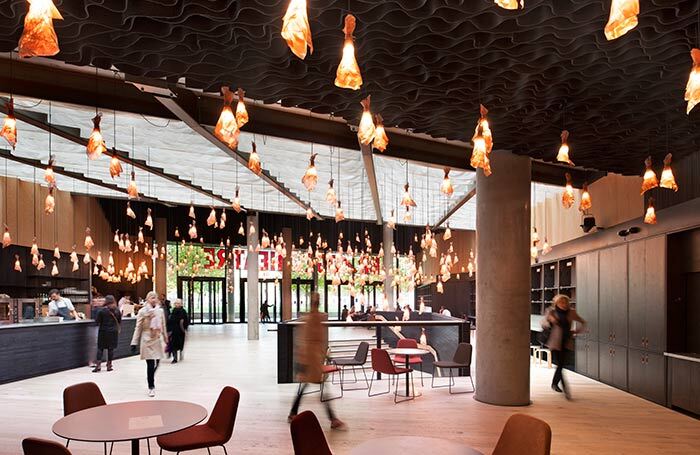
Plann has since worked on many of the UK’s most significant projects, including the Bridge Theatre, which Tilbury calls one of his proudest achievements. “The building was designed by Haworth Tompkins, who understand theatre instinctively, always starting from the inside out – first the stage, then the audience, then the building. The entire auditorium was built using off-site fabrication, which had never been done before on that scale. With Nick Starr and his team, we delivered it in two years from feasibility to opening night. It is a building that has genuinely changed the landscape.”
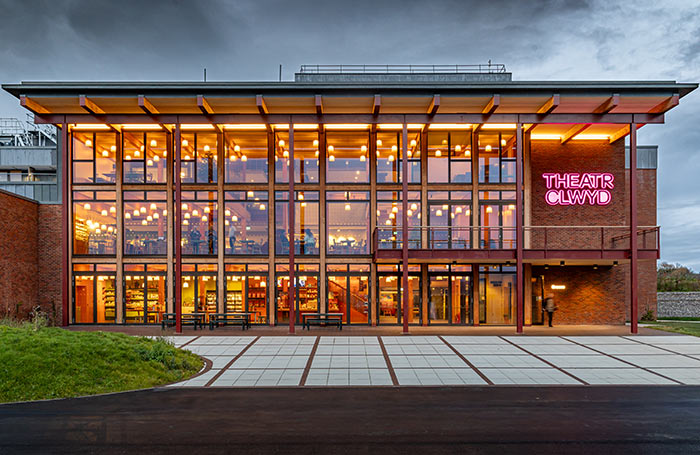
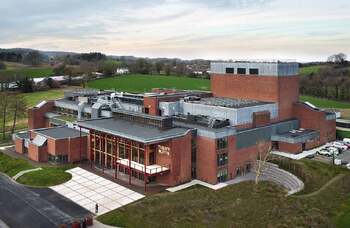
Plann is now a team of 14, with half coming from a theatre background. Other major projects include Bristol Old Vic, Sadler’s Wells East, Soho Theatre Walthamstow, and Theatr Clwyd’s extensive renovation, which opened a few months ago. But other work is less visible: critical infrastructure upgrades and complex works within historic West End theatres where ageing plant, wiring and roofs urgently need renewal. “No one cuts a ribbon for a new air-handling unit,” Tilbury says. “But that is the work that is being funded right now because so many buildings from the 1970s and 1980s are reaching the end of their life. We often write hour-by-hour schedules for when contractors can make noise because the show still has to go on every night.”
Tilbury worries that the need for infrastructure upgrades now vastly outstrips the money available, putting buildings at risk in coming years. In May 2025, Arts Council England announced a fund of £85m to go towards repairs and upgrades of arts buildings. “It’s been rumoured that there were £700m worth of applications,” he says.
Even when working on a vast scale, Tilbury insists the motivation remains simple. “I still feel incredibly privileged to help theatre people create the conditions that let the art happen. We may be dealing with procurement, contracts, structural engineers, compliance and a lot of paperwork” – often 200 drawings and 400 pages of specifications per project – “but at the end of the day it is all in service of that moment when the lights go down.”
For more information, go to plann.co.uk





Most Read
Across The Stage this weekYour subscription helps ensure our journalism can continue
Invest in The Stage today with a subscription starting at just £7.99

© Copyright The Stage Media Company Limited 2026


