


Darren Henley: Why we took these theatre funding decisions
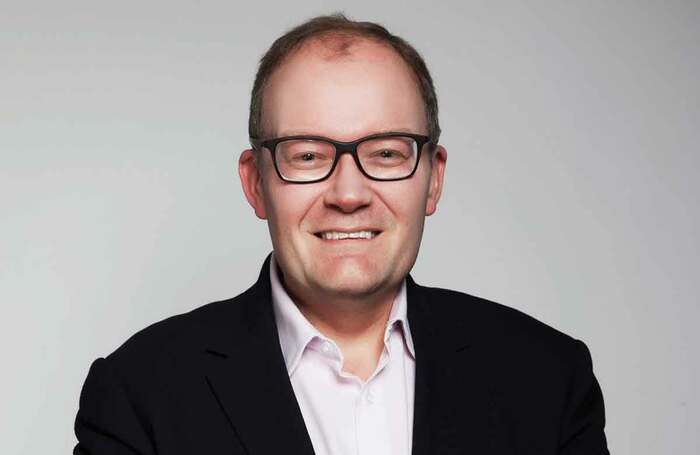
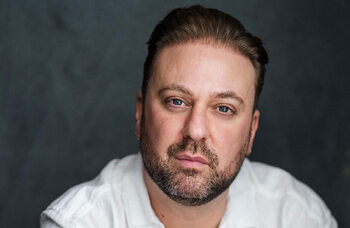
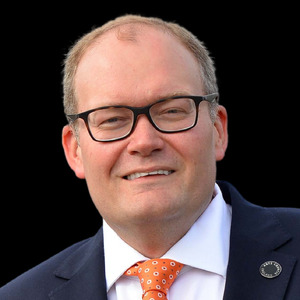 Darren Henley
Writing exclusively for The Stage, Arts Council England boss Darren Henley outlines why the funding body took the decisions announced today for England’s theatre sector


Theatre in this country prides itself on being inclusive. That quality is reflected in the staggering variety of stories brought to life on our stages every day, and in the biographies of all those – from producers to actors to writers – who together make our industry the envy of the world. The magic of theatre is felt by everyone – from a wide-eyed child shouting “behind you” at a panto, to a teenager watching their GCSE set texts made flesh, or indeed any one of us who takes our seat and, as the hush descends, awaits the first words of a performance. Inclusivity and excellence are not mutually exclusive when it comes to theatre: they are part of its history and its future.
Today, Arts Council England has announced how it will be investing in theatres, arts organisations, museums and libraries over the next three years. The decisions we have taken are rooted in our 10-year strategy Let’s Create. That strategy was a collaborative work: we listened to what thousands of people up and down the country told us about what they wanted from the creative and cultural sector they fund through their taxes and the National Lottery tickets they buy. The overwhelming answer was to experience the very best of art and culture closer to home, and the chance for talent to flourish everywhere.
Our investment in theatre and theatre companies will rise to £111.9 million a year – about £9 million more than the current level. That means more money for theatre in places where, for too long, our investment has been too low. It will mean investing in work with, by and for children and young people, bringing on new talent and helping to shape a new generation of theatremakers in this country. It means a fairer spread of our funding across England. The speed at which we are making these changes may have been accelerated by the instruction we received from the government earlier this year, but our drive to shift the balance of our investment from London to the rest of England is nothing new.
Inevitably, that means we have had to take difficult decisions in London. Those theatres and theatre companies that will lose our investment are valued by their audiences and for their contribution to the art form. And there will be help available to them through our transition funding over the next year. It also means disruption and shock for those personally affected by the tough choices we have had to make.
At the same time, we are making sure that London’s vibrant and creative theatre scene remains strong, productive and innovative. The relationships and networks between small, medium and large theatres and theatre companies – which are so important to the overall health of London’s theatre landscape – will be maintained. In doing so, writers, directors, designers, producers and actors will still have platforms to develop their craft and present their work throughout their careers. This will allow the continued flow of talent to the commercial sector, which relies on the foundation of the theatres we invest in.
Theatre in London is often seen as rooted in the West End and inner London, and we are proud to invest in iconic names such as the National Theatre, Young Vic and Royal Court. Our funding in the capital over the next three years will also see us invest in theatre companies doing interesting and exciting work away from the centre. There is regular funding for Tara Theatre in Wandsworth, which champions South Asian voices and artists; more money for Queen’s Theatre in Hornchurch, which welcomes 200,000 visitors a year, including those taking part in its learning and participation projects. We are also proud to be investing for the first time in award-winning organisations such as the playful and innovative Zoo Co, based in Croydon, and HighRise, which gives young people a place to perform and tell the stories that matter to them.
We are supporting the vitality of the theatre scene at every level outside of the capital, too. That investment includes theatres and companies with incredible reputations for quality, such as those in Sheffield, Liverpool and the Royal Shakespeare Company in Stratford-upon-Avon. Our investment is also ensuring there are pathways for talent to be developed. That work starts with children and young people being nurtured. It includes our funding of theatre made with, by and for young people – such as the exciting work being done by Mortal Fools in Northumberland and Zest Theatre in Lincoln.
As well as making sure that young people get the opportunities they need and deserve no matter where they live, this investment will deliver on another promise that we made in Let’s Create: it will help to deliver high-quality culture in villages, towns and cities across England. Over the next three years, 36 of the theatre companies and theatres receiving regular investment are in areas of the country where in the past our investment has been low – what we call our ‘Levelling Up for Culture Places’. It includes North Devon Theatres, which runs the Queen’s Theatre in Barnstaple and the Landmark Ilfracombe, and their sister theatres on the other side of the country in Peterborough. The Old Courts in Wigan will also receive funding, as will the Shakespeare North Playhouse in Knowsley, just down the A571.
Areas of historically low funding will also benefit from visits by touring organisations, with many of the companies receiving our investment pledging to increase their work in those parts of the country. Many established London touring organisations have also opted to transfer out of the capital, but we are continuing to support the rich touring offerings based in London, too. We are also welcoming new names among the touring companies based elsewhere in the country, such as Scottee and Friends, Northern Lines and Ad Infinitum. They are known for both their brilliance in the work they produce and their ability to attract new audiences to the theatre.
Theatre being inclusive and welcoming to everyone is part of its tradition. Shelagh Delaney, the playwright, was questioned early in her career about whether she agreed with theatregoing being a middle-class habit. She replied that the working classes had supported theatregoing since Elizabethan times, saying: “Give them good and well-publicised plays and they will go to the theatre.” What I would say is that everyone deserves great theatre, and you deserve the inspiration, excitement and sheer joy it can bring, wherever you live and whatever your backstory.




Opinion
Recommended for you



Advice
Recommended for you
Most Read
Across The Stage this weekYour subscription helps ensure our journalism can continue
Invest in The Stage today with a subscription starting at just £7.99

© Copyright The Stage Media Company Limited 2026


