


BECTU and Equity criticise 'shameful' BBC government deal


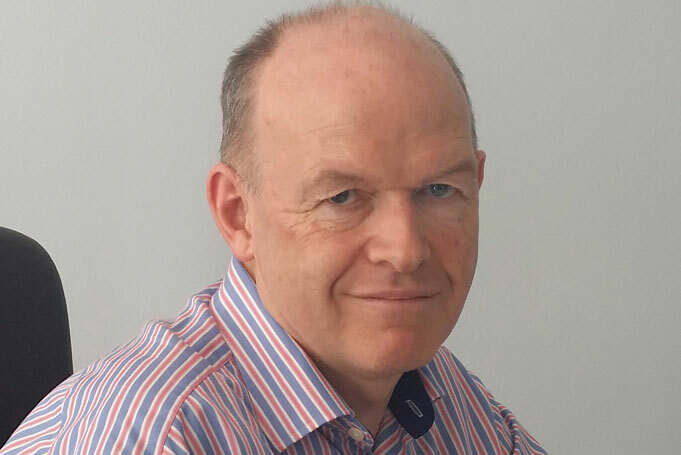
BECTU general secretary Gerry Morrissey has condemned the BBC’s recent deal with government as outlined in the summer budget, describing it as a “shameful settlement”.
As part of the new Conservative government’s first budget chancellor George Osborne confirmed that the Corporation will foot the bill for the cost of the licence fee for over-75s.
This will be phased in from 2018/19 with the BBC taking on full costs from 2020/2021.
The Office for Budget Responsibility has calculated that this will see the BBC’s spending fall by around 20% in real terms over the next five years.
Morrissey said: “I am extremely disappointed that the BBC director general and senior management team think it is acceptable to give away 20% of their income to support government welfare policy without any consultation with viewers, listeners of staff.
“BECTU is determined that our members will not pay for this incompetence with their jobs. We intend campaigning between here and the implementation of the over-75s proposal to ensure that it’s an issue at the next election. The British economy will suffer because the BBC is the engine room of all that is great about British TV and film. We will be raising awareness on the economic consequences of this shameful settlement,” he added.
However, a spokesman for the BBC denied the deal would cause a fall in BBC funding, and told The Stage the “cash-flat settlement” would allow the BBC to increase the licence fee in-line with inflation, and close the loophole that currently means viewers who only watch catch-up programmes online do not require a TV licence.
As part of the agreement the government said the fee cost for all other licence fee payers will rise in line with inflation over the next charter review period. This follows a policy outlined by the Conservatives ahead of the election which pledged to freeze the licence fee cost at £145.50 “pending charter renewal”. The current charter comes to an end on December 31, 2016.
Following the agreement, BBC director general Tony Hall said the Corporation had secured “the right deal”, which would secure “the long-term funding for a strong BBC over the next charter period.”
Responding to Osborne’s budget announcement, Morrissey also criticised government plans to introduce a national living wage, which will start at £7.20 and will rise to £9.00 an hour by 2020, replacing the national minimum wage.
He said the plans fell “well short” of aspirations, adding: “The proposed rate for 2020 is below the current living wage rate for London. It’s impossible for workers in the arts to live on these rates and BECTU will continue to campaign for a wage that workers in our sector can live on.”
“It is a disgrace that broadcasters, West End theatre producers and multi-national film producers find it acceptable to pay telephone number salaries to their senior management but resist BECTU campaigns for workers to be paid fairly. The fight goes on,” he added.
Other measures announced by Osborne included welfare cuts such as removing housing benefit for under-21s and freezes on benefits such as tax credits and local housing allowance.
Equity assistant general secretary Martin Brown said: “Reductions in tax credits and housing benefit could hit Equity members hard and those living in local authority properties in London could be hit by the changes to market rent. The cost of over-75s TV licences being borne by the BBC is also of serious concern as the loss of income could impact on employment at the BBC.”
Arts Council England chief executive Darren Henley said the organisation would “continue to underline to the government the vital importance of investment in arts and culture, which brings a huge return to our economy and society”.
“From the economic benefits of regeneration, tourism and our creative industries, to our children’s education and our health and wellbeing, sustained investment in arts and culture pays enormous dividends to all of our lives,” he added.

More about this organisation

Production News

Recommended for you


More about this organisation
Production News
Recommended for you
Most Read
Across The Stage this weekYour subscription helps ensure our journalism can continue
Invest in The Stage today with a subscription starting at just £7.99

© Copyright The Stage Media Company Limited 2026


