


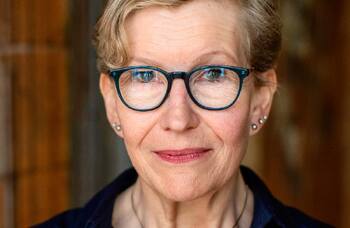
Laurie Sansom: ‘I was unapologetically myself and made some of them laugh’
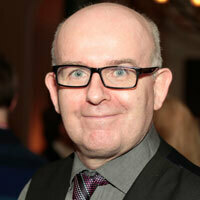 John Byrne
The director tells John Byrne how unsuccessful interviews and seemingly aimless conversations helped mould his career


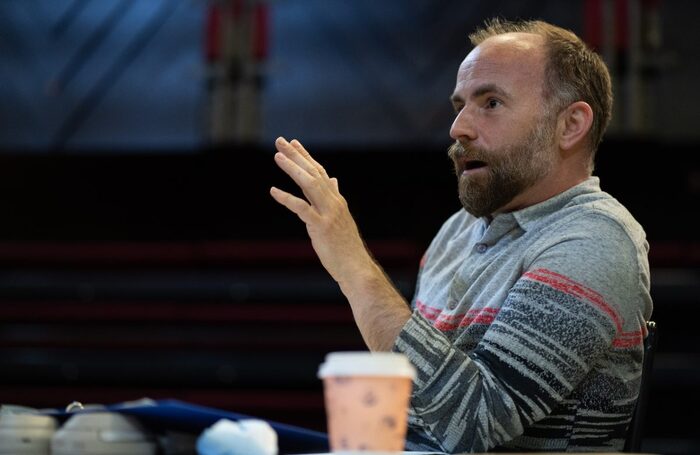
Straight out of university, I was struggling to get anywhere, and for 18 months worked as a storyteller in south London schools. I applied for the Regional Theatre Young Director Scheme (RTYDS) and on the interview panel was the fabulous Annie Castledine, smoking like a chimney. She even gave me a ciggie to calm my jangling nerves. I crashed and burned in the interview, but she took time to write a letter afterwards that encouraged me to carry on. On the second attempt, I gave a much better account of myself but was pipped to the post. I thought that might be my one shot.
Back in the day, the Arts Council ran a parallel scheme. Walking in to confront a panel of six artistic directors and three members of the Arts Council, I thought all bets were off. It made me relax. I become a bit fatalistic about the whole thing. I was just unapologetically myself and made some of them laugh.
I clicked instantly with Giles Croft, who asked me to join him at the Palace Theatre, Watford. I assisted many brilliant people, but it was Giles, who was thoughtful and passionate about the work, who gave me more responsibility than I really deserved, asking me to direct my first professional production: Alan Ayckbourn’s Absurd Person Singular.
During my year in Watford, I learned how to make actors feel like equal collaborators. Being an assistant allowed me to sit back and notice how a note landed and to develop a better understanding of how different actors experience the creative process. Once, an actor took offence to being called in earlier than the rest of the company over the Tannoy, confronting me explosively in the theatre bar. I didn’t handle it well, but it made me consider how best to communicate with a company at vulnerable moments. I also learned how to hide my inner panic after wobbly dress rehearsals.
Looking back, it was interviews for jobs I didn’t get and conversations that seemed to go nowhere that were often the most significant. I met some incredibly generous people who put their faith in me beyond what could be expected, such as Nica Burns, Alan Ayckbourn and Nick Hytner, to name just a few.
Today, it’s essential that there are avenues for directors to develop their craft and create their own projects that don’t rely on personalities clicking. Instead, we need a strong ecosystem of scratch nights, studio shows and well-funded artist development programmes across the country as well as flagship schemes such as RTYDS to ensure opportunities are equitably available. Those of us lucky enough to have built careers have the responsibility to create spaces in which theatre artists who are starting out can thrive.
CV: Laurie Sansom
Age: Undisclosed
Trained: Jesus College, Cambridge
Theatre director credits include: The James Plays, The Driver’s Seat (writer and director), The Prime of Miss Jean Brodie, Spring Storm, Beyond the Horizon, The Bacchae, Blood Wedding, Hedda Gabler
Positions held: Artistic director at Northern Broadsides (current), artistic director at National Theatre of Scotland, artistic director at Royal & Derngate, Northampton, associate director at Stephen Joseph Theatre, Scarborough


Opinion
Recommended for you


Advice
Recommended for you
Most Read
Across The Stage this weekYour subscription helps ensure our journalism can continue
Invest in The Stage today with a subscription starting at just £7.99

© Copyright The Stage Media Company Limited 2026


