


Producer of the Year
The winner and shortlist for the Producer of the Year category at The Stage Awards. Sponsored by 3 Mills Studios


Any producer or non-building-based performing arts organisation in the UK is eligible, including commercial, not-for-profit and fringe producers and production companies. Judges will consider all of the factors mentioned above – artistic excellence, strong financial performance, innovative business practices, fair employment/workforce conditions and a commitment to sustainability – when considering submissions.
Winner
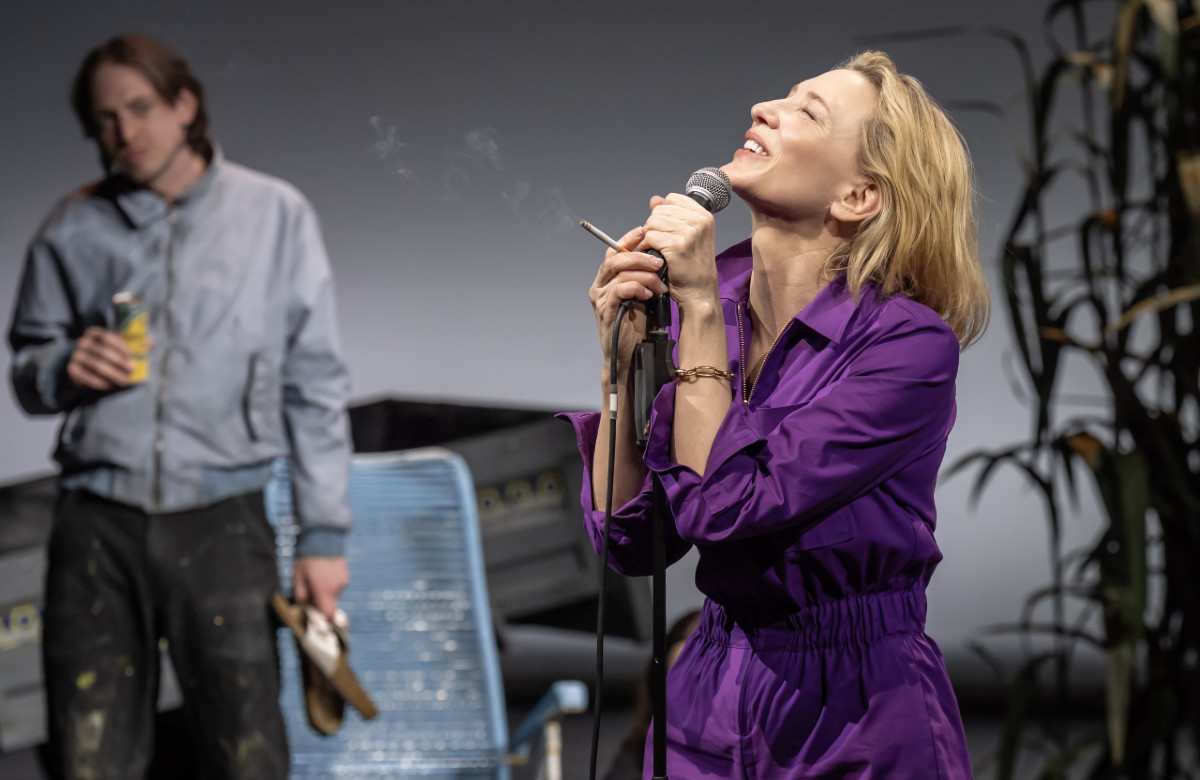
Wessex Grove
Its programming has excited audiences and critics alike, but judges were also impressed by the way commercial producer Wessex Grove has championed vital industry issues.
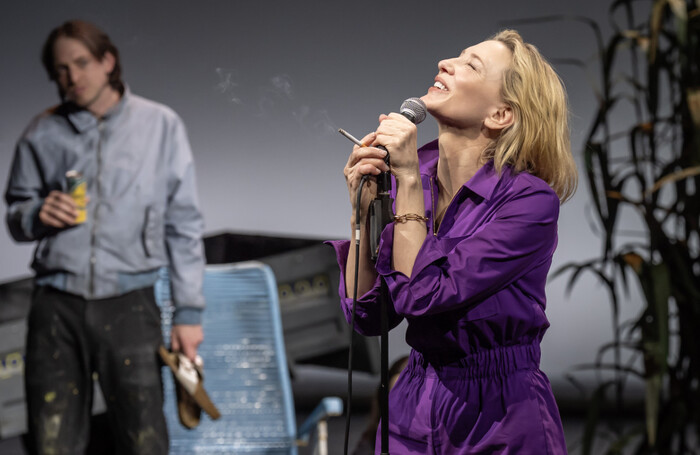
The company’s stellar year started with its sell-out production of The Seagull at the Barbican Theatre, led by Cate Blanchett and Tom Burke. This was followed by the New York transfer of Vanya starring Andrew Scott, which won a host of awards following its London success. Meanwhile, critics have raved at the company’s current production of All My Sons, Wessex Grove’s third collaboration with Belgian director Ivo van Hove
The producer has also championed new work in the West End – it was responsible for bringing Samuel D Hunter’s play Clarkston to the Trafalgar Theatre, and fresh from New York, Oh, Mary! opens this month.
Alongside its productions, Emily Vaughan-Barratt, producer at Wessex Grove, has championed an industry-wide focus on women’s health. The year-long project involved working with groups that explored how menstruation, infertility, pregnancy, baby loss and menopause impact working lives in theatre.
The findings and recommendations were presented in London in October, and the Women’s Health in Theatre report forms the basis of the roll-out of new policies to improve theatre employers’ approaches to women’s health in the workplace. It’s an extension of the company’s ongoing partnership with Applause for Thought, which provides mental health and well-being support to all who work with them.
Wessex Grove is a producer fizzing with energy, hitting the spot with its programming and demonstrating both heart and brains in its relationship with communities and freelancers.
Shortlist
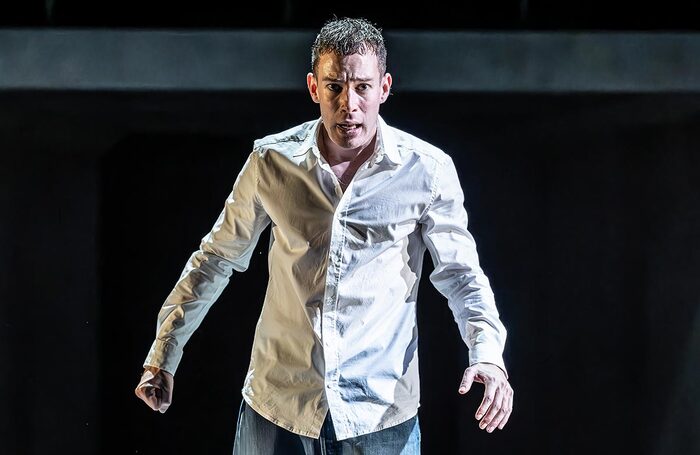
KPPL Productions
This category presented judges with a field of brilliant, tenacious individuals and teams: among the gems, KPPL Productions stood out for the way the company has transformed the dialogue with commercial theatre investors into one of philanthropy.
KPPL supported James Graham’s Punch from development to its staging at Nottingham Playhouse in 2024, then on to the Young Vic and into the West End in 2025. Helmed by Kate Pakenham and Phyllida Lloyd, KPPL has given wings to the campaign that is the legacy of the real-life events behind the show. Alongside the run, Jacob Dunne – whose memoir Right from Wrong inspired the play – launched the Right to Be Heard campaign, advocating for greater access to restorative justice.
The production backed the campaign, hosting a special performance for charities and community groups, leading to Punch being cited in the House of Commons. Central to the West End model was collaboration with 11 charity partners, which embedded social justice expertise into wraparound work and deepened audience engagement. The Forgiveness Project curated weekly post-show conversations exploring masculinity, inequality and the justice system. Meanwhile, £10 performances for schools and community groups were built into the business model, and a partnership with Go Live Theatre ensured tickets reached disadvantaged students – 39% of whom were first-time theatregoers. To fuel further life for the play and ensure young people engage with it beyond the production run, KPPL has pledged its profits to furthering this aim, with Graham also giving his royalties to the same ends. Investors have also been invited to commit profits to future charitable work linked to the production.
This model has attracted new theatre investors and converted existing investors into philanthropists, uniting financial and social purpose and proving that socially engaged work can succeed financially in the West End.
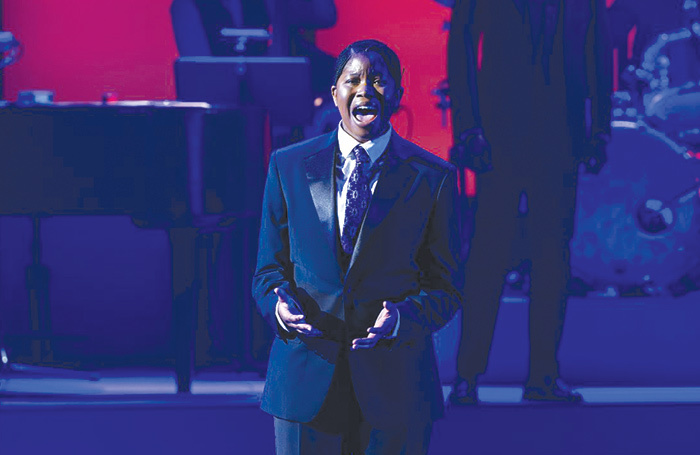
Talawa Theatre Company
The UK’s leading black British theatre company had an exceptional year, delivering on its Arts Council England funding uplift by stretching its ambitions around both artistic output and community engagement.
Talawa Theatre Company’s Black Joy season, with a reported £1.2 million turnover, is the largest season of work in the company’s near-40-year history. Across five shows, touring to seven UK regions and working across eight co-production partnerships, this year’s offerings have received warm reviews for their celebration of creativity, resilience and community. The company is proud, too, of its employment of more than 250 creatives, with 92% identifying as black or from under-represented backgrounds.
The expansion has not only been artistic, it has also been civic: engagement workshops and community events have reached more than 1,000 participants through education, training and creative residencies. But it’s been when external events have been most testing that Talawa has demonstrated its own take on resilience and community-building.
During a summer marked by racial tensions, Talawa ramped up coaching and well-being support throughout rehearsals and touring, helping artists to care for themselves and each other. It also embedded drama therapist support across all its talent development programmes and created Talawa’s Wellness Initiative – a two-year research project engaging artists, participants and staff to build a framework for inclusion and well-being across all the company’s activity.
Talawa’s measurable outcomes in creative ambition and community engagement demonstrate a producing company that continues to contribute to British theatre through celebrating black excellence and collective joy.
Wessex Grove
Its programming has excited audiences and critics alike, but judges were also impressed by the way commercial producer Wessex Grove has championed vital industry issues.
The company’s stellar year started with its sell-out production of The Seagull at the Barbican Theatre, led by Cate Blanchett and Tom Burke. This was followed by the New York transfer of Vanya starring Andrew Scott, which won a host of awards following its London success. Meanwhile, critics have raved at the company’s current production of All My Sons, Wessex Grove’s third collaboration with Belgian director Ivo van Hove
The producer has also championed new work in the West End – it was responsible for bringing Samuel D Hunter’s play Clarkston to the Trafalgar Theatre, and fresh from New York, Oh, Mary! opens this month.
Alongside its productions, Emily Vaughan-Barratt, producer at Wessex Grove, has championed an industry-wide focus on women’s health. The year-long project involved working with groups that explored how menstruation, infertility, pregnancy, baby loss and menopause impact working lives in theatre.
The findings and recommendations were presented in London in October, and the Women’s Health in Theatre report forms the basis of the roll-out of new policies to improve theatre employers’ approaches to women’s health in the workplace. It’s an extension of the company’s ongoing partnership with Applause for Thought, which provides mental health and well-being support to all who work with them.
Wessex Grove is a producer fizzing with energy, hitting the spot with its programming and demonstrating both heart and brains in its relationship with communities and freelancers.
Winners will be announced at The Stage Awards at the Royal Opera House on January 12. Tickets are available to purchase by contacting Sarah DuMay sarah.dumay@thestage.co.uk.
Last Years's Winners
Michael Harrison Entertainment
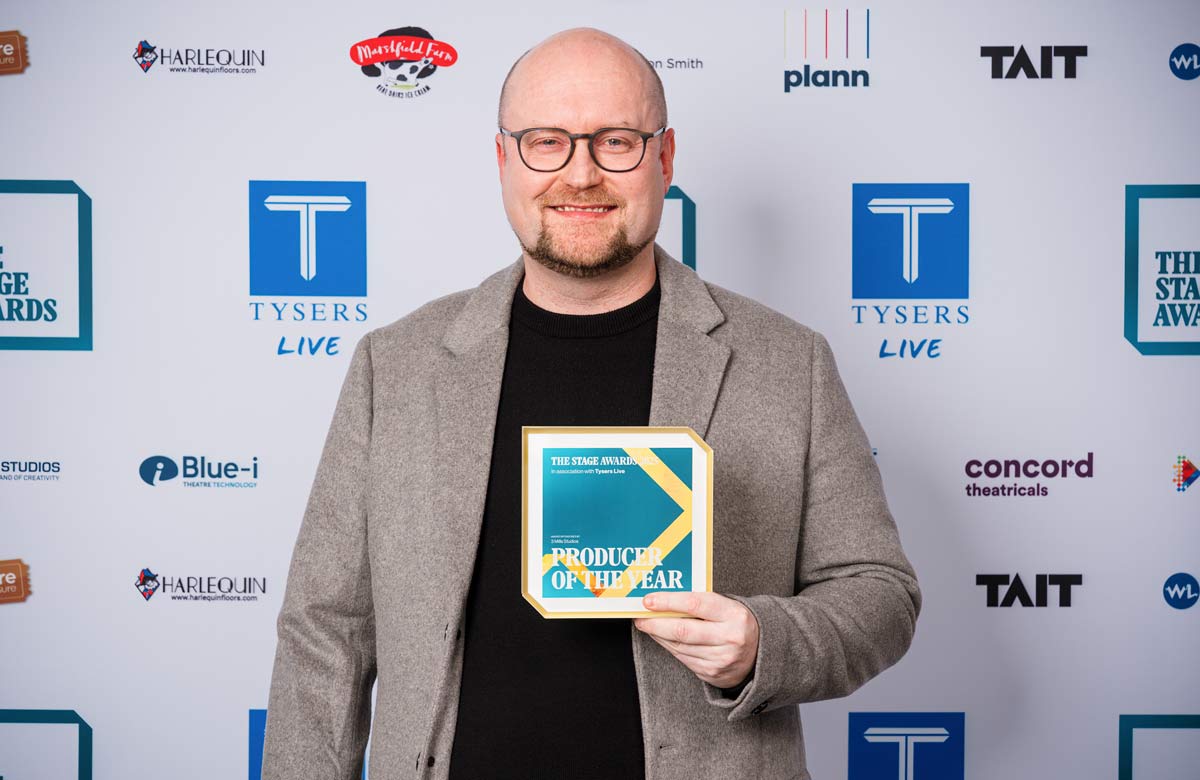
Michael Harrison accepts the Producer of the Year award
The Stage Awards

© Copyright The Stage Media Company Limited 2026


