


London venue leaders: Industry must improve diversity to avoid pipeline collapse


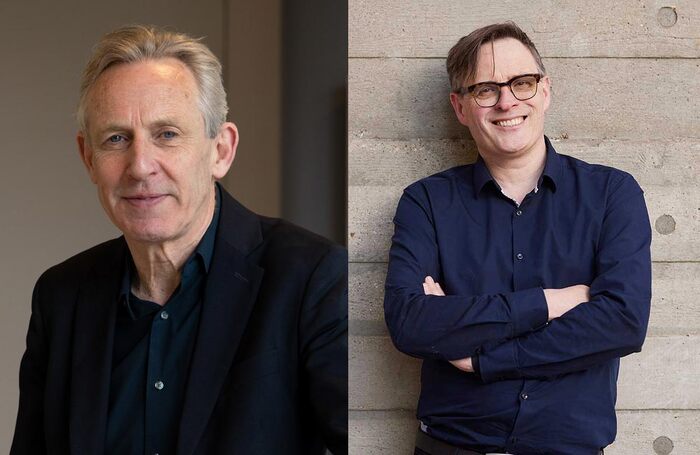
Industry leaders including Sadler’s Wells boss Alistair Spalding have warned that major progress in terms of diversity must be made if the industry is to safeguard its threatened talent pipeline.
Spalding said the pipeline of dance talent was in “jeopardy”, calling on organisations to make a change by ensuring their workforces “reflected” the local population.
Meanwhile, Southbank Centre leader Mark Ball called on all venues, including his own, to “address” their predominantly “white” and male technical teams – an area of the sector he said was being particularly affected by a “brain drain”.
The pair were speaking at a panel entitled Building Tomorrow’s Workforce: Creative Skills for the Future Economy at the Cultural and Creative Industries Pavilion, a set of policy discussions from industry leaders delivered at the Labour Party Conference.
Having summarised Sadler’s Wells’ work with young dancers, including new hip-hop course Academy Breakin’ Convention, Spalding said: “The danger, the jeopardy is in the pipeline, way before they get to us.”
The risk, he continued, was to dance in schools, caused by funding squeezes – but he added that problems were now “creeping in to out-of-school activity”, citing the National Youth Dance Company, which recently had its funding pulled.
“So there’s a jeopardy in terms of how people come across this as a thing to do,” Spalding continued. “We need to really be aware of that, otherwise we won’t have the fantastic array of artists we have at Sadler’s Wells, who were developed 15 years before when there was proper investment in both of those areas.”
Continues...
Related to this article



Later in the discussion, the artistic director suggested that the way to tackle this danger was “to make sure that people across the organisation also reflect [the culture]”.
Referring to the organisation’s new venue Sadler’s Wells East, he said: “We made a commitment that 50% of the people working in that theatre should be from around the borough.
“It’s about making sure it’s a welcoming place when you get there so [people] don’t think ‘I don’t belong here’, and move on. There’s some radical change that needs to go on if you want to change the pipeline.”
Ball spoke urgently about a need to diversify the technical industries, flagging escalating skills shortages in the area as a significant concern and – like Spalding – drawing attention to shrinking creative provisions in schools.
“Accelerated by the pandemic, we saw a brain drain from the live events industry of technicians and lighting engineers, sound engineers etc, often to film and television which was paying more – and a lot of them haven’t come back,” Ball told the panel.
“It’s probably amplified by the collapse of cultural education in schools, and the myth that careers in creative industries are not viable, which is something that I think we have to challenge.”
Ball continued: “[The Southbank Centre does] feel...a huge responsibility to develop the pipeline. And also, in an organisation like the Southbank in the centre of London, a real responsibility that our organisation looks like the place that we are based in.
“It’s not just addressing workforce development, it’s addressing diversity and our technical and production team.
“The vast majority is male and white and I think that’s replicated across theatres and across venues across the country. I think that’s something we absolutely need to address.”



Production News

Recommended for you


Production News
Recommended for you
Most Read
Across The Stage this weekYour subscription helps ensure our journalism can continue
Invest in The Stage today with a subscription starting at just £7.99


© Copyright The Stage Media Company Limited 2026


