


Scottish theatre needs ‘long-term strategy’ to fend off ‘exhaustion’ – report



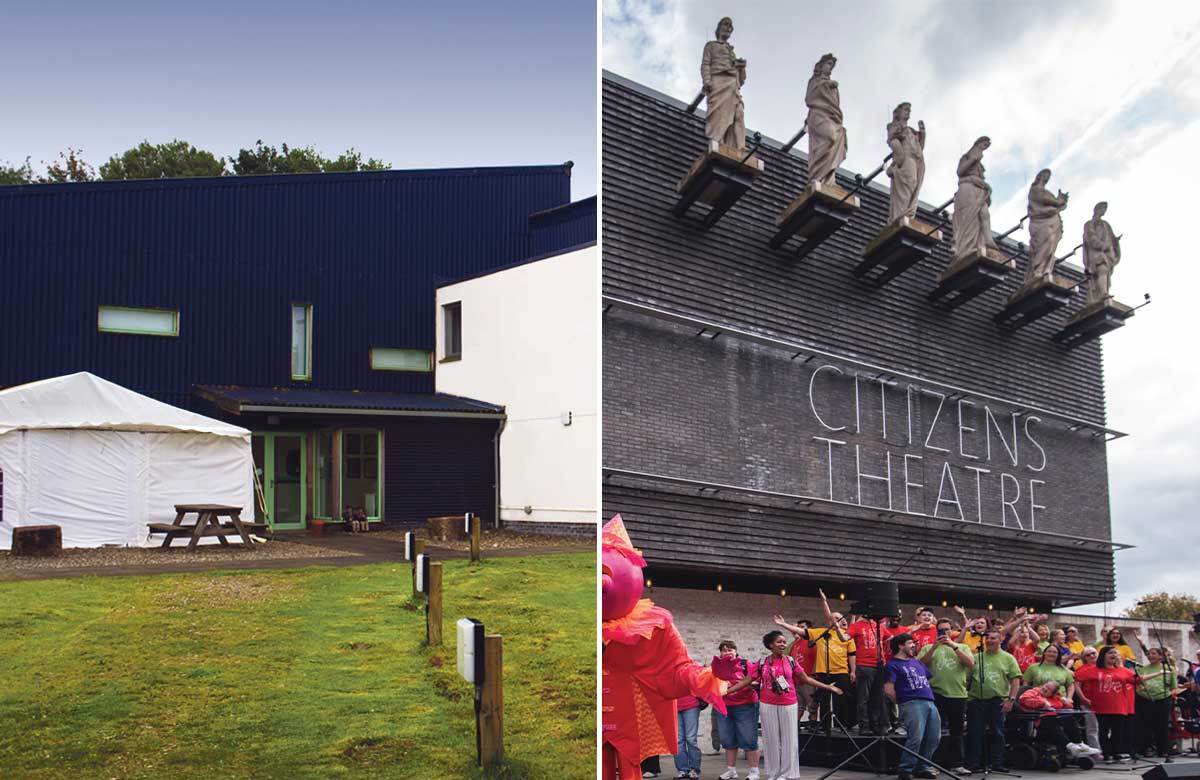
A “long-term” strategy to combat a "widespread sense of exhaustion" in the Scottish theatre sector has been recommended in a new report.
The report, published by An Tobar and Mull Theatre and based on talks held at the State of the Nation conference hosted at Glasgow’s Citizens Theatre in October, claims that Scottish theatre is at “a pivotal moment” due to “financial pressure, organisational fragility and heightened expectations”.
Rebecca Atkinson-Lord, artistic director and chief executive of An Tobar and Mull Theatre, said: “The conversations begun through State of the Nation show the extraordinary potential that is unlocked when a sector comes together with a shared determination to shape the future.”
Continues...
Read More
The report identifies nine “themes” from the event, including a “widespread sense of exhaustion” and “desire for renewal”, a wish for “greater trust, transparency and clarity”, a frustration with the lack of support for freelancers and “a strong appetite for collaboration".
Other “themes” include a frustration with the “economic and instrumental” framing of the value of theatre in “national conversations”, a lack of infrastructure away from Scotland’s central belt, increased strain among organisational leaders and a concern over declining arts journalism.
The report states: “If the structural pressures identified… are not addressed, Scotland risks losing significant cultural, social and economic value generated by its theatre sector.”
The report makes 11 recommendations, including the introduction of “a long-term, coherent framework shaped collectively by the people who make and sustain Scottish theatre".
It suggests that such a framework could be produced by a “representative working group” that would consult across the industry and “produce a draft strategy for consultation within 12 to 18 months".
The report also recommends establishing “a national, searchable directory of rehearsal spaces, studios, technical equipment, desk space training opportunities and specialist support”.
Other recommendations include schemes to “strengthen freelance representation”, to “incentivise collaboration” and to “embed well-being and sustainable leadership practice”.
The report also suggests that theatres and companies should “support early-career critics”, “develop partnerships with journalism schools and digital media platforms” and “explore co-commissioned criticism models” to “strengthen the presence of arts journalism” in Scotland.
A series of online “gatherings” will be convened this autumn by An Tobar and Mull Theatre, the Federation of Scottish Theatre and Playwrights’ Studio Scotland, at which the report’s recommendations will be discussed, with details of these events to be announced in September.


Most Read
Across The Stage this weekYour subscription helps ensure our journalism can continue
Invest in The Stage today with a subscription starting at just £7.99

© Copyright Playbook Media Trading Company Limited 2026


