


The Oresteia review


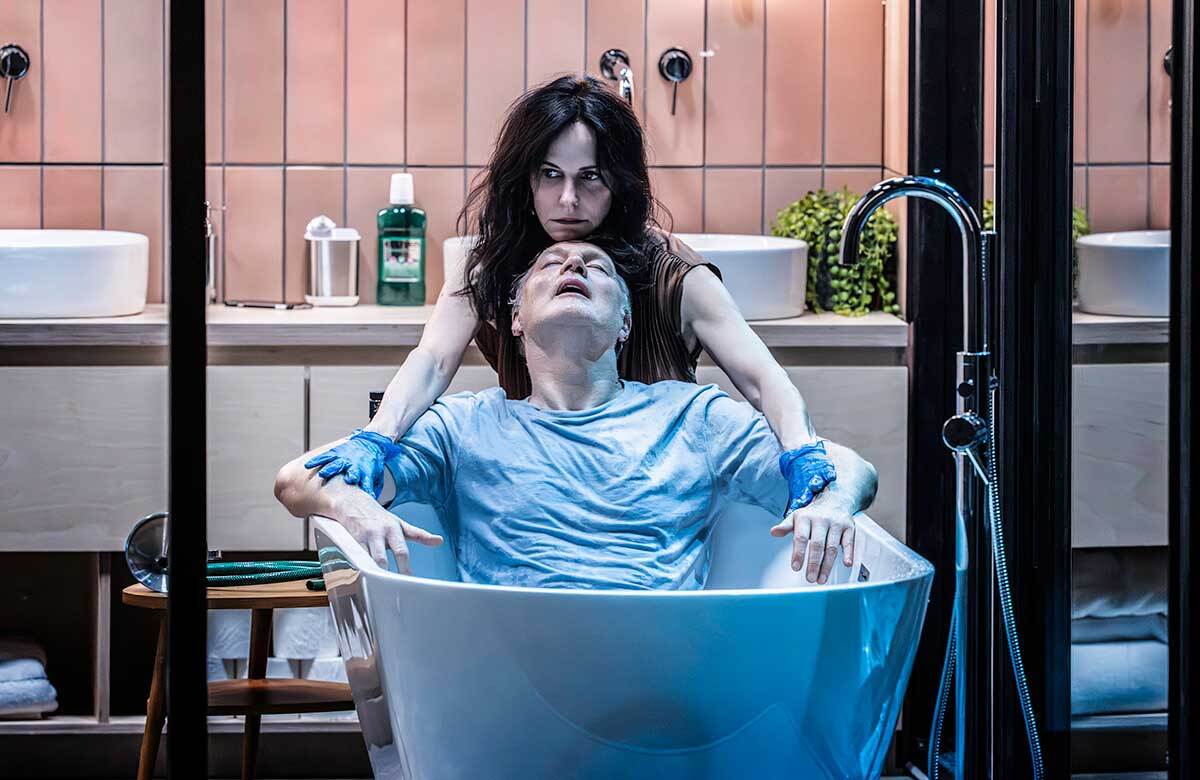
Powerful performances reveal moments of profound emotion in this lumbering modern-day reimagining of Aeschylus’ tragic trilogy



Condensing all three parts of Aeschylus’ powerful play-cycle – Agamemnon, The Libation Bearers and The Eumenides – into a monolithic, modern-day domestic drama, acclaimed Australian writer-director Simon Stone brings his signature style to the timeless story of a family destroyed by an obsessive pursuit of revenge.
Returning to London’s Bridge Theatre after last year’s stylish reinterpretation of Ibsen’s The Lady from the Sea, Stone’s adaptation boils out all of the tale’s grandeur and moral struggle, leaving us with a grubby story of shame and needless killing.
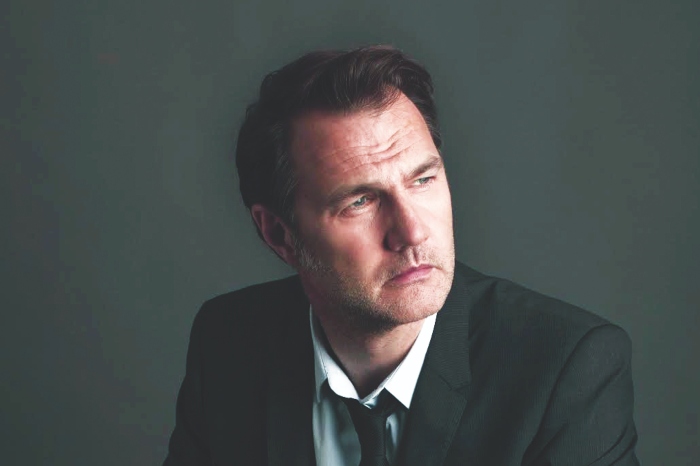
The sprawling, often darkly funny script spends much of the first act establishing the strained dynamics within a stand-in House of Atreus – here clumsily renamed the Middletons. The patriarch of this obnoxious, over-privileged clan is regretful alcoholic Christopher, played with deep weariness and flashes of ferocity by David Morrissey.
Continues...
Read More
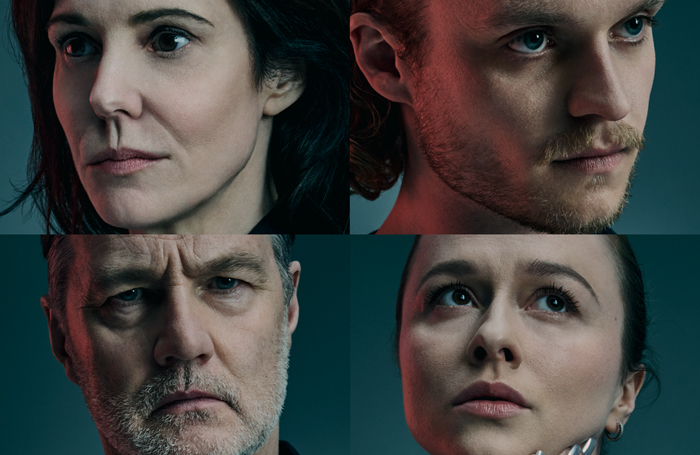
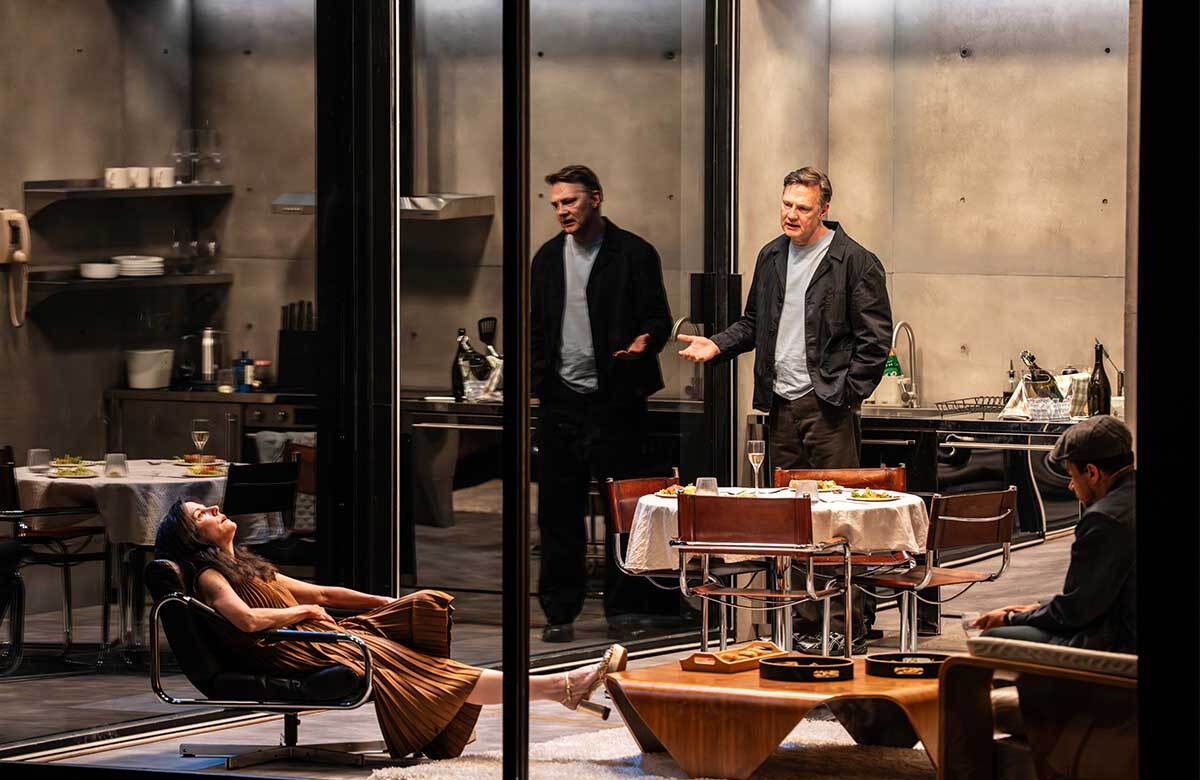
Christopher is alternately harassed by his brutish older brother Melville – Lloyd Hutchinson on suitably snarly form – and sneered at by his loveless wife Montie. Mary-Louise Parker relishes this role, starting off stewing in passive aggression before going fully unhinged, avenging fury mode on a potent cocktail of drugs and unprocessed grief.
Meanwhile, Tom Glynn-Carney’s Augie – this production’s take on tormented son Orestes – is a young soldier implied to be undergoing a psychotic break driven as much by PTSD as his family’s guilt. Glynn-Carney hurls himself through fits of giggling mania, screaming anguish and monotone menace, but for all his energy, the character’s painful journey feels strangely flat, his motivations reductive.
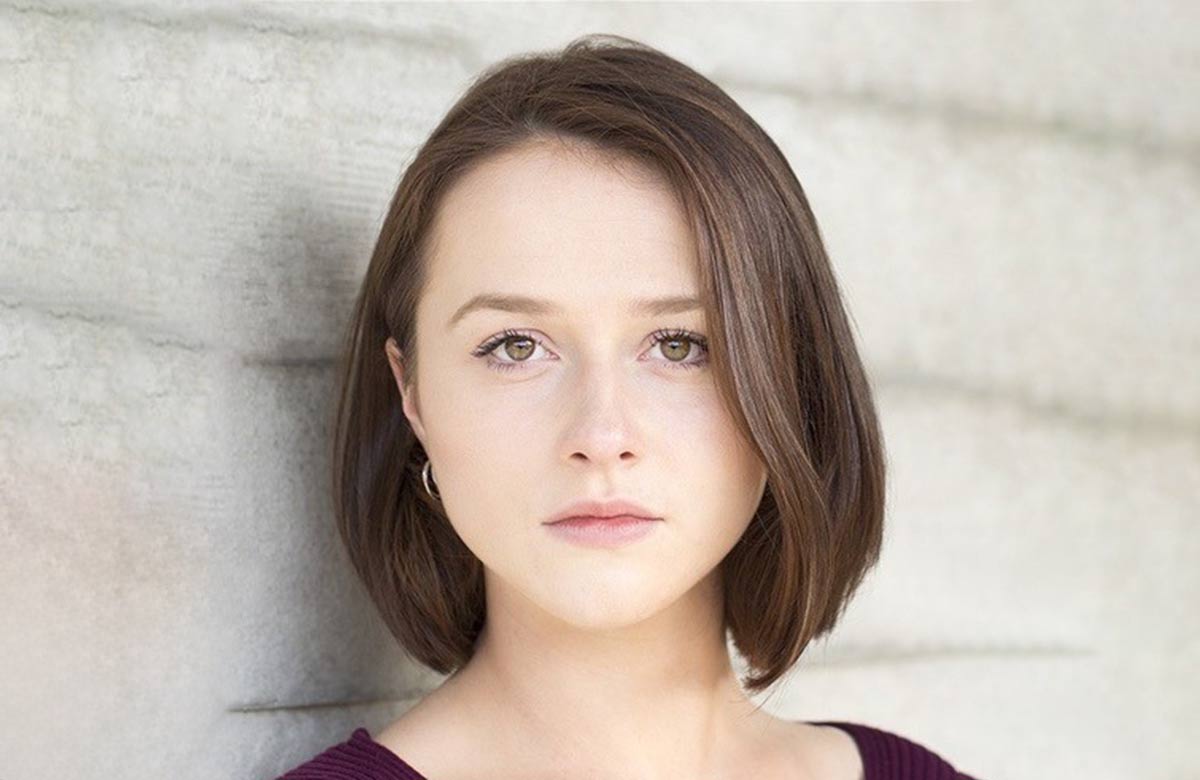
Offering a more nuanced counterpoint, Rosie Sheehy gives a typically intense, impeccable performance, awkward and frustrated as overlooked, socially awkward daughter Alice, with a surly attitude that erupts into anger or wild enthusiasm whenever someone directly acknowledges her. And Rakhee Thakrar is strong as aid worker Chandra, emotionally unravelling even as she pulls at the threads of evidence surrounding a suspicious, supposed suicide.
The entire cast is fully committed, and its characters’ relationships feel meaty and richly drawn, offering unexpected twists on their classical counterparts. But elsewhere the production feels unsteady.
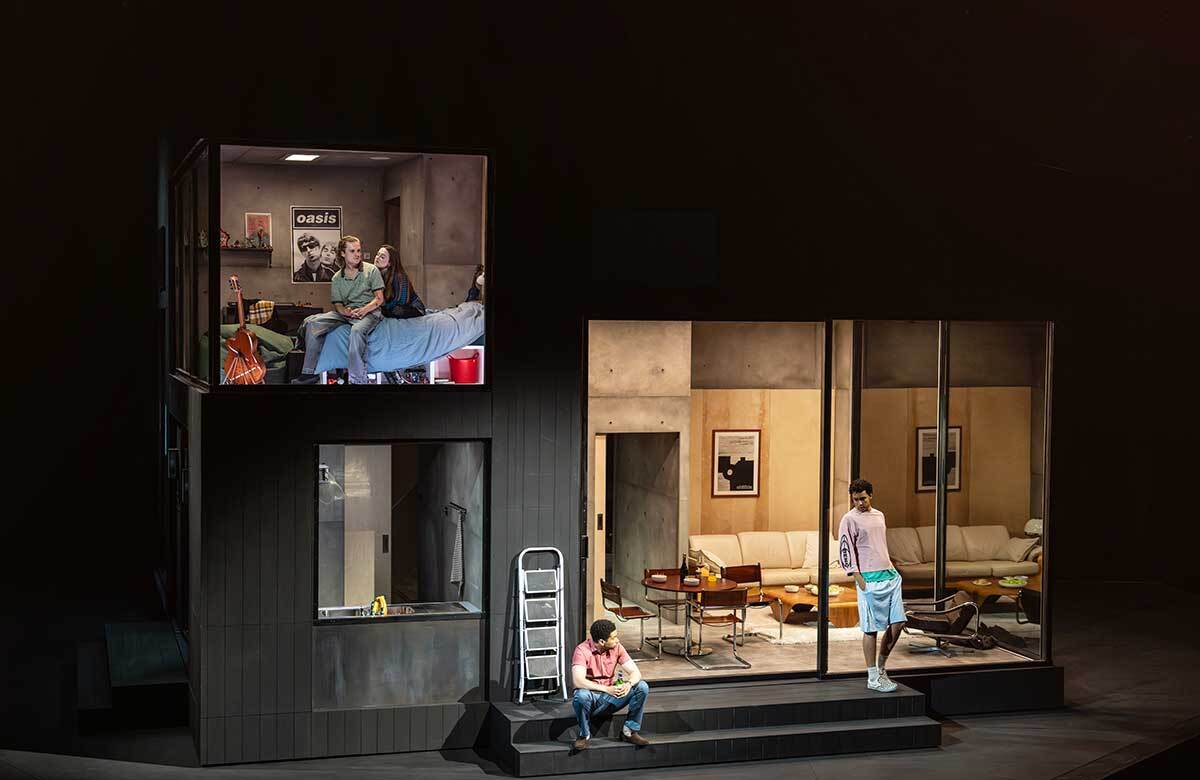
Designer Lizzie Clachan provides an ominous, multi-storey set that traps the characters inside a cube of concrete and glass. It is a sort of brutalist human zoo, where we observe the family’s death-spiral through massive windows and sliding screen doors, distancing us from the action and forcing the actors to wear mics. On press night at least, the result was a distinctly muffled, echoey sound that robbed some performer’s lines of depth and texture. Stone’s commitment to capturing the realistic rhythms of conversation leads to constantly overlapping dialogue and argumentative interruptions that further garble his text.
Despite the undeniable ferocity of the performances, Stone’s unrestrained revenge saga feels strangely bloodless.
For all the latest theatre reviews, sign up to The Stage’s weekly reviews newsletter


Most Read
Across The Stage this weekYour subscription helps ensure our journalism can continue
Invest in The Stage today with a subscription starting at just £7.99

© Copyright Playbook Media Trading Company Limited 2026


